A Loved One Who Died, Back in Their Old Coat
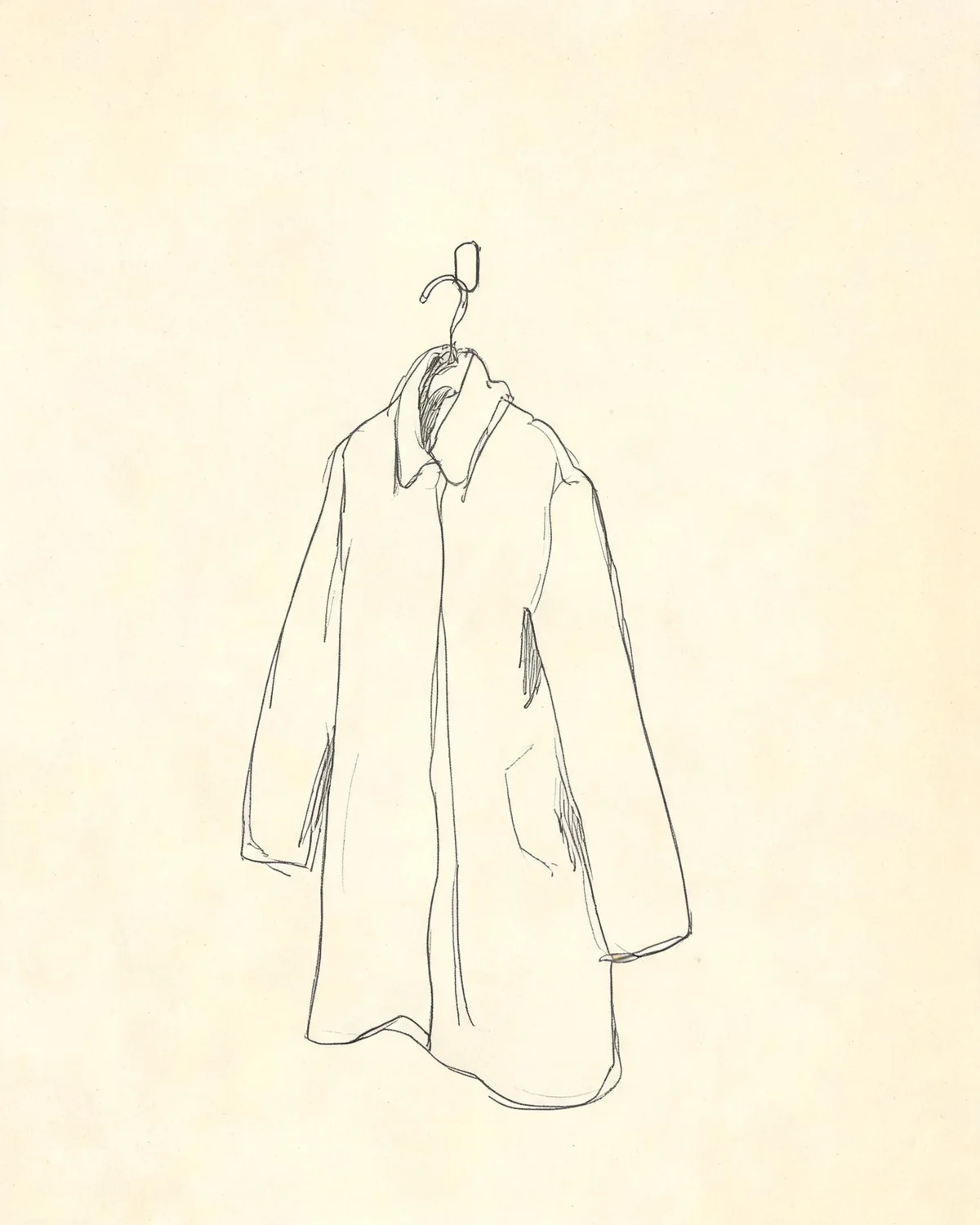
They are in the chair by the window, pouring tea, or standing in the doorway in the coat they wore every day. Nothing in the room is strange, and that is what makes the night so hard to set down. Dreams about dead relatives usually gather a bond that outlasted the funeral: grief still in motion, or a wish to sit with that face again.
On this page
- Key takeaways
- What it means
- Why it shows up now
- How the meaning changes
- How cultures read it
- Are Dreams of Dead Relatives a Visit
- Is Dreaming of a Dead Relative Good or Bad
- Why Dreams of a Dead Relative Keep Returning
- Why Some People Stop Dreaming of the Person They Lost
- What it is not
- Modern research
- Making sense of it
- FAQ
- Related symbols
Key Takeaways
What they did in the room, and how the morning felt, steer the reading. A gentle meeting is not a dispatch from beyond. A painful one is not a blank either.
A few places to begin:
- Usually the dream continues a bond: grief, memory, or a conversation nobody managed to finish.
- Alive and ordinary, speaking, silent: three different meetings.
- Comfort and distress can share one night. The face, the voice, the mood on waking: those set the tone.
- Many people call these dreams a visit, and some traditions read them that way; others see the mind keeping a bond.
- A second death in the dream, or a harsh scene, forecasts nothing about anyone living.
- When grief is heavy, care from a person counts for more than another reading.
What It Means When You Dream of Dead Loved Ones
Dreams about dead relatives usually keep someone in the room a while longer. A funeral does not make the mind file a person away. The cough stays, and the joke, and the exact way they held a cup. All of that gets handed a body for the length of a dream, and the body can come back shockingly accurate.
One reading keeps its eyes on grief itself. After a loss, the strongest feeling goes looking for a picture, and longing, guilt, relief, anger or plain loneliness will all serve. Grief stands in a kitchen, in a hospital corridor, at the foot of the bed. Nobody here is a code to crack. This is the feeling, wearing a face you already trust or already fear.
Another reading stays with the unfinished talk. A decision may be waiting that they would have had a view on: a move, a marriage, a quarrel in the family. The dream sets them down where you can almost ask.
Older dream lore did not read a dream of setting out to meet the dead as proof that you were next, or that the dead had come to fetch you. What such a scene pictured was a separation that had not ended the bond, and the practical question of what that person would have said.
A third reading is company. Relatives gathered at a table, some of them already gone, can sort a present problem in the emotional center of a house. Underneath often sits a small wish: to borrow a grandparent's steadiness, or a sentence of plain sense, while you work out what matters now.
Why This Dream Shows Up Now
A date often opens these dreams, one the body remembers before the calendar catches up. An anniversary, a birthday, the season they died, the first holiday with the chair empty. A smell does the same work: soap, tobacco, a particular soup.
They also arrive when life asks for a view you can no longer collect in person. A new job, a child on the way, a house going up for sale, a feud that would have gone to them for a ruling. You are missing their vote.
A fresh loss can wake an older one. The parent who died years ago returns when a friend dies, because grief recognizes its own furniture. Nothing here is confused about which death is which. It uses the face that already taught you what loss feels like.
Time does not close the scene either. People meet a mother or a father decades on, often at the age that parent was, or just before they parent a child themselves. A threshold in the living gets marked, and the dead serve as the measure.
How the Meaning Changes
The same relative reads differently from one night to the next. How they used their body matters, and so does whether the room felt like home.

They seem alive and ordinary
Coffee gets made, the dog gets scolded, somebody asks what time it is, as if the death had been a misunderstanding. Relief is often the whole point of that scene, and waking corrects it. The correction hurts. Nothing in the night announced that the death was a mistake. It was the bond, allowed to ignore the fact for a moment.
They speak to you
A sentence can be ordinary ("eat something") or oddly specific. Words from the dead were sometimes given weight, on the view that they had reached a place where bluffing no longer helped them. Take them as counsel you already half knew, and leave the orders out. Where the voice was unmistakably theirs, that accuracy belongs to love and memory. It does not have to prove a second world.
They stay silent
They sit. They look at you. No answer comes. That can land worse than an argument, because the unsaid stays unsaid. Silence can picture a relationship that was already quiet, a question you left too late, or grief with no script. You do not have to invent the line they withheld.
A parent who has died
A mother and a father need not feel the same. One who looks well and says goodbye without panic can leave peace behind. One who looks strained, or still disappointed, can bring back a difficulty that death did not tidy.
Older readings sometimes treated a dead mother or father returning to ordinary life as relief from distress. That relief belongs to the scene, not to a ranking of which parent you loved more.
A dream in which a living parent dies is a different scene. It is easy to confuse with this one, and it is usually about change in the relationship, not about a wish for harm. That theme sits on the death page.
They die again in the dream
You attend the funeral a second time, or watch them collapse. What shocks you is often the grief repeating, or the fear of losing them again inside memory. Some older readings treated a second death as news about a living person of the same name. Grief repeating is what the scene holds. It is no forecast about anyone who shares that name, or about anyone you love who is still alive.
You embrace them
A hug is often the detail that survives the morning: warmth, a particular shoulder, arms that close and then fail. Touch can be comfort, or the moment you know you cannot keep them. Either reading can be true.
Several relatives at once
An aunt who died last year sits beside a grandfather who died when you were small. Decades share one kitchen. Who felt closest counts for more than a headcount, and so does whether the room felt like a reunion or a tribunal. A dream like this often looks at the family as a system, at who still organizes the living and whose absence changed the shape of the table.
How Cultures Have Read This Dream
An early Islamic dream tradition watched the dead closely. Someone in clean white or green, smiling, was read as being in a good state. Someone who looked dirty, frowning or in tears was read as troubled, sometimes still tied to a debt or a family duty left undone.
What the dead said about themselves carried weight, on the view that falsehood no longer served them. A gift of food or a cloak, or a hand taking yours, was often read as good news or as something of their life passing on. A dead parent returning to ordinary life was read as relief from fear, with special weight given to a mother. Those readings are not a report you can check.
In older Chinese tradition, dreams of dead parents, spouses and teachers belonged with the care of ancestors. A visit was one of the ways the bond was expected to continue. Buddhist teaching stories describe a son meeting his late father as he looked in life, and learning to hold that face with reverence.
Many people also describe a quieter pattern. A dead relative appears often after a loss, then less and less, until a dream of them becomes rare. Some readers take that fading as an old belief that a dead relative stays near for a while and then goes on. Hold the belief, or hold only the pattern.
Are Dreams of Dead Relatives a Visit?
Many people experience these dreams as a visit. Some traditions read them that way, and others read them as the mind continuing a bond. Such a night can feel unlike the rest. People describe their own bedroom in these dreams, almost no plot, and a person who arrives and speaks. The voice is so particularly theirs that waking feels like company rather than the end of a story.
Some religious and family traditions treat the meeting as a real greeting. Other readers treat it as the mind building a whole person out of memory, at the hour when longing is least defended. A photograph cannot clear its throat. A dream can. This page will not tell you which account is true.
What you can use, either way, is narrower. What did they say? Did you wake steadied, or more lonely? Is there one kindness in their sentence you could offer a living person this week? What comes out harsh and chaotic is a weak fit for the reassuring visit mourners usually describe. It belongs with grief and fear, not with a claim that someone came to frighten you.
Is Dreaming of a Dead Relative Good or Bad?
It is not fixed as either. A dream that leaves you warm and somehow less alone is not bad news in a kind face. A dream that leaves you shaken is not a punishment either. Sorting these nights into lucky and unlucky misses what they are usually for.
Older readings did watch the surface. Ease, cleanliness and a smile were taken more gently than dirt, tears, or a body that looked wrong. A bright figure often goes with relief, a distressed one with unfinished pain, and the morning feeling is a clearer clue than any label hung on the symbol.
Good, here, might mean you got to be with them. Bad might mean the loss was rubbed raw again. Both can be signs of love. Numbness is a mood of grief as well, not a verdict that the bond failed. If you are hunting a forecast about the living, set that hunt down. The scene is about the relationship.
Why Dreams of a Dead Relative Keep Returning
A dream that comes back is usually a concern that has not finished with you. It might be the loss itself, a role you inherited, or a sentence you still rehearse in the car. Repetition is not proof that harm is approaching. It shows the material is still active.
One kitchen and one closed door, night after night, can mean you are paused at a single stuck point. A scene that travels, from a bedside to a house to a road, can mean the feeling is moving with your life. Neither pattern carries a deadline.
Failing to let go is the fear people usually bring to a recurring dream. Grief does not run on that slogan. The dead can stay in dreams for a long stretch and then thin out. If the dream is exhausting you, the question worth carrying is which part of the week still feels like their absence, and whether one conversation with the living would make the next month less lonely.
Why Some People Stop Dreaming of the Person They Lost
The absence of the dream is its own grief. People wait for a meeting that never comes, and the wait reads as rejection: they loved less, or they have been left. Those conclusions are heavier than the evidence.
Dreams tend to follow what is emotionally urgent. Numb grief, grief crowded out by work, grief held at arm's length: the picture may not form. Some people meet the person once and never again. Some never meet them in sleep and still grieve with their whole life. Love is not measured by whether a face appears after midnight.
A death you did not see can change the dream. So can a relationship that was already tangled. The mind may refuse the image because the last pictures were too hard, or because there were too few to draw from. If the wish for the dream hurts, you are allowed to say so. Wanting one more ordinary hour is a human want, and no spiritual failure.
What This Dream Is Not
Dreams of death are not a prediction of anyone's death; they are usually read as images of change or endings. A relative who dies again in your dream is no bulletin about a living namesake. A calm visit is not proof that you will be reunited on a schedule. A frightening visit is not proof that they are suffering, or that you failed them.
If you are grieving, support is available; this reading is not a substitute for care. The dream is not a clinical label for your mind, and nothing in it is evidence that you wished the person gone. That suspicion belongs to a different dream, the one in which someone still alive dies, and even there it is a poor reading.
This page does not decide whether a spirit world is real. You can hold a visit, a work of memory, or neither. A tender night, or a terrible one, is not a fact about the year ahead.
Modern Dream Research
Read the pattern one way and a dream pictures whichever feeling has the strongest claim on you. After a loss that feeling is often grief, and along with it guilt, relief, or anger that has nowhere polite to go. What arrives is rarely a flat photograph. You get the person, thickened by what you carry now: a new child, an old argument, the age you have reached.
Face, timing and a phrase arrive together in sleep, which is why the meeting can cut deeper than a weekday memory. Intensity like that can matter deeply and still be the mind at work. A spiritual account and a psychological account can both take it seriously.
Most of these scenes are not chases. Conversation, a table, a goodbye: what runs through them is usually attachment. Where fear takes over, it is the fear inside grief, not a report about the family.
Making Sense of It for Yourself
Start with the action, rather than the bare fact that they turned up. Feeding someone, leaving, waiting, watching you from a chair: which one happened? Then ask what you would have wanted their view on, this actual week. The answer is often embarrassingly specific: a phone call you are avoiding, a kindness you meant to copy from them, a resentment you have been polishing.
Put the sentence you did not get to say on paper, whether they spoke in the dream or not. The paper does not have to go anywhere. Then choose one small act with a living person: a call, a meal, an apology one sentence long. A kind dream can be left to stand, without a doctrine built around it.
If grief has been crushing you for a long time, a grief counselor, or a person you trust, can sit with you in a way no symbol page can. Asking is not a dramatic step. It is an ordinary one, and it stays available whether the dream returns or not.
FAQ
What do dreams about dead relatives usually mean?
Dreams about dead relatives usually carry a bond forward. Grief still moving, a face you want near, talk that never finished. Their behavior in the room and your mood at waking tell you more than any fixed message.
What if my dead mother looked younger or well?
A mother who looks younger or well tends to leave the night gentler. Older readings took brightness as a picture of peace, and many people wake steadied. What you saw is a mood, not a report on her condition.
What if they looked unwell or unlike themselves?
A face that looked unwell or unfamiliar can feel like trouble that never settled, or like grief with no calm shape. It tells you nothing about where they are. Stay with whatever the distress touched in you.
What if I woke up crying?
Crying on waking usually means the feeling was real, even when the scene was kind. Tears can be relief, or love with nowhere left to go. If it will not ease, tell someone who can stay.
Should I tell my family about the dream?
Telling your family can help when the story would comfort someone, or when you want company with it. You owe nobody the dream. Pick a person who will not turn the meeting into news.
What if the dream was set in our old kitchen?
An old kitchen puts the meeting inside ordinary family life, among food and talk and the table they ate at. A present question may be getting sorted with the feeling of their company. The company at the table counts for more than the address.
Can the dream be about a relative I barely knew?
Yes. A grandparent known only from photographs can still carry a family style, an inherited story, or a gap where someone should have stood. What gets examined may be the shape of the family rather than a private history you lack.
What if they gave me something?
Whatever they gave you, food or a coat or a small object, was often read as good news, or as a skill or manner passing to you. Take it as an image of what you still receive, not as a promise of money.
How is this different from dreaming that someone living has died?
This page is about people already gone. A dream that someone still living dies is a different scene, usually fear of loss or a change in the bond, and it belongs with death. Neither scene is a forecast.
What if the dream left me afraid to sleep again?
Being afraid of the next night means the feeling was too large for one sleep. A light on and a person you trust will help more than another interpretation. If the fear stays, seek care.