A Full Moon Hangs in the Sky
A moon in a dream offers light without heat. It is bright enough to see by, yet it never shows everything clearly, and the partial view has its own meaning. The moon often appears when you are between roles, with change in the air but no clear view of the whole shape yet.
What It Means When You Dream of the Moon
The moon is the oldest visible way to measure time. It waxes and wanes, vanishes and returns, and that cycle makes it a natural image of gradual change rather than sudden change. In a dream, the moon often mirrors a process you are inside rather than a single event.
A second reading is reflection. Moonlight is borrowed light, and the moon shows the sun's brightness indirectly. That can picture self-knowledge that arrives by watching your own reactions rather than by direct insight. It can also suggest a mood that colors everything without being obvious in the moment.
A third reading is hiddenness. The moon has a far side that never faces the earth, and in dreams it often stands for what is present but not visible. A moon dream may be asking you to notice a quiet feeling that has been shaping your days from behind the scenes.
Why This Dream Shows Up Now
Moon dreams tend to appear during transitions. A relationship changing shape, a job ending, a season of waiting or a slow recovery can all bring the moon into the dream, because it is an image of time moving through phases.
They also surface when sleep itself has become uneven. Waking in the night, vivid dreams and a sense of being alert at odd hours can all surround a moon dream. The dream may simply be registering the rhythm of your rest.
Sometimes the trigger is a question about what is hidden. If you have been keeping a feeling out of view, the moon may appear as a gentle signal that the feeling is still there. The dream does not demand disclosure; it asks for attention. It may be less about the sky than about the pace at which you are willing to let change arrive.
How the Meaning Changes
The phase, the brightness and the setting of the moon all shift the reading.
A full moon
A full moon is the clearest version. It can picture completion, visibility and a moment when something can no longer be ignored. The dream may feel calm or exposed, and the difference usually matches how ready you are to be seen.
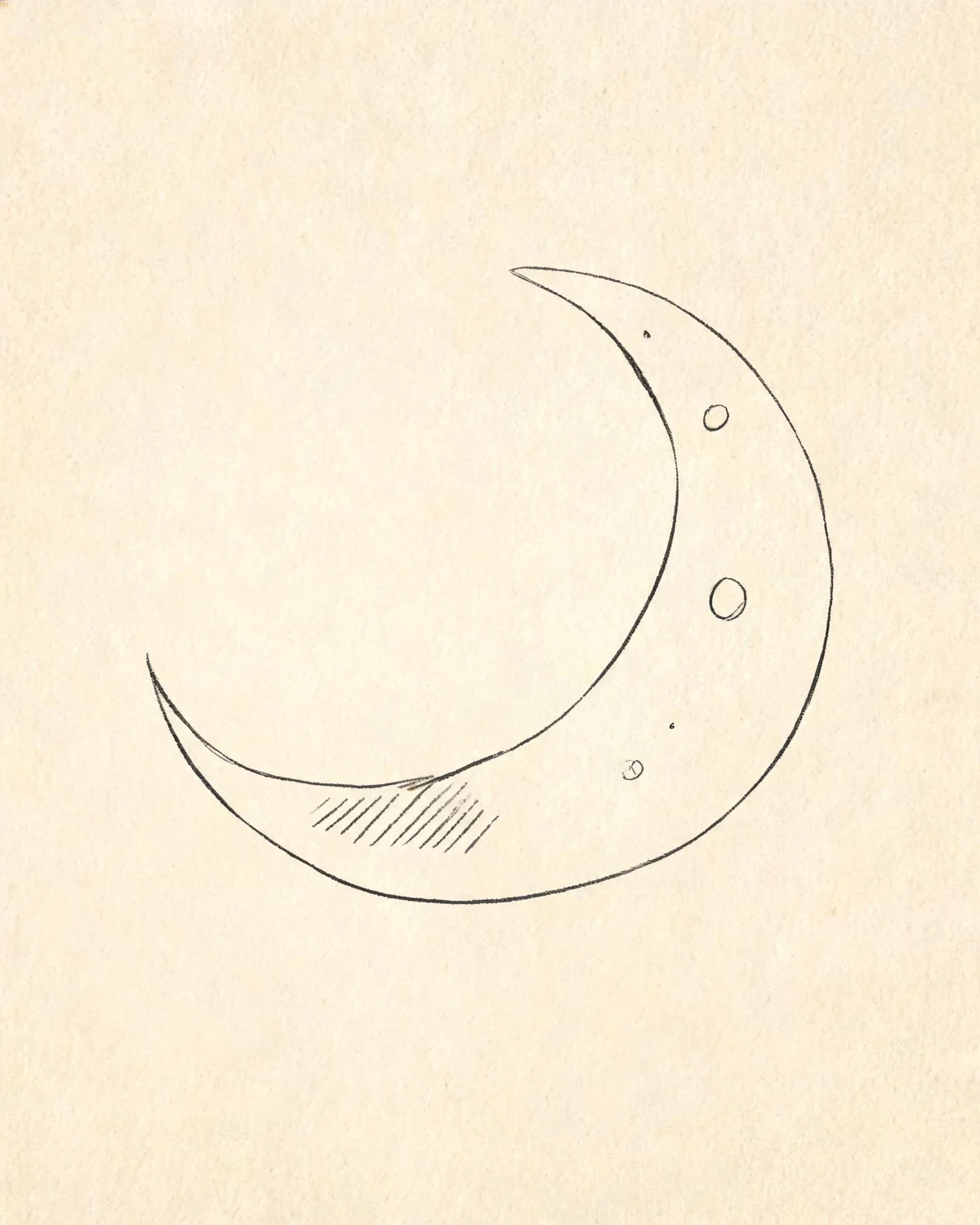
A crescent or new moon
A crescent keeps the theme of beginning. Something is present but not yet filled out, and the dream may be pointing to a process that needs patience. A new moon can feel like a quiet start rather than a dramatic one.
A moon in daylight
A moon visible in the daytime is a small contradiction, and it often pictures two realities sharing the same sky. You may be holding a private feeling while going about a public day, or noticing something that others are not looking at.
A moon that disappears
A moon that fades or goes dark can picture an interruption in a cycle. The light is not gone forever, but it is temporarily unavailable, and the dream may be asking how you cope when a familiar source of clarity is out of view.
How Cultures Have Read This Dream
The moon appears in the imagery of many traditions as a timekeeper, a companion of the night and a symbol of cycles. Its phases have been used to mark seasons and festivals, and its borrowed light has long been associated with reflection rather than direct revelation.
In traditional dream interpretation from several traditions, the moon can stand for a person of standing, for change, or for something seen only in part. The readings vary, and the shared thread is a rhythm that cannot be rushed.
Making Sense of It for Yourself
A moon dream is an invitation to notice what phase you are in.
- Recall the phase of the moon in the dream. Full, crescent, new and dark all suggest different stages of a process.
- Notice the light. Bright moonlight can feel clarifying; dim light can match a feeling of guessing your way forward.
- Ask what you have been keeping out of view. The moon's hidden side is often the part of the dream that matters most.
One small action is enough: name the phase you think you are in, then name what the next small step of that phase would be. Not the whole journey; the next step.
Religious and cultural readings
Islamic and Christian dream interpretation each have their own reading of this image.
FAQ
What does it mean to dream about the moon?
It usually points to change, reflection and hidden feeling. The moon's phase in the dream often suggests where you are in a process, and how clearly you can see the next step.
What does a full moon mean in a dream?
A full moon often pictures visibility and completion. It can feel calm or exposing, depending on how ready you are to have something seen, and both reactions are worth noticing.
What does a crescent moon mean in a dream?
A crescent keeps the theme of beginning. It suggests something present but not yet filled out, and it often accompanies a process that needs patience rather than force.
What does it mean to see the moon in daylight?
A daytime moon can picture two realities sharing one sky, such as a private feeling carried through a public day. It may also suggest a quiet awareness that others have not noticed yet.
Is a moon dream a message about the future?
No. Moon imagery is better read as an invitation to notice where you are in a cycle, not as a guide to coming events. The phase you saw is most useful as a description of the present, and of what has been moving slowly out of view.