An Afterlife Dream Through a Christian Lens: Memory, Hope and What Is Not Known
An afterlife dream can feel unusually vivid. In the Christian tradition such a dream is usually read as a picture of memory, hope or longing rather than as a report from another world. This page keeps the reading careful: it does not claim to know what happens after death, and it does not treat the dream as evidence for any religious verdict.
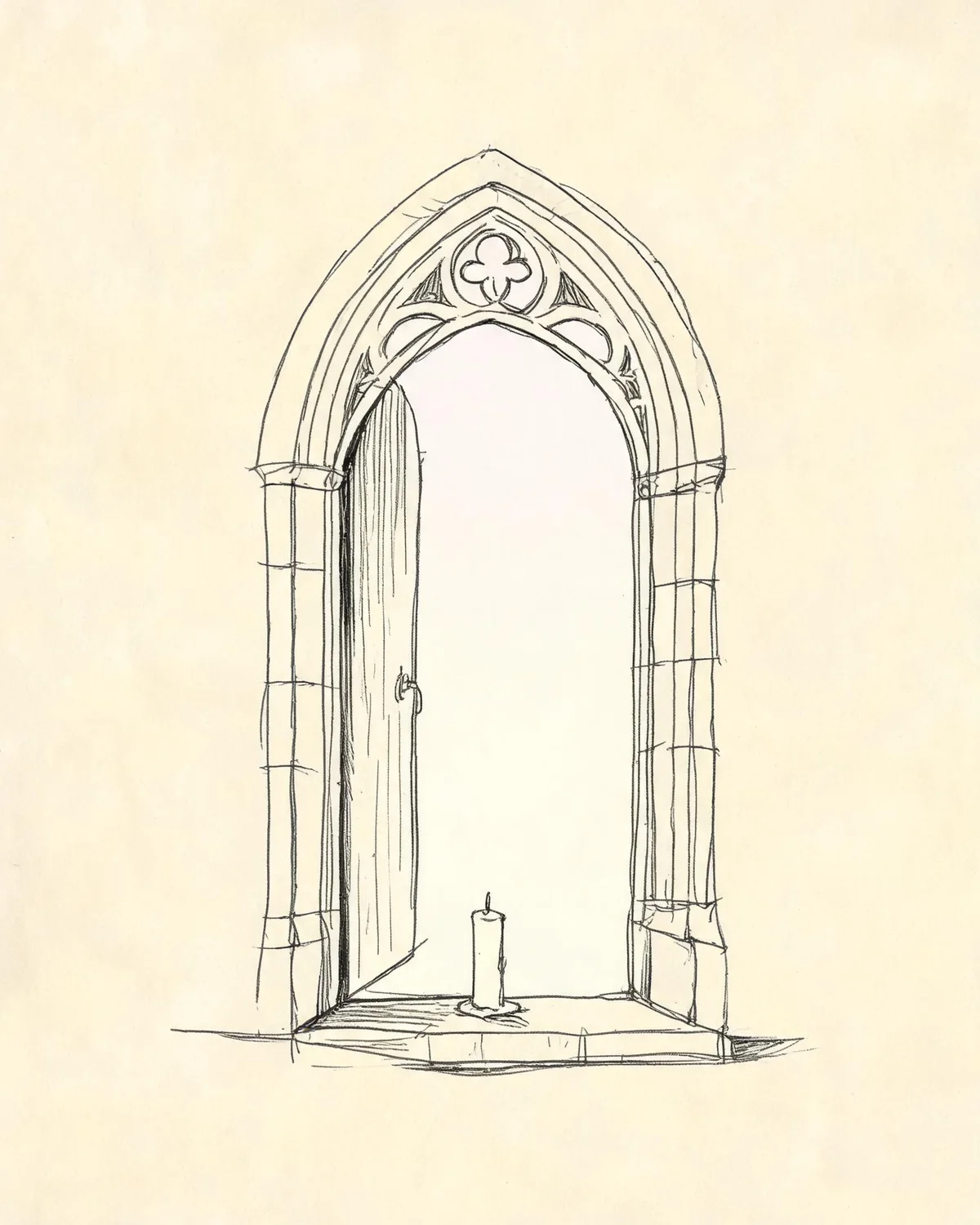
What It Means When You Dream of the Afterlife
The afterlife in a dream is rarely a literal map. It is more often a scene of continuity: a familiar place, a person who has died, a light or a threshold. The image can picture the wish that love and memory continue, and it can hold grief.
A peaceful landscape can picture consolation, while a reunion can picture the wish to be with someone again. Neither scene is evidence about what follows death. They show what you are holding, and the feeling is the first clue to what the image is doing.
A third reading is unfinished business. An afterlife dream may bring a conversation, an apology or a question that was never settled. The dream gives that material a shape, and the shape can be useful.
Why This Dream Shows Up Now
Afterlife dreams often surface around grief, anniversaries or funerals. They can also arrive during a change of health, a family decision or a period of urgent questions.
The image can also belong to ordinary hope. A person starting a new chapter may dream of continuity, and a person facing loss may dream of a place where nothing is missing. These are pictures of need, not predictions about events.
How the Meaning Changes
The scene and the feeling change the reading from consolation to question.
A peaceful place
A peaceful place can picture rest, safety or a wish for relief. The dream may show a garden, a shore or a bright room with no clear location. The feeling of calm matters more than the scenery.
A reunion
A reunion can picture memory, love and the wish to be with someone again. The dream may show a person who has died, a conversation that was never finished or a silence that feels kind. The image is a picture of relationship.
A threshold
A threshold can picture a transition that is not yet complete. The dream may show a door, a bridge or a path that begins but does not end. The image can hold hope and uncertainty at the same time, and it does not claim to know what lies beyond.
How Christian Tradition Reads This Dream
The Christian tradition holds hope for what lies beyond death, but it is cautious about turning a dream into a report. A dream of an afterlife can be read as a picture of longing, memory or consolation, and it can be placed beside the tradition's language of promise without being treated as proof of it.
Some readings emphasize comfort: the dream may show you that grief is being held and that love is not forgotten. Others emphasize humility: the image is a symbol, not a map, and the tradition does not ask a person to settle what cannot be settled. A third emphasis is hope, where the dream gives a shape to the wish that what is good will continue.
The page does not claim one tradition is correct and does not predict death or judgment. It treats the image as a place to bring grief, hope and questions, not a verdict about anyone's fate.
Making Sense of It for Yourself
What the dream stirred comes first. Ask whether it brought comfort, fear, relief or longing, and note who was present. Then ask what you need now: a conversation, a ritual, rest or company. The image can be honored without deciding what it proves.
One practical step is to name one memory that deserves care and one person who can hear it. Keep the reading provisional, and seek support if the dream leaves lasting distress. It is a picture of what you are carrying, not a report about death or the future.
FAQ
Does an afterlife dream mean someone will die?
It is not a prediction about death. It may reflect grief, memory or hope, and it does not tell you what will happen to anyone.
Is it a message from someone who has died?
The Christian tradition does not treat a dream as proof of a message from the dead. It can hold memory and love, but the image is symbolic.
Does it show heaven or hell?
It is not a map of an afterlife and does not decide anyone's fate. It can picture hope, fear or longing.
Is it wrong to have an afterlife dream?
It is not a moral verdict. It can be a place to meet grief or hope.
How should I use an afterlife dream?
Name the feeling, the person and the memory it touched. Let the image support grief or hope without treating it as evidence, and seek support if the dream is distressing.