Beans in Christian Dream Interpretation
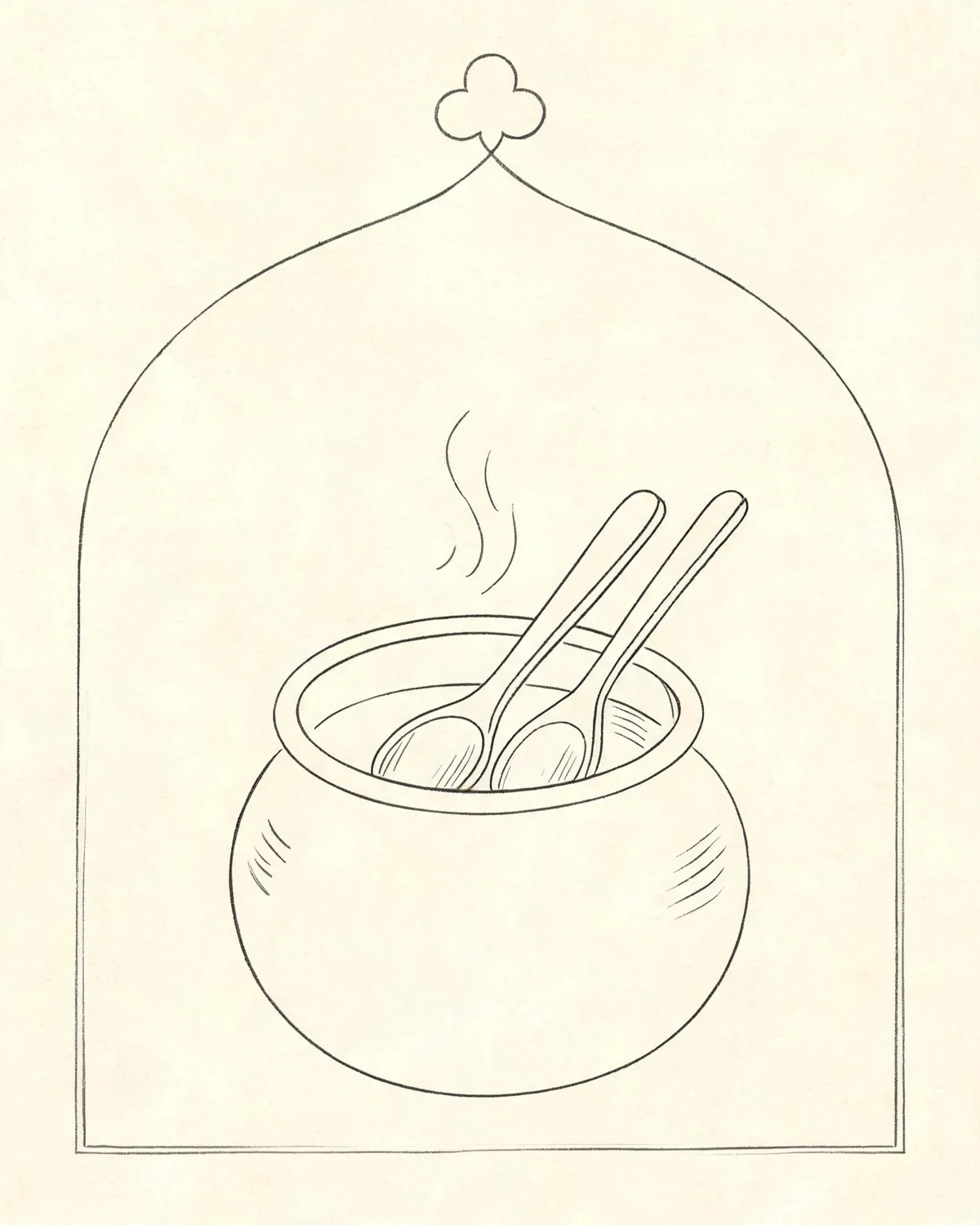
A pot of beans simmers at the back of the stove, the kind of supper you make when money is short and the house is full. Christian readings of the image start from that plainness and put three questions to it: what you would trade the bowl for, what it says about your appetite, and what a single seed might yet grow into.
On this page
- Key takeaways
- What a Bean Dream Means in Christian Dream Interpretation
- How Christian Dream Interpretation Reads Dreams
- Core Principles
- How the meaning changes
- Common Symbols Paired with Beans
- How This Tradition Differs from Others
- What Is the Biblical Meaning of Eating Beans in a Dream
- What Do Red or White Beans Mean in a Christian Dream
- What it is not
- FAQ
- How to Use These Readings Today
- Related symbols

Key Takeaways
- In Christian imagery beans belong to the plain table, where a simple dish shared in love outranks a rich feast eaten in bitterness.
- The best-known bowl of stew in scripture is a test of character: a lasting inheritance traded for one hungry evening.
- As seeds, beans carry the biblical sense of small beginnings with large potential.
- Choosing plain food over a king's table was linked with clear sight and the gift of understanding dreams.
- Christian dream reading weighs the body too, since a full or empty stomach was named among the causes of dreams.
- Harvest and storage turn the bean toward provision received with gratitude and kept against hard seasons.
What a Bean Dream Means in Christian Dream Interpretation
The first reading is contentment. Biblical imagery keeps returning to the idea that a modest dish eaten among people who love each other is better than a fattened ox served with hatred. Beans are exactly that modest dish. When they appear in a dream, the question is usually about the company and spirit at the table.
The second reading is appetite and character. The most famous stew in scripture is the red lentil pottage Esau took from his brother in exchange for his birthright. The meal itself was nothing special, humble and filling, and that is what gives the story its force: something of lasting worth was handed over for a moment's hunger. A bean dream can echo that choice, setting what you want tonight against what you would keep for years.
The third reading is the seed. A bean is a seed you can eat, and in biblical imagery seed is a small investment with large potential, valued as both food and future crop. The smallness matters; the tiniest seed in the parables becomes a tree where birds nest. A bean in the hand can picture a beginning that looks far too small to count.
The fourth reading is discipline. Daniel and his companions refused the royal menu and asked for plain vegetables, and early Christian writers noted that these young men, content with pulse, received an unusual gift for understanding dreams. Plain food, in this strand, keeps its link with clarity.
How Christian Dream Interpretation Reads Dreams
The Christian tradition reads dreams by discernment. An image is held up, weighed against scripture, conscience and the counsel of others, and judged over time by what it produces in a life. Interpretations are offered tentatively and tested against later dreams and events, which suits an ordinary image like beans very well.
Food dreams get particular attention because the body is so plainly involved. An influential early list of dream causes begins with the fullness or emptiness of the stomach and moves on to the day's thoughts and worries before reaching anything spiritual. So the first honest question about a bean dream is practical: did you go to bed hungry, full, or fasting? Only after that does a Christian reader ask what the image might be saying about trust, generosity or self-control.
Christian writers also argued about beans directly. An ancient philosophical school had banned them, claiming they disturbed sleep, and an early Christian author separated what he called superstition from sensible opinion about diet before turning to Daniel's companions as a better example. A later commentator dismissed the old ban on beans as nonsense. The tradition, in other words, let the bean be food, and looked for meaning in how it is chosen, shared and received.
Core Principles
The body belongs in the reading. Fullness, hunger and fasting were named among the ordinary causes of dreams. Before reading a bowl of beans spiritually, take stock of your evening meal, your budget and your sleep. An ordinary cause does not make the dream meaningless; it simply puts it in the right place.
Plain is not poor. Biblical imagery prizes the simple table set with love over the lavish one set with strife. A dream full of beans may be pointing toward sufficiency, the sense of having enough. If the beans felt like a comedown in the dream, it may be worth asking where you have learned to see enough as failure.
Small things carry weight. A seed is valued as both product and producer. In a bean dream, size is rarely the point. A handful can stand for a beginning, an act of faith or a small kindness whose yield depends on where it lands.
Appetite reveals priorities. The stew that cost an inheritance shows how quickly hunger can rearrange what you value. When beans appear alongside a trade, a rush or a bargain, the dream may be asking what you are tempted to give up for immediate comfort.
What Changes the Reading of Beans
The setting around the beans, and what you are doing with them, decides which of these readings comes forward.

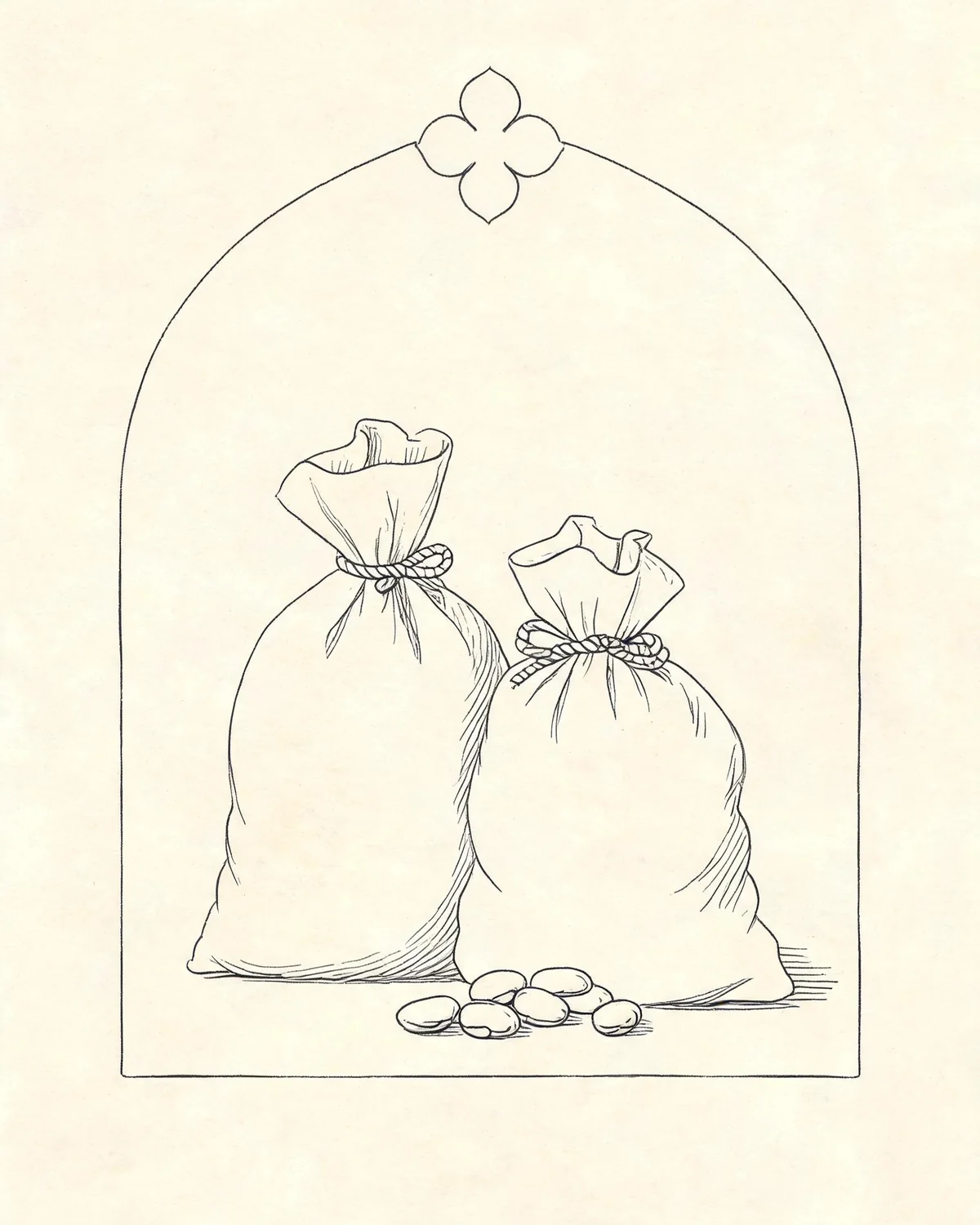
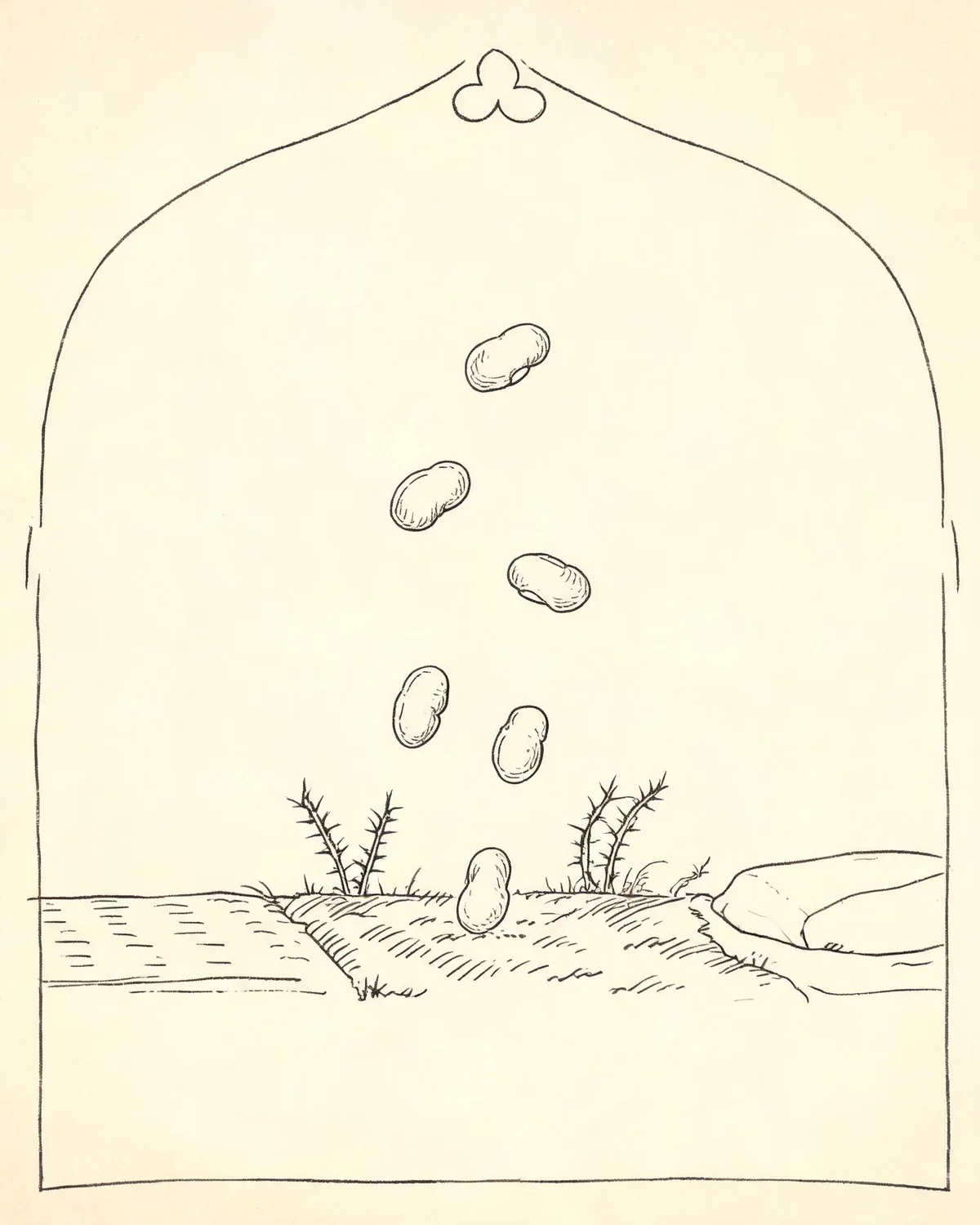
Trading something valuable for a bowl of beans
You hand over a ring, a key or a document and receive a steaming bowl in return. This is the Esau scene in miniature, a lasting good swapped for a quick meal. It may picture a shortcut you are considering, or one you regret. Notice how hungry you felt in the dream; urgency is often the real subject.
Choosing plain beans over a rich table
A banquet is laid out, yet you ask for a simple dish of beans instead, and no one at the table quite understands why. The scene echoes the young men in Daniel's story who turned down the royal menu. The dream may reflect a wish to simplify, step back from excess, or keep your integrity in a setting that expects you to bend.
Planting a single bean
You press one bean into the soil and cover it over. Biblical seed imagery treats this as a small investment whose yield depends on its ground. The dream may picture a first step, a prayer, a conversation or an idea, and invite patience. What kind of soil you chose, rich, stony or crowded with weeds, says a lot.
Gathering beans at harvest
Baskets fill as you strip ripe pods from the vines. Harvest in biblical imagery is the great picture of abundance and of reward for labor, and it was bound up with gratitude and festival. A dream of picking beans may mark a season where earlier work is finally paying off, and quietly ask who you will share it with.
A pot of beans that has gone bad
The stew smells wrong or tastes sour. One of the lesser-known prophet stories tells of a famine-time stew that went bad and was made wholesome again for hungry people. A spoiled pot in a dream may point to something shared that has turned, a household routine or a joint plan, and to the hope that it can still be put right.
Beans stored through a lean season
You open a cellar or cupboard and find sacks of dried beans set aside. In biblical imagery seed was kept back in famine, both to eat and to plant later, and stored seed spoiled by damp became a picture of ruin. Dry, well-kept beans suggest foresight; damp or mouldy stores suggest provision that has been neglected.
Scattering beans across different ground
You throw a handful of beans and watch them land on a path, on rock, among thorns and in good soil. The parable of the sower lies behind this scene: the same seed thrives or fails depending on where it falls. The dream may concern effort spread across several commitments, and which of them is actually able to grow.
Common Symbols Paired with Beans
Beans and bread. Bread is the staple of the biblical table and very often a gift of hospitality, so much so that travellers could expect it to be offered. Bread is also the food over which thanks is given, so even a plain meal arrives as something received. Bread and beans together in a dream often turn on giving and receiving: who is feeding whom, and on what terms.
Beans at a crowded table. Where you sit at a biblical table signals your standing, and the banquet can be a picture of welcome or of excess. A simple pot of beans set in the middle of a full table recalls the proverb that ranks a plain meal with love above a lavish one with strife. Pay attention to who is seated and who is left standing.
Beans in a garden. The garden is one of scripture's richest images: cultivated, watered and tended, a place of both nourishment and sacred space. Beans climbing a garden frame bring the seed imagery home, linking your daily care with what you will eventually eat.
A bean hidden in a cake. Christmas custom across Europe baked a single bean into a festive cake, and whoever found it ruled the evening as King of the Bean during the Twelve Days. Finding that bean in a dream suggests an unexpected turn, a temporary role you did not seek, or a reminder not to take a borrowed crown too seriously.
How This Tradition Differs from Others
Islamic dream interpreters send the reader from beans to the lupine, then read the green plant as hard-won livelihood and the boiled bean as medicine or quick earnings. The emphasis there falls on work and its reward, while the Christian reading stays with character and appetite.
Greek dream interpretation was far less friendly. Its best-known manual called nearly all pulses unlucky, read lentils as mourning, and saw quarrels in beans, partly for the wind they cause and partly because temples and festivals shut them out. Some ancient philosophers refused beans entirely, believing they held the souls of the dead, which is the very ban later Christian writers would dismiss.
Later Jewish purity rules used the bean in a different way again, as a measure of smallness: even a bean's string caught between the teeth was said to spoil a complete ritual immersion. In Japan, roasted beans were scattered through the house at the start of spring to drive out misfortune.
The Christian tradition sits closer to the kitchen than any of these. It inherited the old suspicion of beans, set the taboo aside, and kept the image for questions about contentment, appetite, generosity and growth. Its one festive use, the bean in the Christmas cake, is entirely playful, with nothing sacred attached. Each tradition looks at the same seed and asks something different of it.

What Is the Biblical Meaning of Eating Beans in a Dream?
Eating is where Christian food imagery becomes most personal. Hunger and thirst in scripture are steady figures for spiritual longing, and the whole story of creation can be read as presenting human beings as hungry creatures who depend daily on a provider. Eating beans in a dream can therefore picture being fed in a plain, reliable way, sustained and not feasted.
How you eat matters as much as what you eat. Esau's request is remembered for its crudeness, a demand to gulp down the red stuff at once. Wolfing beans in a dream may point to a need you are trying to satisfy too quickly, while eating slowly, with thanks, leans toward contentment and gratitude for enough.
Company changes the meal. Bread and other food in biblical imagery are so often gifts of hospitality that a shared bowl of beans can picture welcome, reconciliation or an open door. Eating alone, in a hurry or in secret turns the reading inward toward private appetite. If you were fasting in waking life, a dream of eating beans may simply show how present the body's need has been.
What Do Red or White Beans Mean in a Christian Dream?
Biblical colors are not a code in which red always means one thing and white another. They gather meaning from nature and repeated use, so any color reading for beans should stay light.
Red carries the strongest link. The stew Esau wanted so badly was red, and his nickname came from it, so red beans or a red bean stew in a dream readily recall that story of appetite outrunning judgment. Red in biblical imagery is also the color of blood and sacrifice, and scarlet became an image of wrongdoing. A pot of red beans may be asking what you are hungry for and what it might cost.
White points the other way. In scripture it belongs to snow, wool, heavenly garments and a purity that replaces darkness, and the famous contrast between scarlet and white describes guilt becoming clean through forgiveness. White beans in a dream may lean toward a fresh start, simplicity or a conscience that feels clear. If both colors appear together, the dream may be holding that contrast between appetite and renewal side by side.

What This Dream Is Not
A dream of beans is not a forecast of hardship or plenty. A full sack is no promise of a good year, and an empty bowl is no sign that your household is heading toward want.
It is not an accusation either. The Esau story can sharpen a question about priorities, but it is not a judgment on your character or your faith, and Christian discernment does not treat a single image as a verdict on a person. Nor does a spoiled pot in a dream mean that something in your home has been spoiled for good.
Nor is it dietary or medical guidance. The old debates about beans and sleep belong to history; if you have real concerns about eating, weight or rest, those belong with a qualified professional.
FAQ
What do beans mean spiritually in a dream?
Spiritually, beans tend to stand for plain provision, contentment and small beginnings. Christian imagery adds a note about appetite: what you crave and what you would give up for it. The setting and your mood decide which strand is strongest.
Is it good to dream about beans as a Christian?
It can be encouraging. Beans often point toward enough rather than excess, toward growth from small seeds and toward a shared table. A dream that feels uneasy is better treated as a question about priorities than as a bad sign.
What does buying beans mean in a dream?
Buying beans places provision in your own hands. It can reflect budgeting, planning for leaner weeks or choosing simplicity on purpose. Notice whether the price felt fair and whether you were buying for yourself alone or for a household.
What does a bag of beans mean in a dream?
A bag of beans you are carrying is provision on the move. It may picture a gift you are delivering, blessings you are counting, or a responsibility that weighs on you. A full, sturdy bag feels different from one torn and leaking onto the road.
What does a bean cake mean in a dream?
Christian tradition has no fixed reading for fried bean cakes. Treat them like any shared, prepared food: a sign of effort and hospitality. Ask who made them, who offered them to you, and whether accepting felt like welcome or obligation.
What does cooking beans mean in a dream?
Dried beans need soaking and long, gentle heat, so cooking them pictures patience. The dream may concern something that cannot be hurried, a relationship, a recovery or a project, and ask whether you are willing to let it take the time it needs.
What do green beans mean in a dream?
Fresh green beans are picked young and eaten soon, so they lean toward freshness, new beginnings and things that will not keep. They may point to an opportunity that is best taken now rather than stored away for later.
Why do I dream about beans when I am fasting?
Fasting sharpens the body's awareness of food, and Christian writers long counted an empty stomach among the ordinary causes of dreams. Food dreams during Lent or another fast are common. They can also mirror the spiritual hunger that fasting is meant to bring forward.
Can a dream about beans mean provision is coming?
Christian imagery often ties beans and harvest to provision, but it reads that as an invitation to gratitude and stewardship rather than a promise of money. Look at what you already have, and what you might share.
How to Use These Readings Today
First, check the ordinary causes. Write down what you ate the evening before, whether you were hungry or fasting, and what was on your mind about money, groceries or food. Christian discernment begins here, and it may explain a great deal.
Next, pick the strand that fits. Was the dream about a trade, a plain table, a seed, a harvest or a store? Choose one and ask the matching question: what am I tempted to give up, where am I content, what have I planted, what am I reaping, what am I keeping back?
Finally, do one small, concrete thing. Share a simple meal with someone, set a little aside for a harder week, or give your attention to one small beginning you have neglected. If the dream returns, bring it to prayer or to a trusted friend, and see whether the details change as your waking situation does.