Feces in Christian Dream Interpretation
You are carrying a bucket of filth out through the back door at night, hoping no one in the house wakes up to see it. In the Christian imagination dung is what gets taken outside the camp, the heap the poor are lifted from and the manure dug around a tree that has not yet borne fruit, so a dream of it tends to raise questions about shame, cleansing and what you have stopped valuing.
On this page
- Key takeaways
- What Feces Means in Christian Dream Interpretation
- How This Tradition Reads Dreams
- Core Principles
- How the meaning changes
- Common Symbols Paired with Feces
- How This Tradition Differs from Others
- What Is the Biblical Meaning of Cleaning Poop in a Dream
- What Is the Biblical Meaning of Stepping in Poop
- What Does Poop in a Toilet Mean Spiritually
- What it is not
- FAQ
- How to Use These Readings Today
- Related symbols

Key Takeaways
- Christian reading starts from purity: waste belongs outside holy space, so the dream often asks what needs carrying out.
- The bluntest biblical dung language targets pride brought low, which makes the image about humbling rather than about the body.
- The gospels locate real defilement in the heart, not in bodily functions, so the dream is no charge against you.
- Manure around a struggling tree turns the image toward patience and a second chance.
- Counting old treasures as refuse gives the image an unexpected dignity: it can mark what you are ready to release.
- Shame that lingers after something has been put right is treated as out of place.
What Feces Means in Christian Dream Interpretation
The oldest layer is removal. In the world of the Hebrew scriptures, dung is what must not stay where God is present. Waste from the sacrifices was burned outside the encampment, and bodily functions were kept beyond its edge, because the camp was pictured as holy ground with God walking in its midst. A dream that puts filth in your home, your car or your office borrows that map: something has crossed a boundary, and the instinct is to carry it out.
The second layer is humbling. The prophets used dung as their bluntest picture of pride collapsing: a ruling house burned away like dung until nothing was left, a once-feared queen scattered like refuse across a field so that no one could say who she had been. In a dream, that language is less about anyone's downfall than about the moment status stops mattering and what remains is ordinary and exposed.
The third layer is revaluation. The New Testament uses the word only once, and memorably, when an apostle says he counts his former credentials and religious standing as dung beside knowing Christ. That gives a repellent image a strange dignity. Dreaming of tossing something onto a refuse pile can picture priorities quietly rearranging themselves.
The fourth layer is growth. Dung was also plain fertilizer and fuel, and in the gospel parable of the barren fig tree the gardener asks for one more year to dig around it and spread manure. Seen this way, waste stands for the unglamorous care that comes before fruit.
How This Tradition Reads Dreams
The Christian approach to dreams has leaned on discernment more than on decoding. Early believers took dreams seriously, but they also held that some came from God, some from the mind's own traffic and some from darker influences, and the work was to tell them apart. A dream of filth is a good test of that habit, because it can feel like a message of condemnation when it is usually nothing of the kind.
One test the tradition uses is fruit. A reading that leaves you more honest, more humble and readier to make amends is closer to the spirit of the tradition than one that leaves you feeling contaminated or afraid. If an interpretation of this dream produces only dread, that alone is a reason to question it.
A second test is the move from outside to inside. The gospels shift the question of uncleanness away from what passes through the body and toward what comes out of the heart: harsh words, greed, deceit, contempt. A Christian reader of a feces dream therefore asks less about the substance and more about speech, motives and habits.
Some pastors who work with dreams add that God seems more interested in relationship than in information. Turning an uncomfortable dream over in prayer, rather than solving it quickly, is part of the point.
Core Principles
The body is not the defilement. The tradition kept practical rules about waste, but its teachers insisted that nothing is unclean in itself and that the external rules were meant to point inward. A dream about bodily waste is therefore not evidence that you, or your body, are unclean before God.
Shame has an end. Shame is treated as a real moral signal, and feeling none after doing wrong makes things worse. Yet continuing to feel shame after something has been confessed and forgiven is described as equally out of place. A dream that leaves you feeling soiled over a matter you have already put right may be replaying an old feeling rather than raising a new one.
The outside place can become the meeting place. The edge of the camp was where refuse went, and the early church read Christ's suffering outside the city gate as God meeting people precisely there. Dreams set among rubbish or waste ground need not be read as exile; they can be the place where help arrives.
Ordinary comes before symbolic. The biblical world was frank about latrines, fuel and fertilizer, and it did not treat the body's work as shameful. Sometimes a dream of waste is simply the mind sorting a physical day, and the tradition leaves room for that.
What Changes the Reading of Feces
These are the scenes that come up most often, and each tilts the reading a different way.

Carrying waste out of the house
Taking a bucket or bag of filth out through the door echoes the old practice of removing what was unclean beyond the edge of the camp. The act itself is hopeful, because something that does not belong is leaving. Notice how far you carried it and whether anyone helped, since the distance often mirrors how ready you are to be rid of a habit or a grievance.
Filth inside a church
Waste in a sanctuary is among the most distressing forms of this dream. The camp in the old stories was kept clean because it was a dwelling for God, so the image pictures something badly out of place in what you hold sacred. It may point to disillusionment with a congregation, or to a worry that something in your own devotion has been compromised.
Sitting on a refuse heap
Being seated on a rubbish or dung heap recalls the sufferer who sat among the ashes while his friends watched in silence, and the old song of the needy lifted from the ash heap to sit among princes. The scene can feel like rock bottom, and may be one, but the tradition puts such low points at the start of a reversal rather than at the end of a story.
Manure around a struggling tree
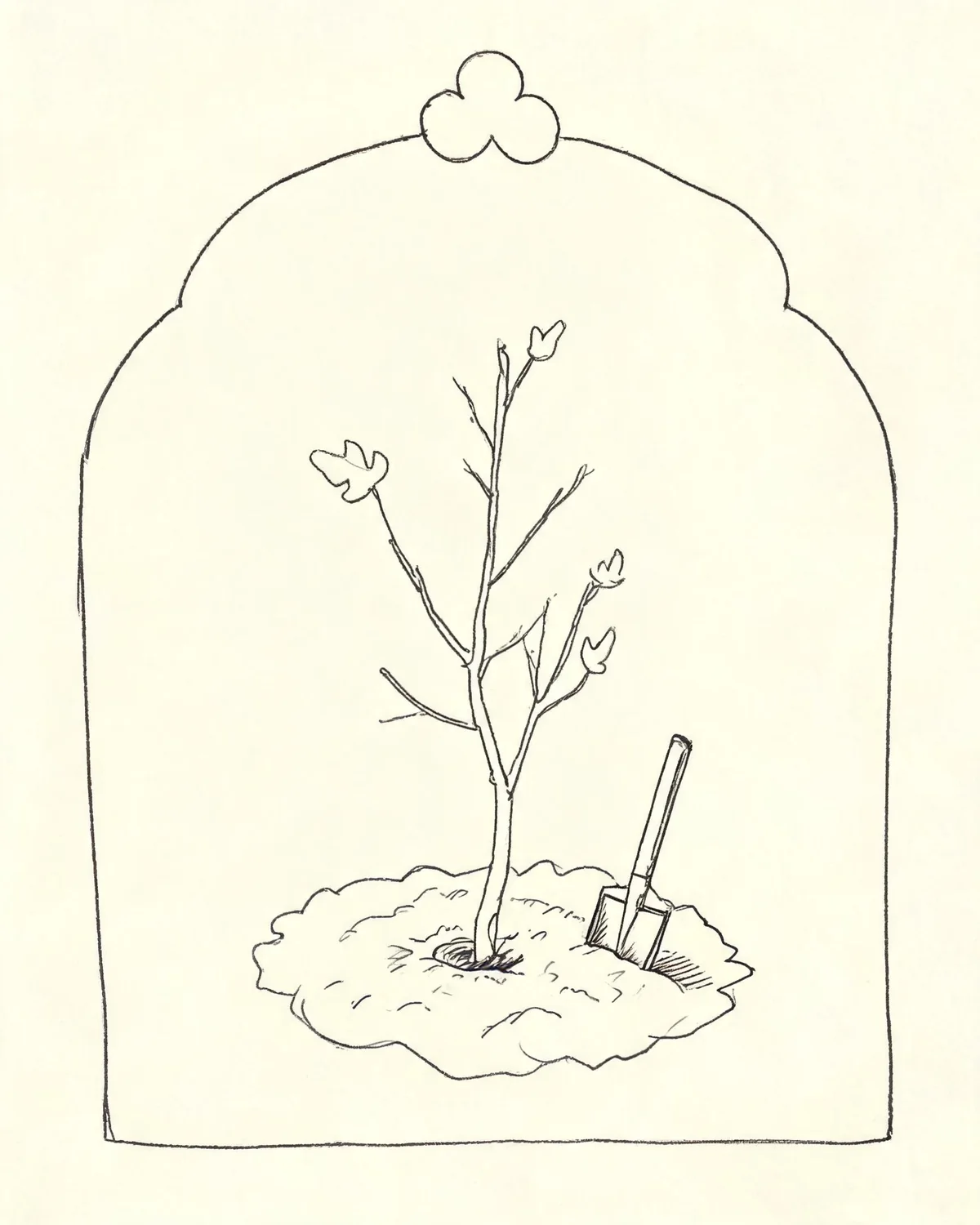
Spreading manure around a tree that has produced nothing recalls the gardener in the parable who pleads for one more season. The image leans strongly toward patience and a second chance. Something in your life that looks barren, a vocation, a friendship or a faith that has gone quiet, is being given time and care rather than being cut down.
Treasured things turning to refuse
When jewellery, trophies or certificates turn to filth in your hands, the dream echoes the apostle who counted his old credentials as dung. It can be painful or oddly freeing. Ask whether something you once prized has lost its hold on you, or whether you are afraid that your achievements will be judged worthless by people whose regard you want.
Being smeared by someone else
When another person throws or smears waste on you, the dream is about shame imposed from outside. The tradition separates shame you bring on yourself from shame others force on you, and it treats the second as a wrong done to you, not a fault of yours. The scene may be processing humiliation, gossip or contempt you have recently received.
A clean surface hiding a mess
A tidy room with filth behind a cupboard door, or a polished floor with something rotten beneath it, echoes the gospel image of a whitewashed wall: real character covered by a thin layer of respectability. The scene often concerns appearances, a part of life presented well to others while something unaddressed waits behind it for attention.
Common Symbols Paired with Feces
With water or a bath. Washing in the old law was bound up with prayer for a clean heart, and baptism later became the tradition's master image of cleansing. When waste in a dream is followed by water, the reading leans firmly toward forgiveness and a fresh start. When there is filth and no water to be found, the dream may be asking where you are looking for that cleansing and whether you have asked for it.
With soiled clothes. One prophetic vision shows a high priest standing accused in filthy garments until they are stripped away and replaced with festal clothing, a symbolic picture of being made clean by someone else. If your clothes are stained in the dream and later replaced, that older scene sits close by. If the stained clothes stay on, the dream may be about a reputation you feel unable to change.
With garbage. Ancient Jerusalem had a gate through which refuse was carried out of the city, and the tradition's concern is less with rubbish existing than with where it is taken. Waste mixed with ordinary household garbage suggests things to be discarded together; waste piled where it should not be suggests a disposal that keeps being put off.
How This Tradition Differs from Others
Placed beside the Islamic dream interpreters, which read waste mainly through money, debts and spending, Christian readings stand out for how rarely they connect dung with wealth. Their vocabulary is purity, humility and the reordering of values, and their recurring question is what a person's heart is attached to rather than what is in their purse.
older dream interpreters calculated outcomes from social standing, reading the same accident one way when a wealthy friend was involved and another way when a poor acquaintance was. Christian readers have generally been less interested in outcomes than in the inner state the dream exposes.
Modern psychological dream work reads waste through shame, release and control, and Christian readers recognize much of that. What they add is an ending to shame: forgiveness that removes the reproach, so the dream does not have to keep returning to the same mess.
Within Christianity itself there is a range. Some present-day writers treat dreams of filth as spiritual attack and answer them with deliverance prayer; others, drawing on the older discipline of discernment, prefer to weigh the dream calmly and test it by its fruit. Both positions are held sincerely by believers, and many people move between them depending on how a particular dream leaves them feeling.
What Is the Biblical Meaning of Cleaning Poop in a Dream?
Cleaning up filth is the most hopeful version of this dream in Christian terms, because cleansing is one of the tradition's central images. Ritual washing in the old law was tied to prayer for a clean heart, and in the gospels Jesus touches people others considered untouchable and restores them. A dream in which you scrub, wipe or carry away waste can picture repentance, repair or a new start already under way.
Whose mess it was changes the emphasis. Cleaning your own suggests taking responsibility for something you have done. Cleaning up after someone else echoes the servant image at the center of the gospels, where the teacher kneels to wash his followers' feet. That can picture humble, chosen care, or it can picture resentment at always being the one left to tidy up.
If the cleaning never finishes, the dream may be about exhaustion rather than sin. Ask whether you are trying to earn a cleanness the tradition describes as freely given.
What Is the Biblical Meaning of Stepping in Poop?
Stepping in filth is an accident rather than a choice, and that distinction matters in a Christian reading. The old purity rules treated much uncleanness as something picked up by contact rather than committed, and they set out a clear way back through washing and waiting. The dream can picture getting caught up in someone else's mess: a conflict at work, family tension, gossip you did not start.
Feet carry their own meaning in the tradition. Washing a guest's feet was basic hospitality, and the gospels turn it into an act of humble love. If you step in waste and then clean your shoes, the dream leans toward recovering quickly; if you keep walking and track it through room after room, it leans toward letting a small contamination spread.
Some Christian writers read this scene as an attack on your path. A steadier reading asks first where you were walking and whose mess it was.
What Does Poop in a Toilet Mean Spiritually?
Waste in a toilet is waste in its proper place, and of all the versions of this dream it is the least troubling. The old insistence on handling bodily functions outside the camp was about order, not disgust, and a working toilet is the household form of that order. Flushing waste away can picture release, confession or the close of a difficult chapter.
A blocked or overflowing toilet reverses the picture: what should be leaving is backing up. In Christian terms that may be something unconfessed or unforgiven, or simply a burden you have had no room to set down. A toilet with no door, or in a crowded room, adds exposure, the fear that a private struggle has become visible.
The feeling on waking is a useful check. Relief points toward something already released; frustration points toward something still waiting for attention, and often toward a conversation or confession you have been postponing.
What This Dream Is Not
A feces dream is not a prediction of disgrace, poverty or punishment, and it is not a verdict that you are unclean before God; the tradition's own teachers moved uncleanness from the body to the heart. It is not evidence of a spiritual attack either, and treating it as one can turn an ordinary unpleasant dream into a source of fear.
Nor is it a report on your health. A dream that borrows the body's most basic functions may reflect nothing more than a restless night, an unsettled stomach or a day spent cleaning up after small children. Reading more into it than that asks the image to carry a weight it was never given. If the dream keeps returning or leaves you shaken, that is worth bringing to a pastor, a friend or another person you trust.
FAQ
What does poop mean in Christian scripture?
Dung in scripture is something unclean removed beyond the camp, an image of pride brought low, a measure of worthlessness and a practical fertilizer and fuel. Which of these applies to a dream depends on what happens in the scene.
Is dreaming of poop a spiritual attack?
Some present-day Christian writers read it that way, but the older practice of discernment asks you to weigh a dream by its effect rather than assume its source. A dream that moves you toward honesty and repair is unlikely to be working against you.
Does a feces dream mean I have sinned?
Not by itself. The gospels move uncleanness from bodily functions to the heart, so the image is better taken as an invitation to reflect than as an accusation. If something specific comes to mind, deal with that directly.
What does eating poop in a dream mean biblically?
One prophet was told to bake bread over dung as a sign-act about defiled food in exile, and he protested. A present-day reading might ask what you are being made to accept that feels degrading, and whether you have said so.
What does baby poop mean in a dream biblically?
A baby's mess is the most innocent form of this image. It usually pictures the humble, repetitive work of caring for someone who cannot care for themselves, the kind of service the gospels honor, rather than anything to do with sin.
Can a poop dream be positive in Christianity?
Yes. Removal, fertilizer, cleansing and the reversal of the lowly all give the image a hopeful side. A dream in which waste leaves, is washed away or feeds something growing usually leans toward relief and new beginnings.
Why do I keep dreaming about poop?
A returning image is worth asking about. Christian dream workers suggest asking whether it concerns pains or guilt from the past or the present, and what keeps it alive. A recurring mess often points to one unresolved matter.
Should I pray about a feces dream?
Many Christians bring unsettling dreams into prayer rather than decoding them alone. Praying over this one can be as simple as naming what felt dirty and asking for clarity, then watching what changes over the following days.
How to Use These Readings Today
Start by writing the dream down plainly: where the waste was, what you did with it and what you felt when you woke. Those three answers will tell you whether the dream sits closer to removal, humbling, cleansing or growth.
Then ask the question the tradition keeps returning to: what needs to be carried out? It might be a habit, a grudge, a secret you have been guarding, or simply clutter you have been stepping around for months. If nothing comes to mind, it is fair to treat the dream as the body's night-time business and let it go.
Finally, take one small, concrete step toward cleansing. Have the conversation that would set something right, return what you borrowed, or clear one neglected corner of your home. If you pray, name the thing plainly. And if you notice shame lingering about a matter you have already made right, say so to someone you trust; the tradition treats that kind of shame as something you are allowed to put down.