Fire in Christian Dream Interpretation
A flame stands in the dark of a dream, and it is hard to tell whether it has come to warm you, to test you or to show you something. Christian imagery gives fire all three jobs. Below, the image is followed through the lamps, furnaces, bushes and pillars of that imagery, and through the long Christian habit of weighing a vivid dream before trusting it.
On this page
- Key takeaways
- What Fire Means in Christian Dream Interpretation
- How Christian Dream Interpretation Reads Dreams
- Core Principles
- How the meaning changes
- Common Symbols Paired with Fire
- How This Tradition Differs from Others
- Is a Fire Dream a Warning from God
- What Is the Biblical Meaning of Putting Out a Fire in a Dream
- What Does Fire Falling from the Sky Mean in a Dream
- What it is not
- FAQ
- How to Use These Readings Today
- Related symbols
Key Takeaways
- Christian imagery lets fire serve and threaten: it cooks, warms and lights, and it also tests and judges.
- A flame that burns without consuming, like the bush in the wilderness, is the tradition's classic picture of holy presence.
- Refining is the most common Christian reading of a painful fire: heat that separates worth from dross.
- Fire near the tongue, or a single spark in dry grass, points toward speech and anger, small things with large reach.
- Being pulled from the fire is an old image of rescue that later Christians used for their own turning points.
- Discernment comes first, because Christian teachers sorted dreams by source before reading any flame in them.
What Fire Means in Christian Dream Interpretation
Before it is anything holy, fire in biblical imagery is a household servant. It cooks the meal, warms the people sitting near it and gives enough light to see by, and even kindling it counted as work. A dream fire that is simply doing its job, such as a stove, a lamp or a campfire on a shore, belongs to this layer first, and its questions are domestic ones about who is being fed and kept warm.
Then comes presence. Again and again the tradition pictures the holy as flame: a torch passing between the halves of a covenant offering, fire on a mountain, a pillar of fire by night, tongues of flame resting on gathered disciples. In a dream, fire that feels charged rather than dangerous often belongs here, and the feeling it leaves, awe rather than panic, matters.
A third reading is testing. The metalworker's fire, which melts ore so the dross can be skimmed away, became one of the tradition's favorite pictures for hard seasons that reveal what a person is made of. A dream of heat you cannot escape, but which does not destroy you, tends to be read this way.
The tradition does not hide fire's destructive side either. Its imagery includes burned cities, fire falling on the wicked and the unquenchable fire of the last things. Christian readers have generally treated those pictures as statements about justice rather than as a script for anyone's dream, which is why a destructive fire in sleep is usually turned back toward conscience: what in your life is burning that should not be?
How Christian Dream Interpretation Reads Dreams
Christian teachers have been both open to dreams and wary of them. One sixth-century list, much copied afterwards, put overeating and hunger first, then deception, then deception tangled with daytime thinking, and only at the end revelation, alone or mixed with thought. Under that list, a fire dream after a heavy supper or a smoky evening by the hearth was simply the body talking.
Fire also shaped how some early Christian writers pictured sleep itself. One compared the sleeping mind to a fire banked under chaff: it neither burns what lies beside it nor goes out, but smoulders and sends up smoke until a breath of air lets it flare again. Dream images, on that view, are the mind's smoke, partly obscured and occasionally bright, which is why a single flare in one night deserves less weight than a pattern across many.
So the tradition reads fire dreams slowly. It asks where the image might have come from, whether it moves you toward repentance, courage or love, and whether trusted people around you recognize something true in it. Even the best-known fire story in this imagery ends with a turn: after wind, earthquake and fire, the presence the prophet was waiting for came in a quiet sound, not in the flames.
Core Principles
Four questions keep a Christian reading of fire honest, and each comes from the way the tradition itself uses the image.
Ask whether the fire consumes. The tradition's most sacred fires burn without destroying: the bush stays green, and three young men walk out of a furnace unharmed. A dream fire that blazes but leaves things whole leans toward presence or protection; one that leaves ash leans toward loss, judgment or grief.
Ask what the heat is separating. Refining fire has a purpose. If your dream felt like an ordeal, the more useful question is what is being separated from what, such as habit from character or a role from the person, rather than how to make the heat stop.
Ask whose mouth the fire is near. Biblical imagery ties fire to speech: the tongue as a small flame that sets a forest going, words that scorch, anger that flares. Fire close to mouths, letters, phones or conversations may be about what is being said.
Ask whether the fire is meant to stay lit. Some fires in this tradition must never go out, like the altar flame and the lamp kept through the night. Others must be put out. Knowing which kind your dream showed tells you whether tending it or quenching it is the faithful move.
What Changes the Reading of Fire
Each of the scenes below draws on a different corner of Christian imagery, so the same element can point in quite different directions.
A bush that burns without burning up
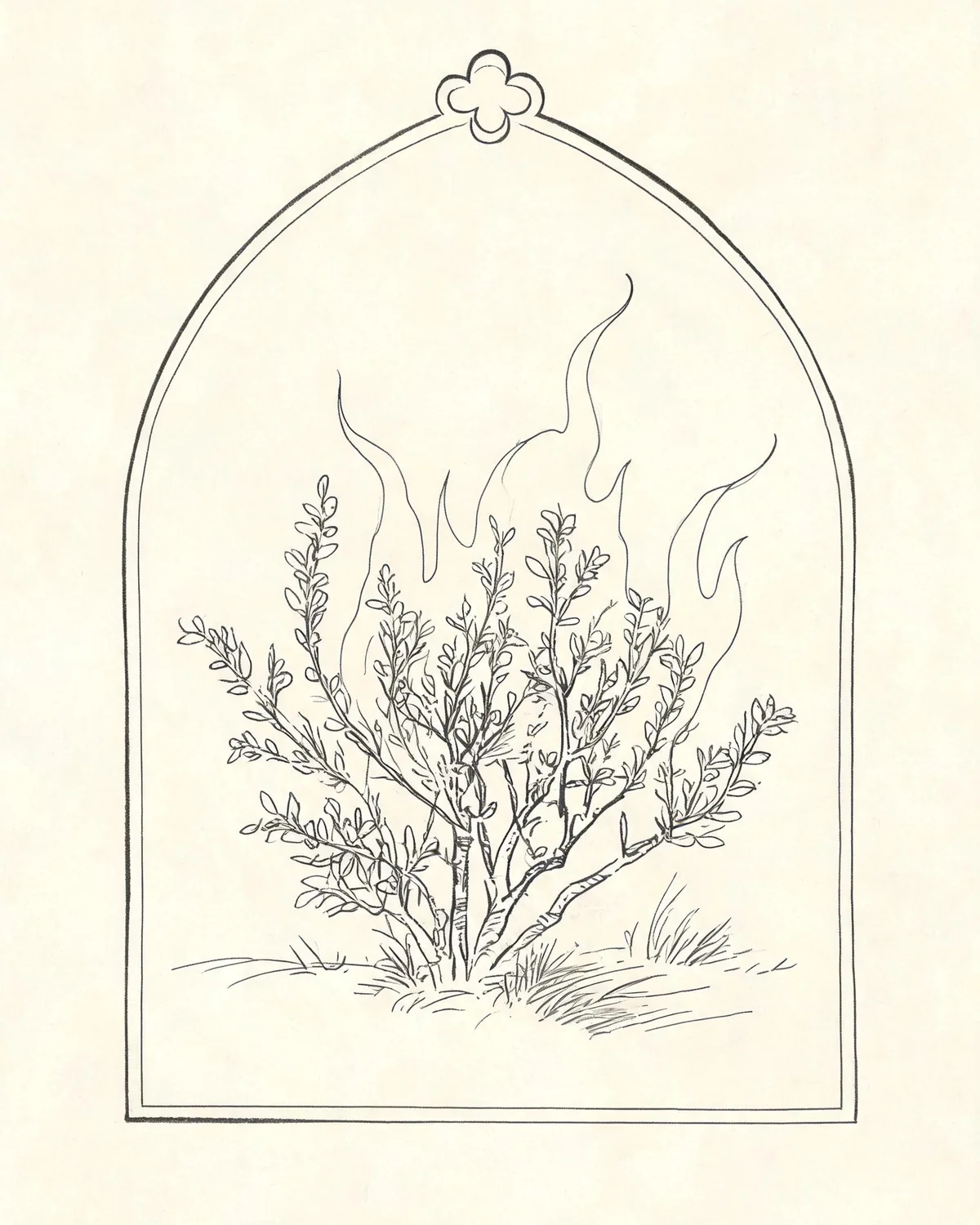
Flame resting in a living plant without consuming it is the tradition's classic picture of holy presence, the moment an ordinary place becomes holy ground. If your dream showed fire on something that stayed intact, the reading leans toward awe and attention rather than danger. Notice whether you wanted to come closer or to stand still and take off your shoes.
A lamp kept burning through the night
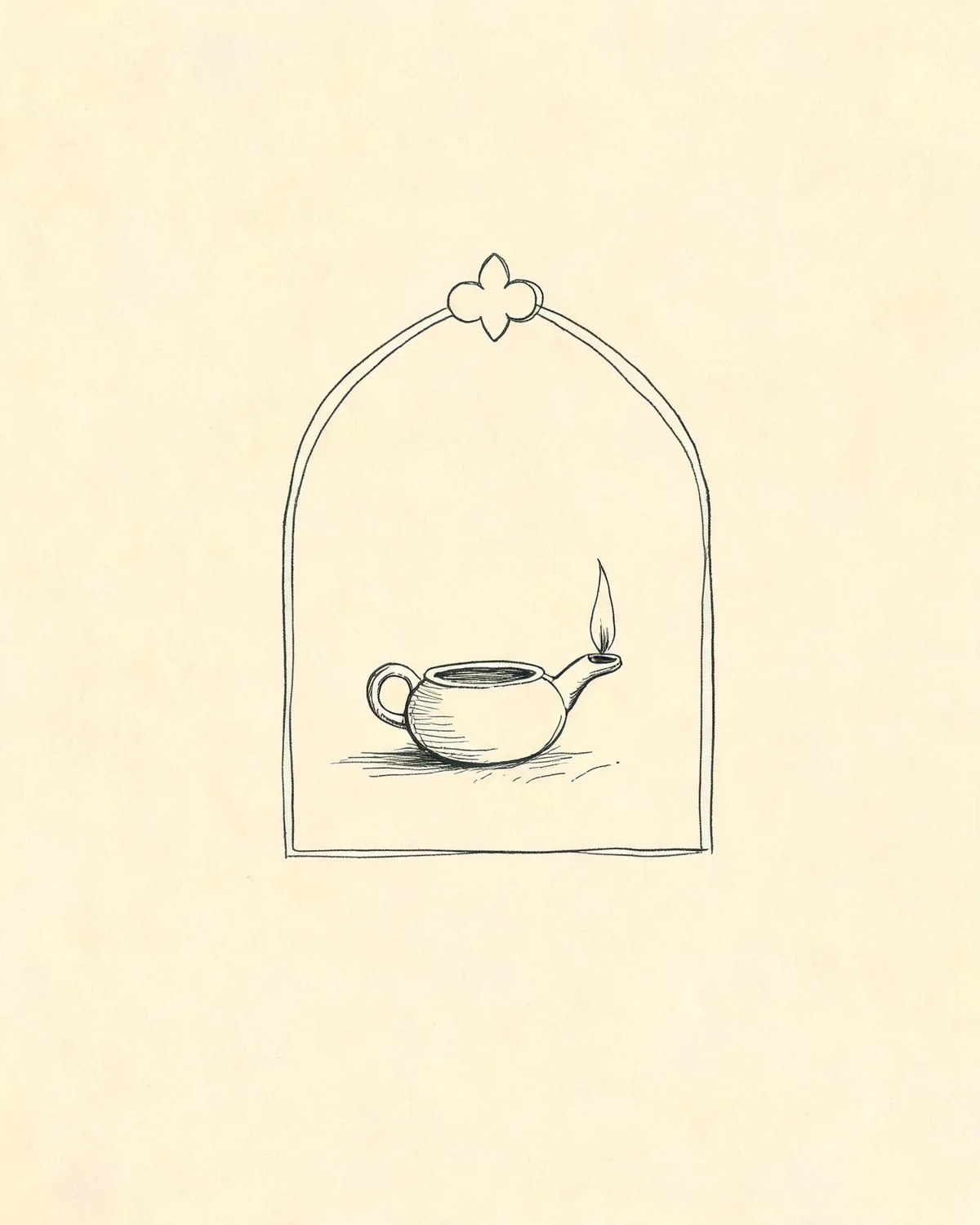
Lamps in biblical imagery belong to the sanctuary and to the well-run house, and the parable of the waiting bridesmaids made a lamp with enough oil the very picture of readiness. A dream of tending a small light through darkness often points to faithfulness in something unglamorous. A lamp running dry asks what you have stopped replenishing.
Walking through a furnace unharmed
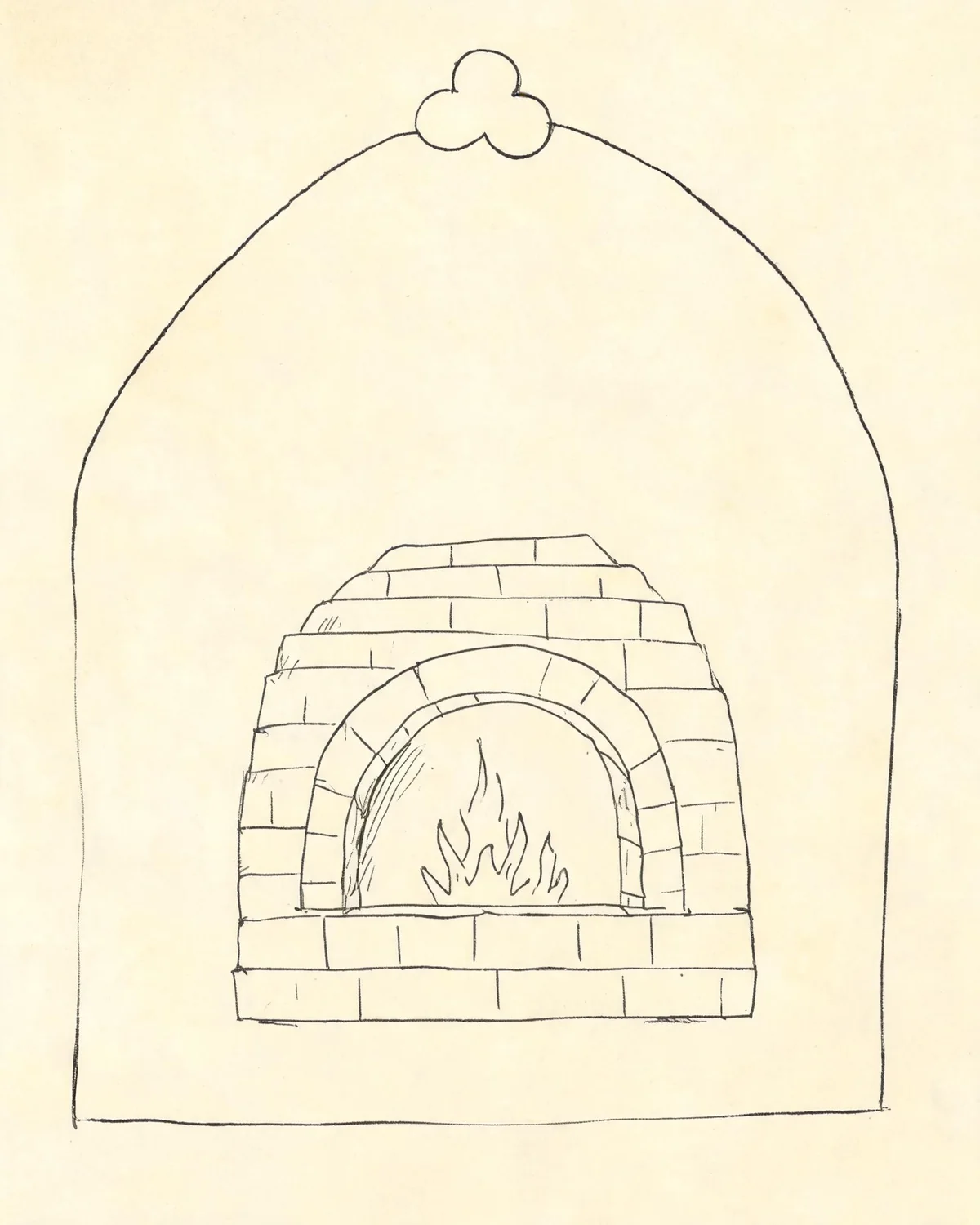
Three young men thrown into a king's furnace and walking out without harm is one of the tradition's best-loved rescue stories, and it ended with the king himself changing his mind. A dream of standing in fire that does not hurt you may echo it: an ordeal you are inside rather than outside, with protection you did not expect. Ask what kept you from being burned.
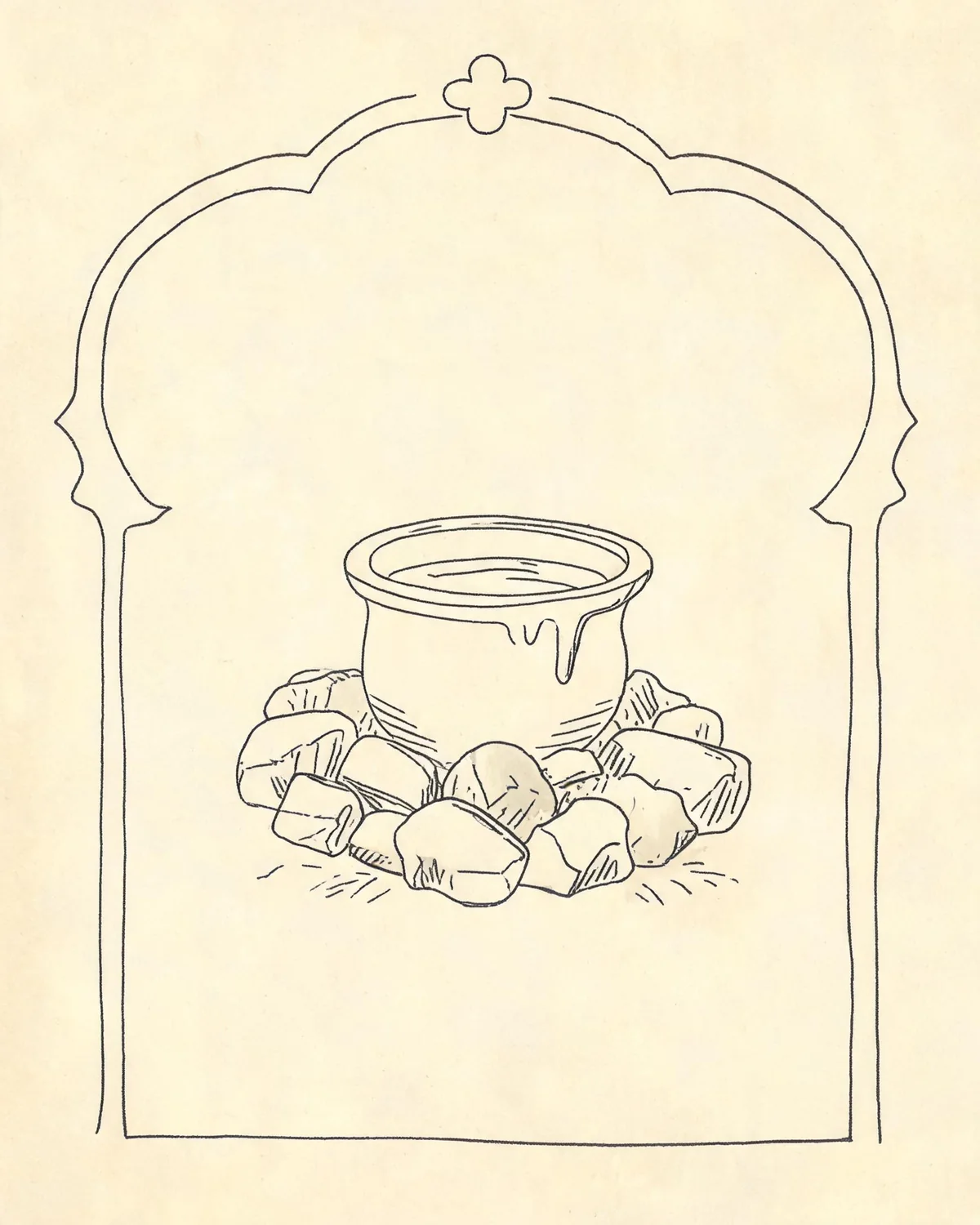
Metal glowing in a crucible
A crucible, a forge or a smelting furnace places you in the language of refining, which Christian hymns and sermons have long used for hard experiences. Heat loosens the dross so it can be skimmed off, and what remains is worth more. If you were the metal in the dream, ask what the heat is removing; if you were the smith, ask what you are testing.
Flames resting on people's heads
Small flames settling on a gathered group recall the tradition's account of the Spirit arriving as tongues of fire, when listeners heard one message in many languages. In a dream, the image often concerns speech, courage and being understood, especially in company. It can also mark a beginning, since that scene opens the story of the early church.
A pillar of fire leading you at night
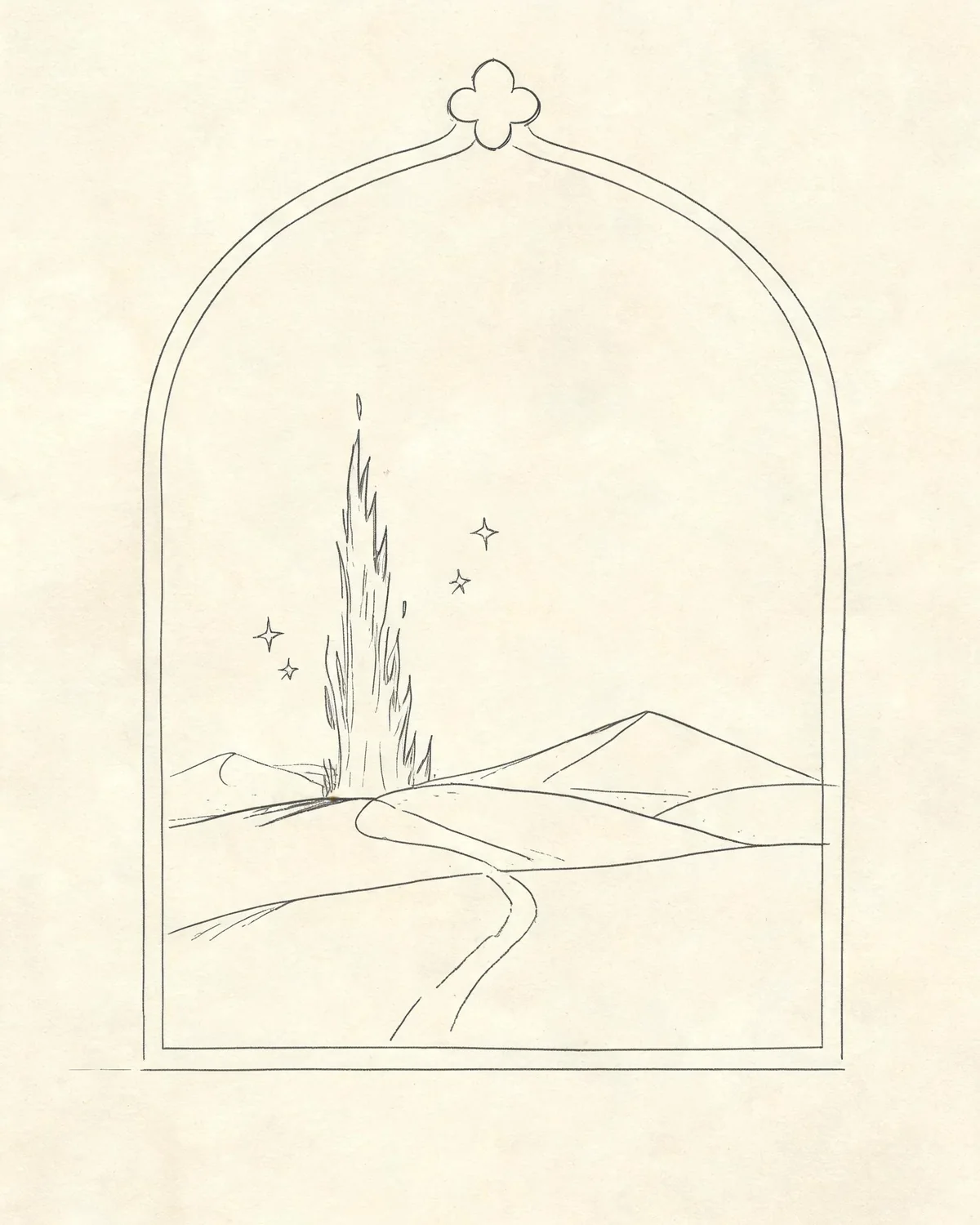
A column of fire moving ahead through dark country is the tradition's picture of guidance in a wilderness, a presence that shows the way one stage at a time. A dream of following a light across unfamiliar ground may belong to a season of transition. Whether you trusted the light or kept stopping to check the map is worth recording.
A spark that sets a field alight
Biblical imagery compares the tongue to a small fire that can set a whole forest burning. A dream of one spark racing through dry grass may concern words: something said in haste, a rumour, an argument that spread further than anyone meant. The useful question is who struck the spark and whether it can still be called back.
Being pulled out of the flames
To be snatched like a burning stick from the fire is an old biblical picture of rescue from great danger, and later Christians borrowed it to describe their own conversions. A dream in which someone drags you clear of a fire, or in which you pull someone else out, tends to be read as deliverance, often with a sharper sense of what you were close to.
Common Symbols Paired with Fire
Fire and water. Symbol traditions treat these two as the great opposites, yet Christian ritual uses both for cleansing: water in baptism, and fire in the older picture of a baptism by fire that burns away dross and refines what is left. A dream that sets them side by side may be asking which kind of cleansing you need, gentle washing or a harder burning-off.
Fire and gold. Gold refined in fire is a recurring biblical picture of worth proven under heat, and the language of refining has comforted people through long, hard seasons. If your dream showed gold in or near flames, the reading leans toward something valuable being clarified rather than lost.
Fire and a sword. Older Christian imagery pictures the way back to Paradise guarded by figures holding swords of flame, read by symbol writers as understanding that bars the careless. A flaming blade in a dream can stand for a boundary you are not yet ready to cross, or one you are right to keep.
Fire and fish. Among the gentlest fire scenes in the resurrection stories is a meal of fish cooked over coals on a shore. A dream of food cooking over a small fire beside water can carry that tone of welcome after a long night, and of being fed before being asked anything.
How This Tradition Differs from Others
Fire is sacred in many traditions. Zoroastrian practice keeps a holy flame; Hindu symbolism gives the lightning and the domestic hearth to one fire deity; Buddhist teaching pictures wisdom as a flame that burns away ignorance; alchemists placed fire at the beginning and end of their work. Islamic dream interpreters, by contrast, tend to translate fire into worldly matters such as earnings, quarrels, markets and authority.
What stands out in Christian imagery is how often fire is a picture of God's own presence and of the Spirit, and how strongly it is tied to inner change: purification, refining, zeal, conscience. A fire in a Christian dream is therefore more likely to be read as something happening within a person than as news about the outside world.
Where other readings ask what a fire says about events, Christian readers more often ask what it says about the heart and the slow work of grace in it.
The tradition also keeps a careful distance from its own symbol. In one of its central stories the holy is found not in the fire but in the quiet after it, a reminder that no element, however bright, can hold the divine. That restraint shapes Christian dream reading as much as the fire imagery itself does.
Is a Fire Dream a Warning from God?
Many people wake from a vivid fire dream with exactly this question, and Christian teaching has usually answered it with a process rather than a yes or no. That old list of dream sources leaves room for revelation, but it puts the stomach and plain deception ahead of it, and pastors in the tradition have long asked people to test a strong impression before acting on it.
Testing looks like this in practice. Does the dream lead toward repentance, reconciliation and courage, or only toward dread? Does it fit the character of God as the tradition describes it, patient and refining rather than capricious? Do people who know you and pray with you recognize something in it? A dream that passes those tests may be worth treating as a call to change something, which is different from a threat about what is coming.
Some Christians do report fire dreams that changed their lives. A former sea captain who became a well-known hymn writer described a dream of mountains bursting into flame and then going dark when a ring he had thrown away was returned to him. He read it afterwards as mercy rather than doom.
What Is the Biblical Meaning of Putting Out a Fire in a Dream?
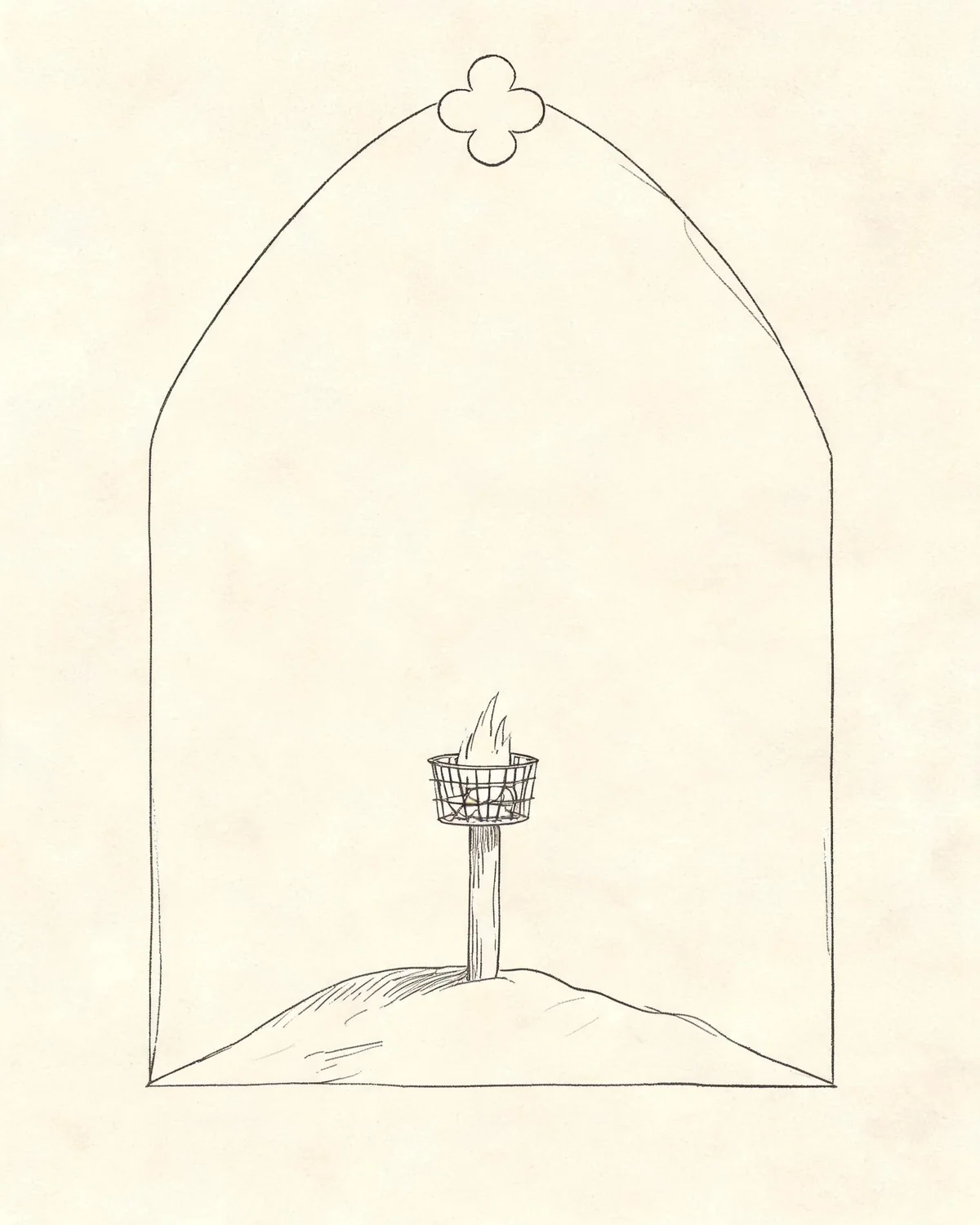
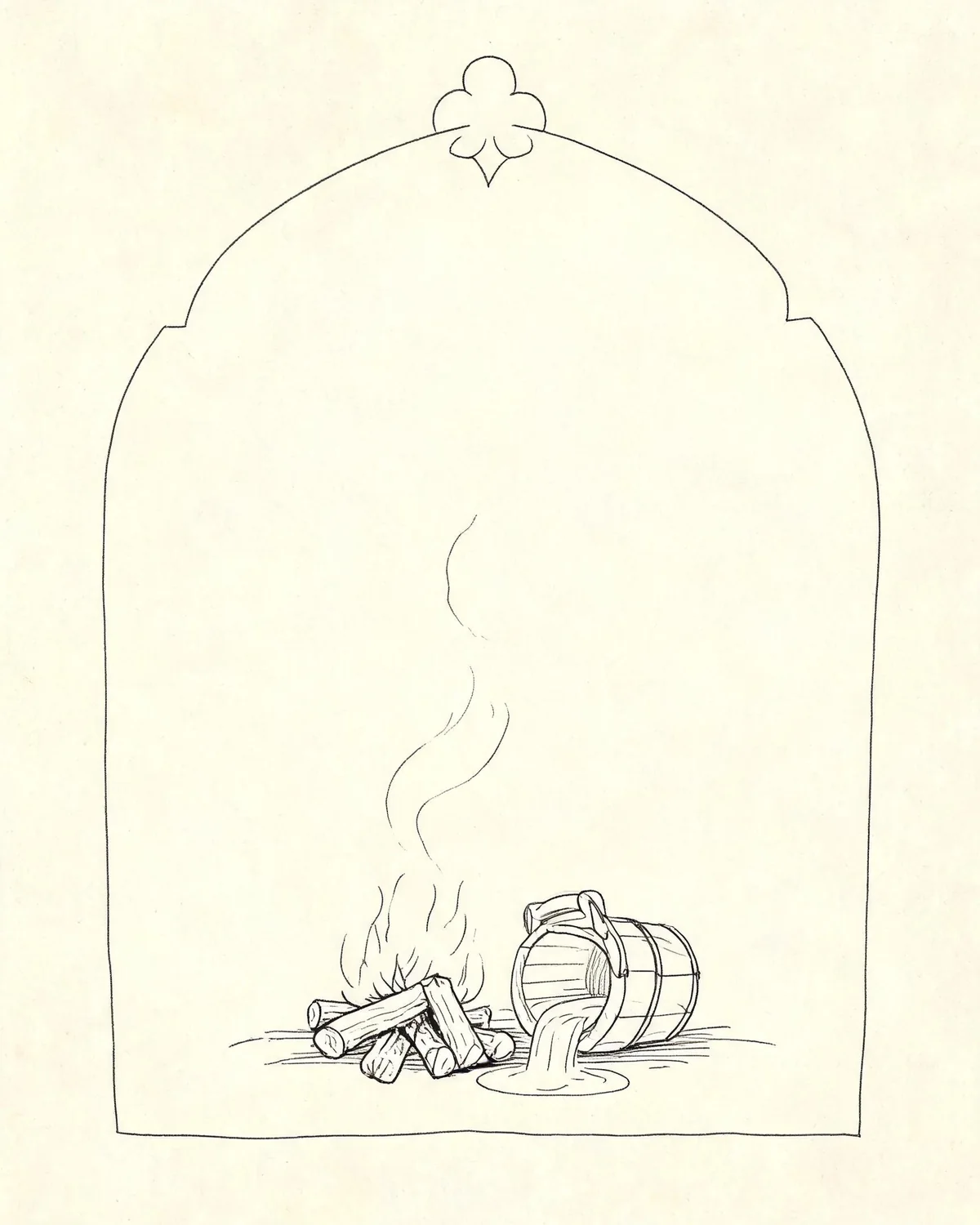
The answer depends on which fire you were fighting. Biblical imagery is full of flames that should be quenched, such as anger that flares or careless words that scorch, and full of fires that ought never to go out, such as the altar flame and the lamp kept through the night. A dream of dousing flames is first a question of category.
If the fire was destructive, spreading through a house or a field, putting it out reads as restraint and peacemaking: the moment you stop feeding a conflict, cool your own temper, or step in to protect something others need. The tradition values that work, since anger is one of the fires it warns about most often.
If the flame was a lamp, a hearth or something that seemed to glow with meaning, the dream turns more searching. Christian writers often speak of a zeal that can be smothered, and a dream of putting out a good fire can ask what prayer, enthusiasm or calling you have let go cold, perhaps out of tiredness rather than choice.
What Does Fire Falling from the Sky Mean in a Dream?
Fire from above is one of the starkest pictures in biblical imagery, and most of its appearances are destructive: cities overthrown, rebels consumed, burning skies in the last days. That is why the dream feels so heavy, and why many people search for it the morning after.
Yet the same imagery has a second strand. Fire sometimes falls not on people but on an offering, consuming a sacrifice as a sign that it has been accepted. Fire also surrounds and protects, as with chariots of fire around a besieged prophet or a wall of fire around a city. What the fire landed on in your dream, whether you, a city, an altar or a ring of protection, decides which strand it belongs to.
Christian readers usually turn a falling-fire dream toward the present rather than toward the end of the world. Ask what in your life feels as if it is coming down from above and out of your control, and whether the dream showed anyone shielded from it.
What This Dream Is Not
A fire dream read in this tradition is not a forecast of a house fire, a disaster or the end of the world, however vivid the flames were. Nor is it a judgment on the state of your soul: Christian teachers who took dreams seriously still sent frightening ones back through conscience, prayer and counsel rather than accepting them as a verdict.
It is also not a private message that sets you above the people around you. The tradition has long been suspicious of dreams that make someone feel specially chosen, and a fire dream that leaves you humbler and more careful with others sits closer to its spirit than one that leaves you announcing what you saw. Held within those limits, the image can do its real work, which is to sharpen attention.
FAQ
What does a house on fire mean in a dream, biblically?
Biblical imagery uses burning houses and cities mostly for upheaval and judgment, but Christian readers tend to bring the dream home: a family strain, a burnt-out routine, a household under too much heat. Notice which room burned and who tried to help.
What do ashes mean in a Christian dream?
Ashes carry grief, repentance and humility in this tradition, the reminder marked on foreheads at the start of Lent. A dream of ash can ask what has ended and what you need to mourn or admit before something new begins.
What does smoke without fire mean in a dream, biblically?
In biblical imagery smoke rises from offerings like prayer and veils the holy on the mountain. Smoke with no visible flame can point to something smouldering out of sight, or to a prayer or longing you have not yet put into words.
What does it mean to light a fire in a dream?
Kindling a fire was counted as real work in biblical times, and fire's first jobs were cooking, warmth and light. Lighting one in a dream often asks whom you are preparing to feed, warm or guide, and whether the fire is yours to light.
What does it mean to be burned in a dream?
One early church father described a dream in which the fire of conscience hurt more than any blow. Being burned in a dream may point to guilt, regret or a hard lesson, and a Christian reading would ask what it is pressing you to repair.
What does it mean to dream about hellfire?
Hellfire is among the tradition's most severe images, but Christian teachers who studied dreams warned that frightening ones can come from illusion as easily as from God. Bring such a dream to prayer and a trusted pastor rather than carrying it alone.
Why do I keep dreaming about fire?
Repeating fire dreams may track something that stays hot by day: an unresolved conflict, overwork, a calling you keep postponing. Christian counselors also hear of dreams about a fire that never goes out, which some read as a steady, unrecognized devotion.
Is seeing fire in a dream a good sign for a Christian?
It can be. Many of the tradition's fire images are positive, standing for presence, guidance, the Spirit, protection and refining. The tone of the dream and what the fire touched are better guides than the flame itself, so start there.
How to Use These Readings Today
First, name which fire you saw. Was it a servant fire that cooked, warmed or lit the way, a presence fire that burned without consuming or rested on people, a refining fire, or a destructive one? That single choice narrows the reading more than any list of meanings.
Second, bring the dream into ordinary daylight. Talk it over with someone you trust, or sit with it in prayer for a few days instead of settling its meaning on the morning you woke. Christian discernment has always worked slowly and in company, and fire dreams benefit from the same patience.
Third, take one concrete step that matches the fire. If it was a lamp, replenish something you have let run low. If it was a refining fire, name one habit you would be glad to see burned off. If it was a spark in dry grass, repair one thing you said.