Owl in Christian Dream Interpretation
Somewhere past midnight an owl calls from the dark trees, a long, wavering note, and in the dream you stand very still to listen. Christian dream interpretation hears that sound through a rich and mixed inheritance: the lonely owl of lament poetry, the bird of ruined cities, and the night watcher that later devotion even linked with Christ. What follows sorts those readings, the scenes that shift them, the white-owl question and the old fear that an owl brings bad news.
On this page
- Key takeaways
- What an Owl Means in Christian Dream Interpretation
- How Christian Dream Interpretation Reads Dreams
- Core Principles
- How the meaning changes
- Common Symbols Paired with Owl
- How This Tradition Differs from Others
- Does an Owl in a Dream Bring Bad News
- What Does a White Owl Symbolize in a Christian Dream
- What it is not
- FAQ
- How to Use These Readings Today
- Related symbols
Key Takeaways
- In biblical imagery the owl belongs to ruins, wastelands and lament, so a dream owl often concerns loneliness, loss or a neglected place in your life.
- Its mournful cry gives the owl a second role as the voice of someone grieving honestly before God.
- Medieval symbolism split the owl two ways: a turning away from spiritual light, and Christ keeping watch in the night of suffering.
- The folk belief that an owl announces death or bad news is an older reading, and the faith's own suspicion of omens keeps it at a distance.
- An owl on watch can stand for vigilance, prayer and patient study.
- What the owl did, and where, decides the reading more than its reputation.
What an Owl Means in Christian Dream Interpretation
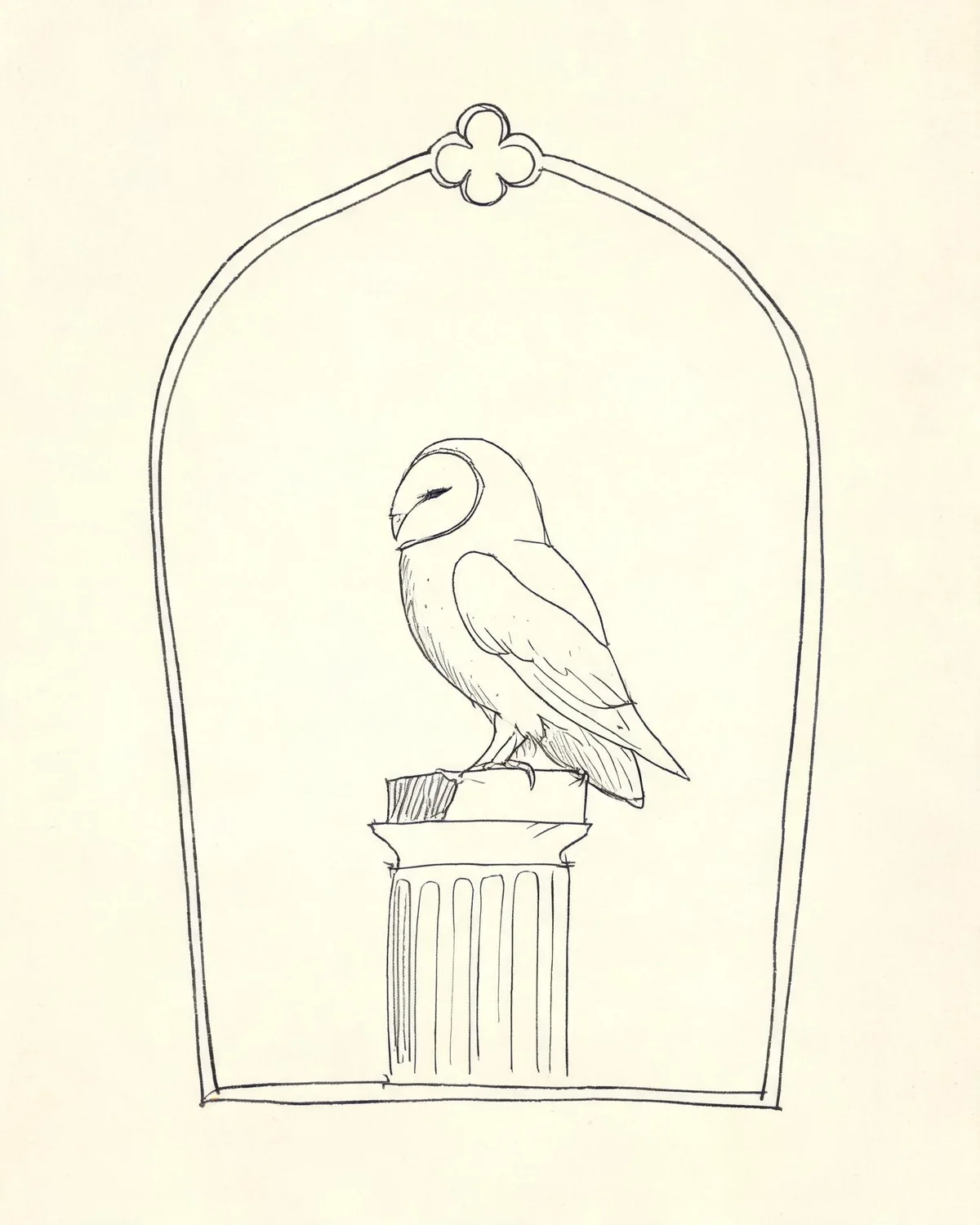
The most persistent reading comes from place. Biblical poetry repeatedly sets the owl among ruined cities, abandoned houses and wastelands, alongside jackals and other creatures of empty ground. A dream owl can therefore point to a desolate stretch of your own life: a friendship gone quiet, a ministry or project left unfinished, a room in your home or heart that no one enters anymore.
A second reading comes from sound. The owl's call strikes the ear as mournful, and lament poetry borrows it directly: a prophet in distress promises to moan like an owl, and a psalmist in misery compares himself to an owl of the desert. Here the owl is not an enemy but a fellow mourner. Dreaming of its cry may reflect grief that needs words, or prayer that has worn down to a sigh.
Christian symbolism later gave the owl two opposite faces. Its night habits, solitude and silent flight made it an emblem of turning away from spiritual light, yet the same features allowed some to see in it Christ himself, keeping company with the dark in the night of suffering. An owl in your dream may lean either way, and the feeling of the scene usually shows which.
Finally, the owl is the bird that stays awake. European emblem writers called it the special bird of soldiers on watch and of those who study far into the night. An alert owl in your dream can picture vigilance, prayerful attention or a long piece of work carried on while others rest.
How Christian Dream Interpretation Reads Dreams
Christian dream reading inherits a double stance from the Hebrew scriptures: openness to dreams as a way God may speak, joined to a sharper suspicion of superstition than most ancient cultures showed. The same scriptures that tell of God speaking in dreams also forbid augury, the reading of omens in the flight and cries of birds. For an owl dream the distinction is decisive, because the bird can be read as an image but not consulted as a portent.
Those early writings kept a careful balance, valuing dreams while warning that too much fascination with them could slide into superstition or delusion, and Christian teachers inherited that caution. In practice, an owl dream is weighed for what it shows about your inner life and relationships rather than scanned for a hidden timetable of events.
Present-day Christian interpreters add practical questions. What is happening in your life right now? What do owls mean to you personally: a childhood fear, a favorite bird, a hoot heard from the bedroom window last week? Has the owl appeared before? A single owl dream can be puzzling, while a series often makes its concern clear. Your own associations count as much as the bird's biblical history, so note them before reaching for any list of meanings.
Core Principles
Hear the cry as lament before warning. Biblical poetry gives the owl's voice to people in distress. Before asking what an owl's call announces, ask what it might be mourning. Owl dreams can surface during grief, loneliness or long disappointment, and reading them as lament honors that.
Darkness can conceal or reveal. The owl sees in the dark, which older imagination found sinister and later devotion found Christlike. Your dream will usually tip one way: an owl that hides and watches suggests something concealed, while an owl that sees clearly where you cannot suggests insight arriving in a dark season.
Empty places point to neglect. Ruins and wastelands are where biblical owls live. If the dream sets the owl in an abandoned building or bare landscape, look for an area of your life that has been left to itself, not as an accusation but as an invitation to return.
Birds are not oracles. Because the tradition forbade reading omens from birds, the owl's arrival is not treated as information about the future. Its meaning lies in the scene and in how you responded to it. Fear, curiosity or calm on waking are part of the dream's content, and they often say more than the owl's reputation does.
What the Owl's Behavior Changes
Christian readings shift with the owl's action and setting, so it helps to recall exactly what the bird was doing. These scenes come up most often.
An owl calling in the night
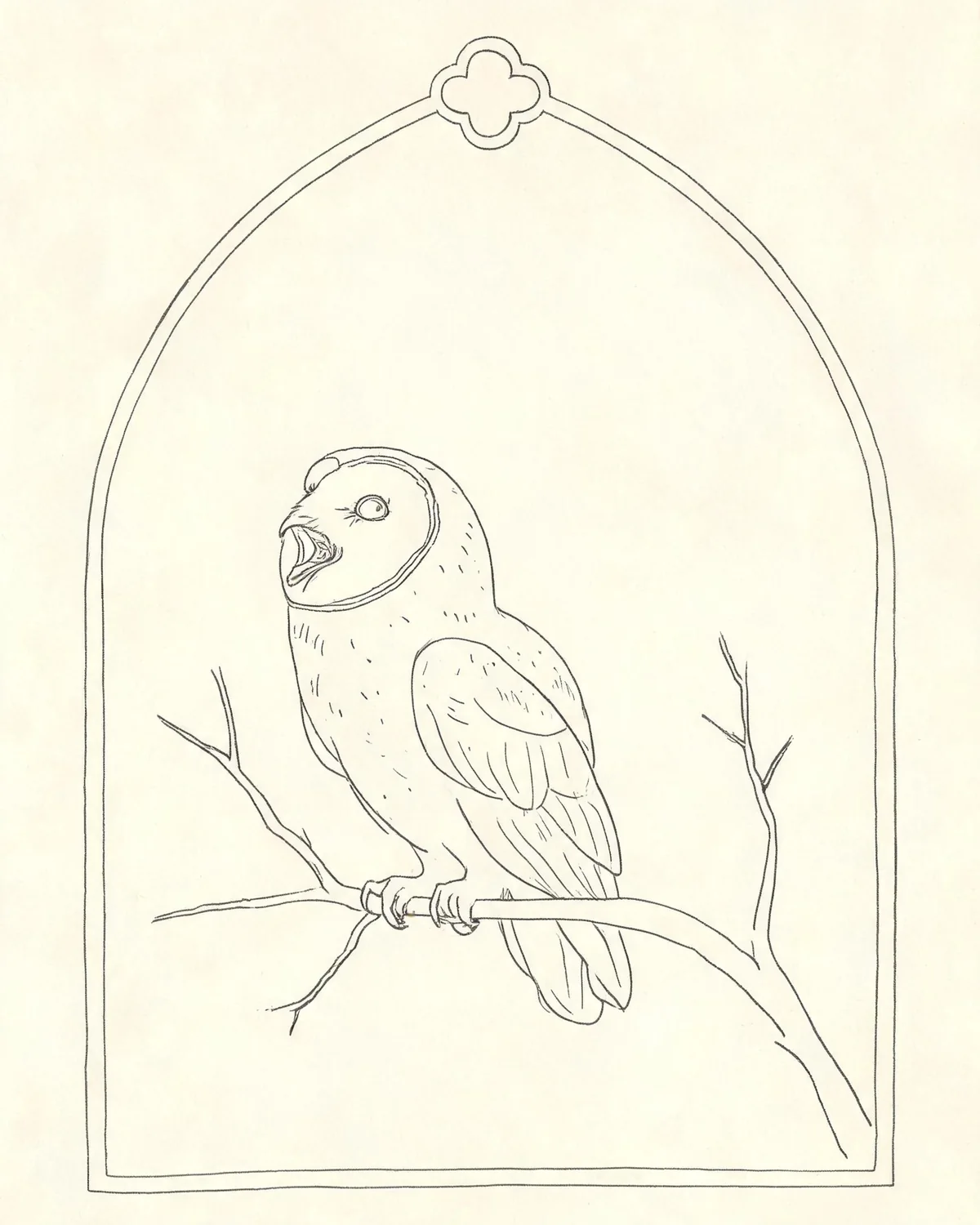
A long hoot or a thin screech in the dark carries the owl's oldest biblical role, the mourner. The sound can mirror sorrow you have not spoken, or loneliness that sharpens once the house is quiet. If you answered the call in the dream, or simply listened without fear, the scene may reflect a readiness to bring that grief into the open, perhaps in prayer.
An owl among ruins or in an abandoned house
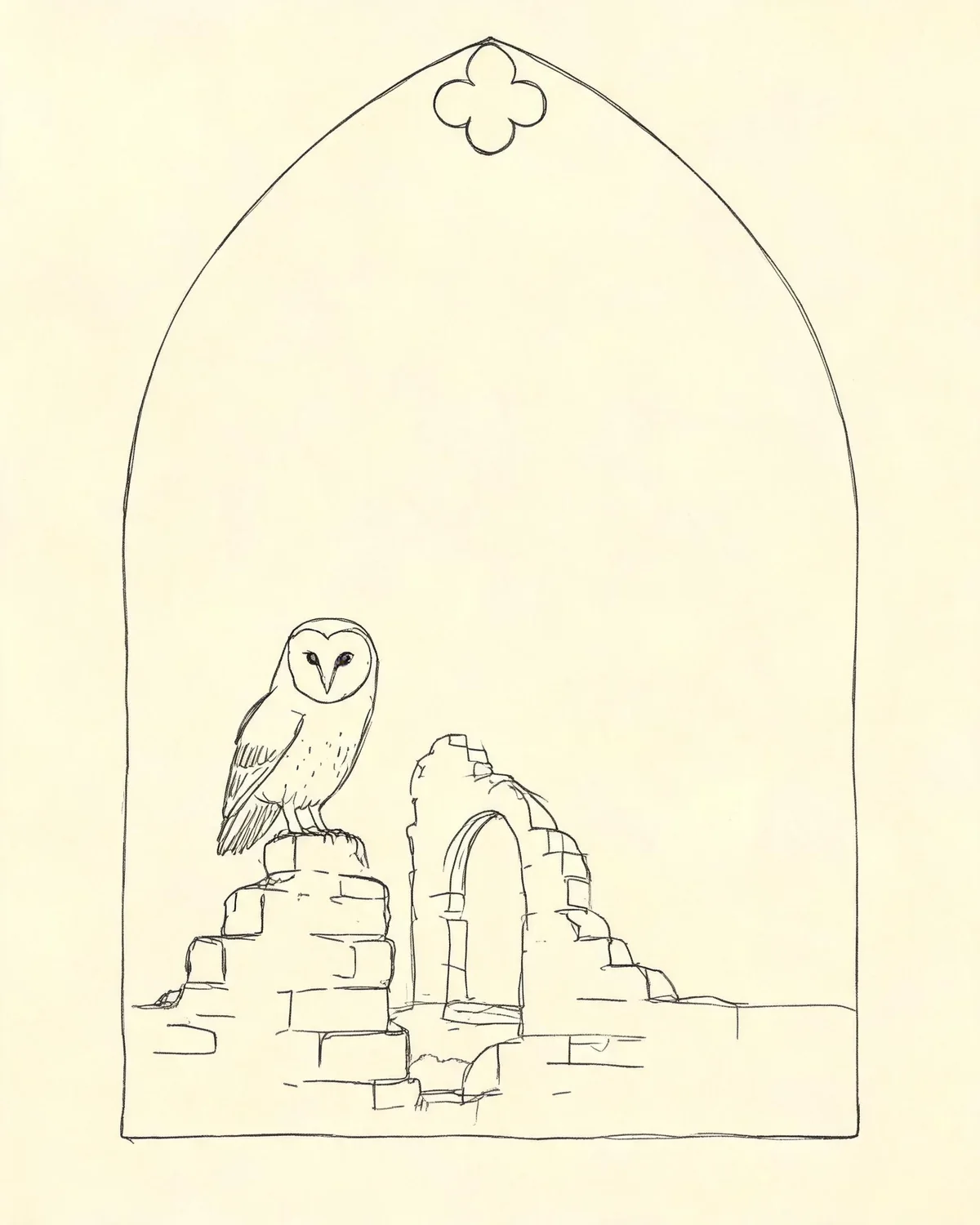
An owl perched on a broken wall or roosting in an empty house draws on biblical pictures of cities left to wild creatures. The dream may point to something in your life that has fallen out of use: a habit of prayer, a relationship, a gift you stopped exercising. The owl's presence suggests that the place is not dead, only unvisited.
An owl staring at you in the dark
Two round eyes fixed on you from the darkness can feel like being seen through. Older imagination linked creatures that see at night with the powers of darkness, while devotional writers came to read the same gaze as watchfulness. Ask whether the stare felt accusing or attentive, because conscience and care can both look at you this way.
An owl mobbed by other birds
Small birds diving at an owl is a real daytime sight, and a baroque Christian poet turned it into an emblem of the Church besieged by a hostile world. In a dream, the owl may stand for you if you feel singled out for being different, or for someone you have joined others in pressuring. Your sympathy in the scene shows which.
An owl keeping watch while others sleep
An owl awake on a beam while the household sleeps recalls the bird of the night watch and of late study. The scene can picture vigilance over someone you love, a season of prayerful waiting, or work that keeps you up long after the house has gone quiet. It may also ask whether that vigil can be sustained.
An owl swooping at you
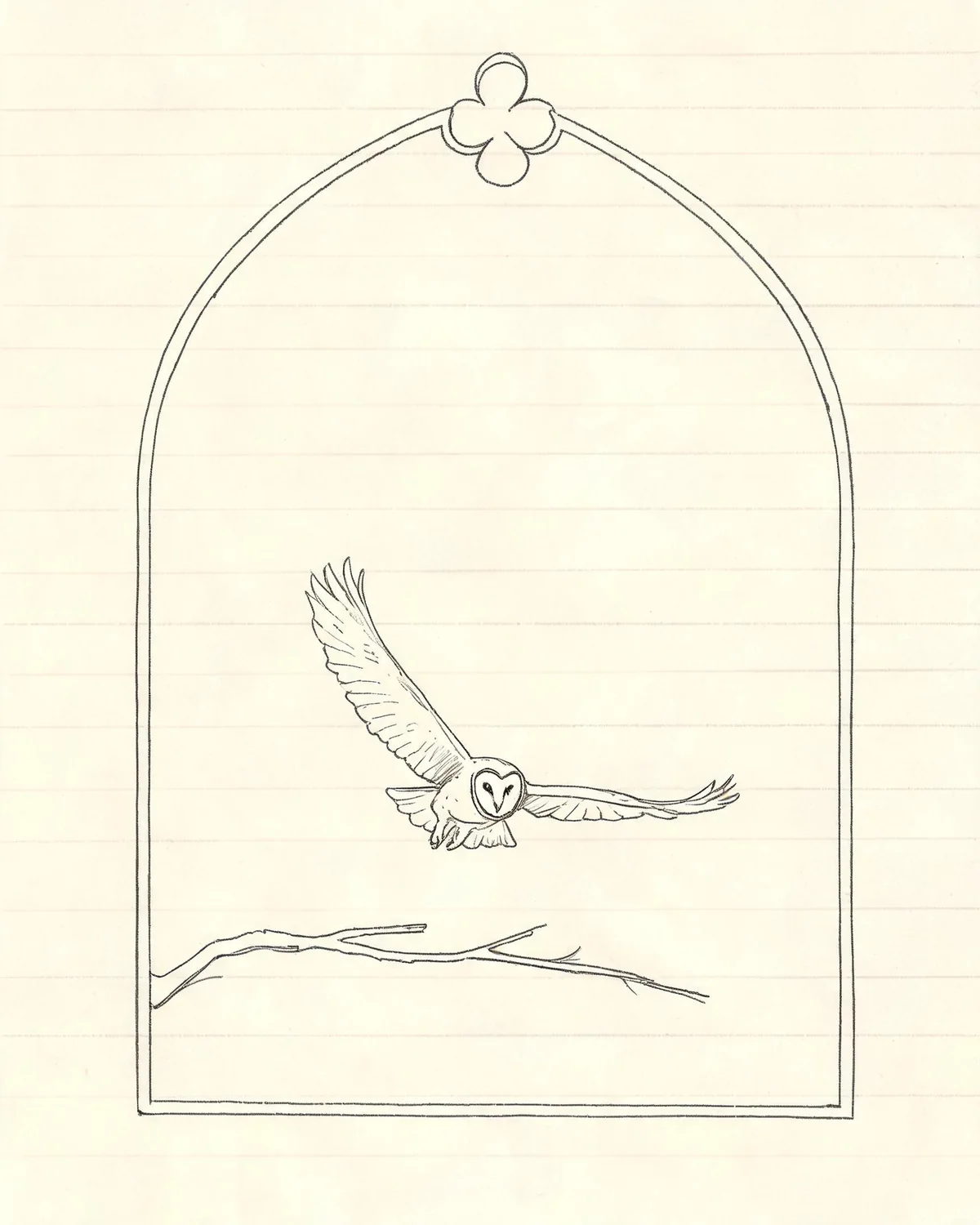
A silent owl diving toward your face turns the night bird from watcher to threat. Because its flight makes no sound, the image suits trouble that arrives without warning, such as a sudden conflict or a fear that lands all at once. If you ducked or raised your arms, the dream may reflect how you usually defend yourself when surprised.
Killing an owl
Killing an owl can be read two ways in a Christian frame. It may picture confronting a darkness, such as a temptation or a habit of withdrawal, and ending its hold. It may equally picture silencing a lament too early, forcing grief quiet before it has run its course. How you felt afterwards, relieved or hollow, usually decides between them.
Common Symbols Paired with Owl
Owl and pelican. Lament poetry gathers lonely birds together: the sparrow alone on a roof, the pelican and the owl of lonely places all picture a person forsaken. An owl and a pelican in the same dream can strengthen that theme of isolation and suggest a loneliness that needs company rather than explanation.
Owl and desert. A psalmist in distress likens himself to an owl of the desert, and the wasteland is one of the owl's natural homes in biblical imagery. A desert owl in your dream can picture a dry spiritual season, one where prayer feels unanswered, while hinting that even barren ground has its watchers.
Owl and crow. Owls and ravens appear together among the creatures of deserted ruins, birds of dark plumage and empty places. Paired in a dream, crow and owl deepen the image of abandonment. Notice whether they were feeding, calling or simply perched, since activity suggests something still being taken from a neglected area.
Owl and bat. Older biblical imagination grouped the owl and the bat among creatures that move by night and were linked with darkness. Together in a dream they emphasize hidden activity: things done out of sight, or thoughts that stir only after dark. A bright room scattering them can suggest exposure that is welcome rather than feared.
How This Tradition Differs from Others
The owl's reputation swings widely across cultures. Ancient Greece honored it as Athena's bird and a symbol of wisdom, the meaning most familiar today. Ancient Egypt linked it with cold, darkness and death; ancient Mesopotamia took it as the manifestation of a demon; and Chinese tradition long treated it as unlucky. Islamic interpreters read the owl mainly as a human type, such as a harsh ruler, a lone thief or an idle person, while setting omen-reading aside.
Christian interpretation brings two distinctive notes. Its scriptures give the owl a voice, so the bird of ruins is also the bird of lament, a picture of a person crying out in loneliness. Its later symbolism also allowed the dark bird to become an image of Christ keeping vigil in suffering, a redemption of the owl that few other traditions attempt.
The Hebrew suspicion of augury shaped Christian practice as well. Where folk belief heard death in the owl's cry, the more careful strands of the tradition hear a creature, a cry and a question about your own heart. That is why a Christian reading of an owl dream tends to end in prayer or self-examination rather than in a warning to pass on. Each culture answers its own question about the bird.
Does an Owl in a Dream Bring Bad News?
This is the fear most people bring to an owl dream, and it has deep roots. Folk belief across Europe called the owl's cry a song of death and heard the bird as a bearer of bad news, and some Christian dream websites still teach that an owl at the window means a death in the family. Older still, people in the ancient Near East thought the owls haunting ruins were manifestations of demons.
These are older folk readings, and Christian tradition has its own reasons to hold them loosely. The Hebrew scriptures forbade augury, the reading of omens in birds, and showed a markedly less superstitious attitude toward dreams than the cultures around them. Discernment asks what a dream produces in you, and a reading that leaves you dreading every phone call bears poor fruit.
A more grounded approach notices when the owl appeared. Owl dreams can arrive during grief, a hard season in the family or a long period of worry, when the mind is already circling loss. In that case the owl gives shape to sorrow you already carry. Treat it as a cue to pray, to reach out or to rest rather than as news.
What Does a White Owl Symbolize in a Christian Dream?
Biblical imagery sets white against black and darkness: it is the color of purity, of radiance and of things made clean. A white owl therefore holds an unusual tension, a creature of the night wearing the color of light. That tension is the best place to begin.
Read through the tradition's own symbolism, a white owl can suggest light present inside a dark season, close to the later devotional picture of Christ keeping watch in the night of suffering. It may point to clarity arriving where you expected only confusion, or to a gentle, steady presence during loss.
Some popular Christian teaching goes further and calls a white owl an angelic messenger bringing warnings. The wider tradition is more cautious and would test such a claim by discernment rather than accept it from the image alone. The bird's behavior still counts, too: a white owl gliding calmly overhead differs from one screeching at your window, and the color does not cancel the action.
What This Dream Is Not
An owl dream is not a notice that someone you love is about to die, whatever folk belief says about an owl at the window. It is not evidence of a demonic visit that must be fought or feared; the tradition's own wariness of omens applies here too.
It is not a judgment on your faith, even when the owl seems to picture spiritual dryness, since lament itself belongs to faithful prayer. Nor is it a message you must decode by a deadline; most owl dreams make more sense slowly, over days of ordinary attention.
If the image stays with you, let it lead you toward the people and practices that steady you: a conversation with a pastor or friend, a psalm of lament, an earlier night's sleep. Concrete worries deserve concrete steps taken in daylight.
FAQ
What does an owl represent spiritually for Christians?
The owl carries mixed meanings: desolation and lament on one side, vigilance and patient wakefulness on the other. Later devotion even saw in it Christ keeping company with the dark. A dream owl usually leans toward one of these depending on the scene.
Are owls considered unclean in Scripture?
Owls appear among the creatures older biblical lists treat as unclean and associate with darkness and ruins. That ritual category does not make a dream owl evil; it explains why the bird became a natural image for desolation and lament.
Is an owl in a dream a demon?
Ancient Near Eastern peoples sometimes saw owls in ruins as demonic, and the idea echoes in some deliverance teaching. Christian discernment is more careful: an owl is first a creature and an image. Judge the dream by where it leads you.
What does a baby owl mean in a dream biblically?
Biblical imagery says nothing about owlets, so any reading comes from the wider owl symbolism. Some readers see a young owl as early grief, a new season of watchfulness or a tender part of you learning to live with the dark.
What does a black owl mean in a dream biblically?
A black owl intensifies the darkness already tied to the bird: things hidden, a heavy season, a sense of being unseen. It carries no special scriptural meaning of its own. Notice whether it hid from you or showed you something.
Why would I dream of an owl after someone died?
Because the owl is the lament bird of biblical poetry, it can give your grief a voice. Dreaming of one after a loss can reflect mourning rather than any further warning. Let the image remind you that sorrow can be prayed.
Does an owl mean wisdom in Christianity?
The owl-as-wisdom idea comes from ancient Greece rather than from biblical imagery. Christian emblem writers did value the owl as the bird of late study and night watches, so a dream owl can still suggest attentive learning.
What should I do after a frightening owl dream?
Name what frightened you, then bring it into prayer, a journal or a conversation with someone you trust. If the dream touched a real worry, take one practical step about it tomorrow. Then let the image rest.
How to Use These Readings Today
Start with the owl's sound and setting. Write down whether it called, stared, swooped or kept silent, and where it was: ruins, a window, a desert, your own room. Add how you felt when you woke. Those details usually show whether the dream leans toward lament, desolation, vigilance or threat.
Then ask what in your life fits that strand right now. If the owl mourned, what loss have you not yet grieved? If it sat in ruins, what have you stopped tending? If it kept watch, whom or what are you guarding, and are you resting enough to keep doing it?
Finally, answer the dream with one small act. Write a few honest lines of lament, revisit the neglected place for ten minutes, or go to bed an hour earlier if the vigil is wearing you down. Keep the rest of the dream for prayer, and leave its fortune-telling to folklore. If the owl returns in later dreams, compare the scenes side by side.