Travelling in Christian Dream Interpretation
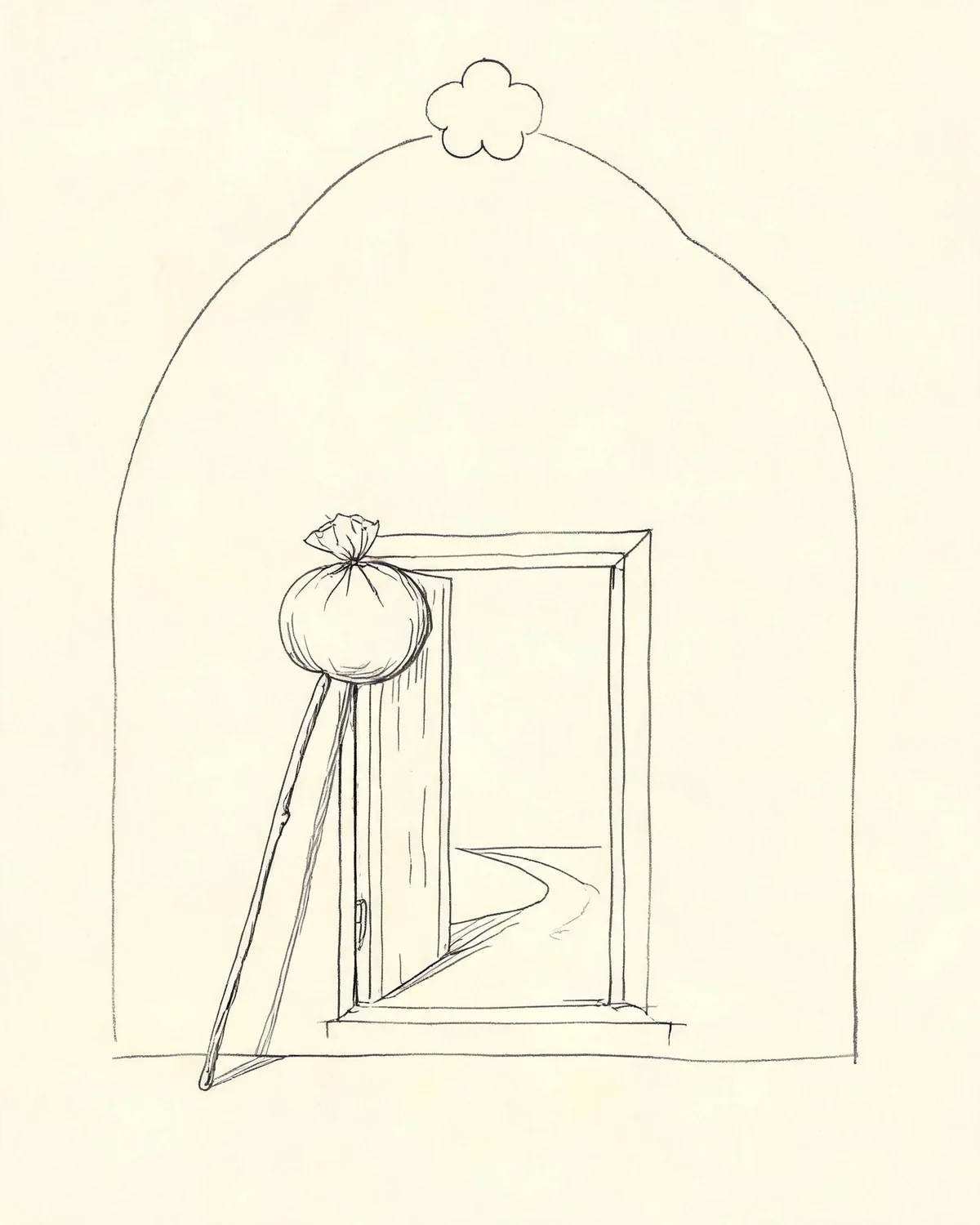
A dusty road leads away from a house you know, the light is changing, and you are walking toward a place you have only heard about. Christianity is soaked in journeys, from the first patriarchs to the missionary voyages of the early church, so a travel dream rarely reads as neutral here. The questions are where you were heading, why you set out, who walked with you, and whether the road led toward something sacred or away from it.
On this page
- Key takeaways
- What Travelling Means in Christian Dream Interpretation
- How Christian Dream Interpretation Reads Dreams
- Core Principles
- How the meaning changes
- Common Symbols Paired with Travelling
- How This Tradition Differs from Others
- What Is the Biblical Meaning of an Airport in a Dream
- What Does a Travelling Bag Mean in a Christian Dream
- What Does It Mean When You Can't Reach Your Destination in a Dream
- What it is not
- FAQ
- How to Use These Readings Today
- Related symbols

Key Takeaways
- Christian imagination reads life itself as a pilgrimage, so a dream journey often touches on where your whole life is going.
- Many travellers in the Christian story set out because they were called, and a dream may raise the question of what is calling you now.
- Journeys can lead away from God as well as toward him; flight and return are both part of the tradition's map.
- Strangers and dangers on the road are read as places of testing and, sometimes, of unexpected grace.
- Being unable to arrive is a familiar Christian theme and is often read as formation rather than failure.
- Christian readers weigh a vivid travel dream through prayer, wise counsel and its effect on daily life.
What Travelling Means in Christian Dream Interpretation
The deepest Christian reading is pilgrimage. Long before the word was common, the image of life as a journey toward a holy goal shaped how believers saw themselves: travellers passing through, headed for a home beyond this world. A pilgrim is always on the move, yet always oriented by a fixed destination. A travel dream can ask whether you sense that orientation in your life right now, or feel you are simply covering distance.
Travel is also tied to calling. Most of the great journeys in the Christian story begin with an invitation: leave your country, go to a city, cross the sea. In that light, a dream of setting out may reflect a summons you are beginning to hear, toward a new work, a relationship, or a deeper kind of trust.
Direction matters as much as motion. Christian storytelling includes journeys of flight, rebellion and running from God, and it treats where, how and why people travel as a window onto their spiritual state. A dream in which you hurry away from home under a cloud reads very differently from one in which you walk toward a lit doorway.
Finally, the road is where people change. Travel stories in this tradition are full of danger, testing and encounters with strangers, and they almost always leave the traveller altered. A dream journey may mirror a season in which your character is being stretched by circumstances you did not choose.
How Christian Dream Interpretation Reads Dreams
Christian thought has long held that God can speak in the night, and several of its most important dreams happen on the road. A young man fleeing his family sleeps in the open and dreams of a stairway between earth and heaven. A father is warned in a dream to take his family and flee. A missionary sees a stranger in the night begging him to cross over and help. Travel and dreaming are tangled together from the start.
That history does not make every journey dream a message. Early Christian writers sorted dreams by source, allowing that some came from God, some from hostile spirits and many from the soul's own workings, and later church teachers grew wary of reading too much into them. The tradition's habit is discernment: testing a dream against faith, character and its effect on you.
In practice, a Christian reading of a travel dream asks a few concrete things. Does the dream echo a known journey of faith, such as a call, a flight or a return? Does it leave you more willing to love and obey, or more anxious and self-absorbed? And what do trusted people who know your life make of it? A dream that only repeats next week's holiday plans may simply be your mind packing in advance.
Core Principles
Every road has a direction. A journey assumes both a place left behind and a destination ahead. In Christian reading, the first question is not how far you went but which way you were facing. Toward home, toward a holy place, toward a person you love, or away from something you could not bear to face.
How you travel shows your state. Walking, running, being carried, travelling heavy or light: the manner of the journey says something about the traveller. Christian storytelling treats hurried flight, aimless meandering and steady walking as distinct spiritual conditions, and a dream's pace and posture deserve as much attention as its scenery.
Testing belongs to the journey. The great travel stories of this tradition are rarely smooth. Young men thrown out into the world face ordeals and setbacks before finding reunion and prosperity. A difficult dream trip need not be a bad omen; it may be the part of the story where endurance and trust are being formed.
Movement is normal. The Christian imagination pictures life as dynamic, never quite standing still, with each choice adding to a larger pattern. A travel dream may simply reflect that you are in motion, between stages, and invite you to notice the pattern rather than fear the motion.
What Changes the Reading of Travelling
Small details of a dream journey can place it in very different parts of the Christian story.

Leaving home in answer to a call
If you dreamed of packing up and heading somewhere unknown because you had to, the scene echoes the patriarch told to leave his country and his father's house for a land he would be shown. Christian readers notice the mix of fear and trust in such dreams. The question is less whether to move house and more what familiar security you are being asked to loosen.
Running away from something
Fleeing down a road, hiding at stations or slipping out at night recalls the tradition's guilt-haunted travellers: a young man escaping his brother's anger, a prophet boarding a ship to get away from his task. These are journeys away from something unfaced. The dream may be asking what you are avoiding, and whether it is following you anyway.
Walking with a stranger who seems to know you
Two disciples once walked a road with a man they did not recognize, who explained what had baffled them and was only known for who he was later. A dream companion who is unfamiliar yet strangely comforting can carry that echo. Notice what the stranger said, and what you understood only after waking.
Being warned to take another road
In one of the tradition's best-known dreams, a man is warned to take his wife and child and flee to another country. Dreams of a voice or sign telling you to change route belong to this family. Christian reading treats them seriously but slowly: test the impulse in prayer and conversation, and look for wisdom in it rather than alarm.
Wandering with no route at all
Drifting from place to place without a destination draws on two strands. The first wanderer in the story is a man driven out after doing wrong, and wandering often stands for straying. Yet the patriarchs also lived as wanderers by faith, never settling. Ask whether your dream's aimlessness felt like loss or like trust without a map.
Being robbed on the road, or helped
A traveller attacked by robbers and left by the roadside, then rescued by an unlikely passer-by, is one of the most famous Christian stories. Dreaming of being robbed or stranded may reflect a sense of being stripped of something on your way. If someone stopped to help, consider who has recently shown you care you did not expect.
A rough crossing by sea
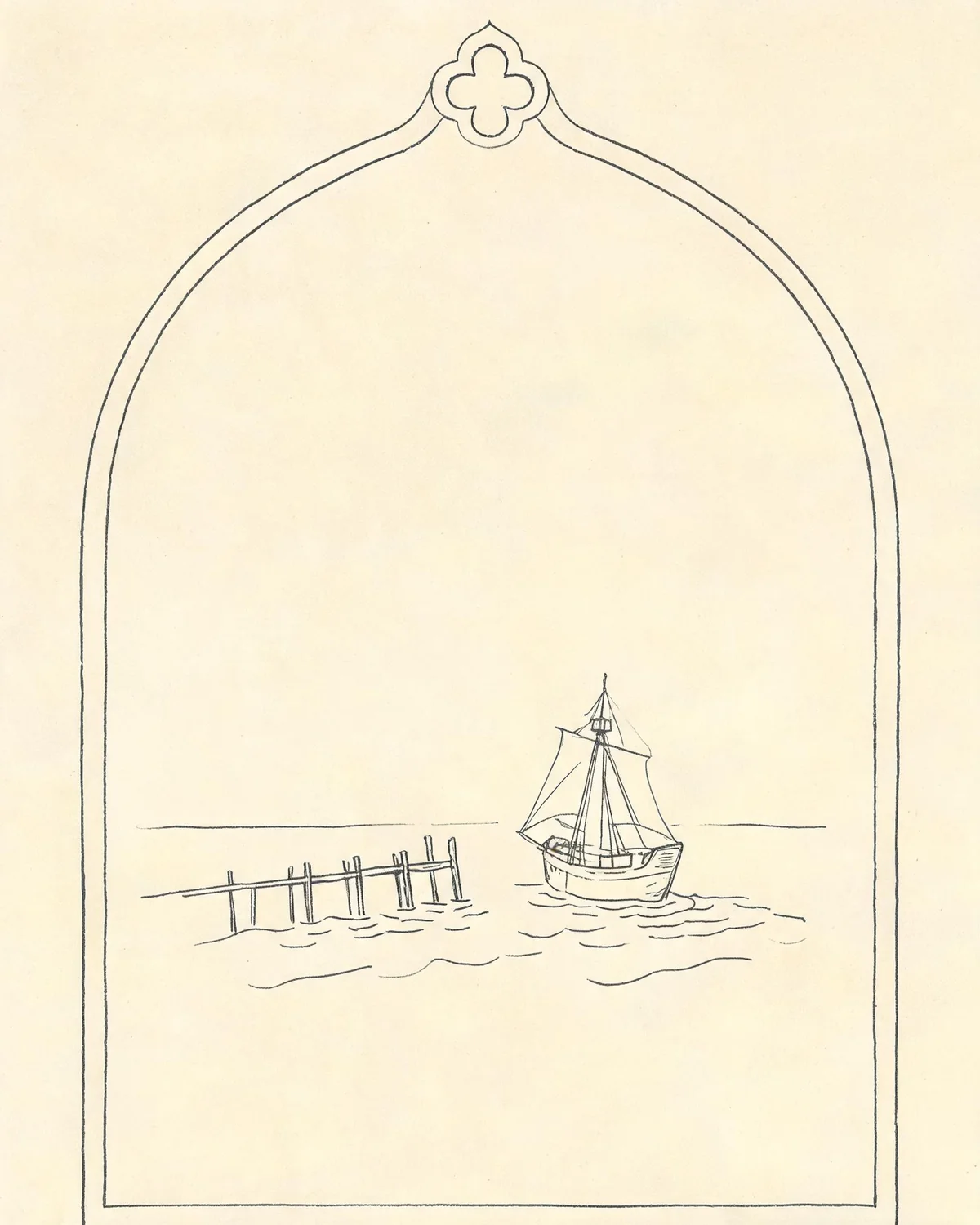
The early church's great missionary journeys included storm and shipwreck, yet the account ends with every passenger reaching land safely. A dream of a frightening voyage can hold both the terror and the outcome. The Christian reading asks what storm you are crossing now, and whether you can trust that the vessel, or the community around you, will hold.
Coming home after a long time away
The parable of the lost son ends with a journey home, rehearsed apologies and a father running down the road to meet him. If you dreamed of returning to a childhood house, a church or a family you have drifted from, the scene may be about reconciliation. Notice who came out to greet you, and whether you let them.
Common Symbols Paired with Travelling
A road or highway. The path is one of the tradition's richest images, appearing hundreds of times as a picture of how a life is conducted. A highway in your travel dream draws on that: choices of direction, safe or foolish turns, the risk of getting lost and the hope of arriving. A straight, well-marked road reads as clarity of conduct.
A desert. The nation's long journey through the desert was both a rescue and a testing ground, full of complaint, provision and slow formation. A travel dream that crosses barren ground often belongs to a season of stripping back, where you depend on what is given rather than what you can store.
A mountain. Pilgrims sang as they went up to the holy city for the festivals, and the ascent itself became a picture of drawing near to God. Climbing a mountain on a journey can point to effort spent in worship or toward a goal that matters more than comfort.
Bread. Travellers in the wilderness were fed with bread from heaven, and meals on the road recur through the Christian story. Bread shared on a journey suggests provision for the next stage and the companionship that makes a long road bearable.
How This Tradition Differs from Others
Every tradition notices journeys, but Christianity is unusual in treating the whole of life as one. Its founding stories are, in large part, travel stories, and the believer is pictured as a pilgrim and sojourner whose true home lies ahead. A dream journey is therefore easily read against the arc of a life rather than a single trip.
Classical Islamic dream interpretation gives the road a strong moral reading as well, treating a straight road as the right path and a fork as wavering, and it pays close attention to debts, provisions and the return home. Older Greek dream interpretation was more practical still, reading many dreams for people planning to travel abroad and asking whether a trip would succeed.
The Christian emphasis falls on calling, encounter and change. Travellers in this tradition are usually on the move because they were summoned, and the road is where they meet God, strangers and themselves. That focus does not make other readings wrong; it simply starts from different stories.

What Is the Biblical Meaning of an Airport in a Dream?
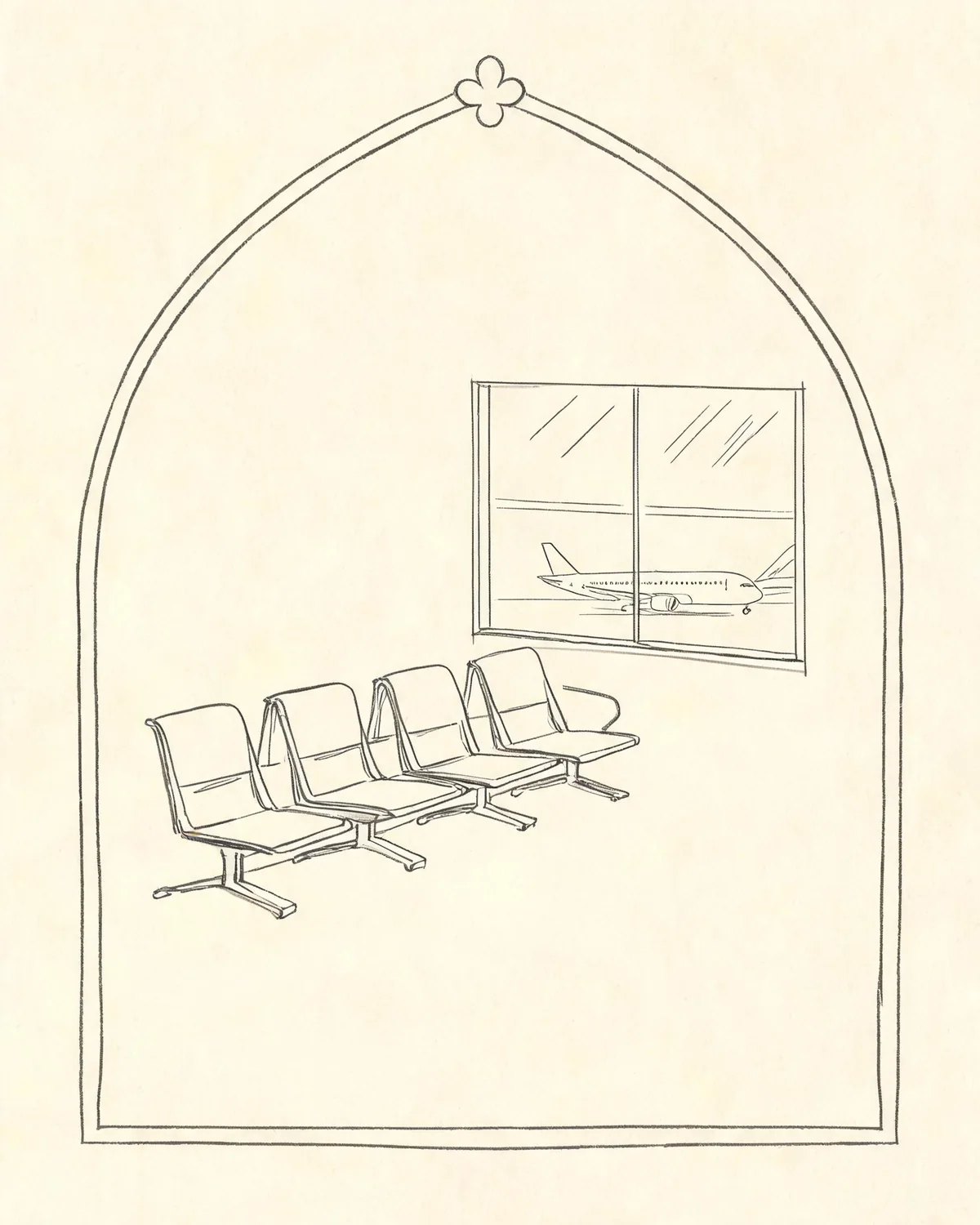
Airports did not exist in the ancient world, but the Christian imagination has a clear vocabulary for the places between departure and arrival. A journey is an image of transition, a time of being uprooted and detached from ordinary comforts. An airport compresses that into one building: you have left, but you have not yet gone.
Dreams set in terminals often carry the mood of waiting. You check boards, stand in queues and wonder whether your flight will be called. Christian readers might connect this with seasons of waiting on God, when a direction has been sensed but not opened. The dream may be inviting patience, or asking whether you are waiting for permission you already have.
Specific details help. Missing a flight can mirror fear of missing an opportunity or calling. Being stopped at security can reflect the sense that something you carry is holding you back. Boarding with calm reads as readiness to commit. Ask which gate you were at and how you felt as the doors closed.
What Does a Travelling Bag Mean in a Christian Dream?
A bag carries what you think you will need on the road, and Christian reading notices how much. The tradition pictures the traveller as someone loosened from earthly goods, and it remembers a teacher who walked from village to village without a settled home, relying on hospitality. A light bag in a dream can therefore suggest freedom and trust.
An overpacked suitcase points the other way. Struggling with heavy luggage, refusing to put anything down, or missing a journey because you are still packing can reflect attachments that slow you: possessions, roles, grudges or anxieties you carry just in case.
Losing your bag is a sharper image. It may feel like loss, but it can also be read as being stripped down to what really matters, a theme Christian writers return to often. If you dreamed of searching for a lost bag, ask what you would genuinely miss and what you might be relieved to travel without. If the bag held something precious, notice what it was.

What Does It Mean When You Can't Reach Your Destination in a Dream?
Dreams of never arriving are frustrating: roads that loop back, transport that never comes, a city always just over the next hill. Christian tradition knows this experience well. The patriarch who set out at a call lived and died a wanderer, his quest never completed in his lifetime, and his faith was praised precisely for that.
The nation's forty years in the wilderness add another angle. Their delay was linked to complaint and disobedience, yet it was also the time in which a people was formed. A dream of endless travel may be prompting honest self-examination, but it may equally reflect a long formation that cannot be rushed.
The early missionary journeys offer a third picture. More than once the travellers were prevented from going where they planned, and only then did a night vision send them in a new direction. If your dream keeps blocking one route, ask whether another road has been quietly opening. Sometimes the closed door is part of the guidance.
What This Dream Is Not
A travel dream is not a divine instruction to quit your job, end a relationship or move abroad. Even in a tradition full of guiding dreams, Christian discernment has always involved prayer, the church's teaching, community and time, and it treats sudden certainty with caution. Nor can a frightening journey tell you that harm is waiting on the road.
It is also not a measure of your standing before God. Dreams of being lost or running away can surface in the lives of deeply faithful people, and they often reflect ordinary stress, change and fatigue. What a travel dream can offer is a set of honest questions about direction, calling and companionship, to be carried into prayer.
FAQ
What is the spiritual meaning of travelling in a dream?
In Christian reading, travel usually points to the journey of faith: movement toward or away from God, a call being heard, or a season of transition. The dream invites you to notice your direction and what draws you forward.
Is a travel dream a good or bad sign in Christianity?
Neither label applies on its own. Peaceful journeys toward a clear destination tend to feel encouraging, while flight or danger carries a heavier tone. The effect the dream has on your love, trust and courage matters more than the scenery.
Can a travel dream be a message from God?
The tradition affirms that God has used dreams to guide travellers, but it teaches that most dreams have ordinary sources. Pray about a striking dream, talk with wise people, and see whether its direction bears good fruit before acting.
What does travelling alone mean in a Christian dream?
Solitary journeys in the tradition often become places of encounter. A young man fleeing home alone slept under the sky and dreamed of heaven opening. Travelling alone in a dream can suggest a stretch of life where you meet God without the usual supports.
What does travelling with family mean in a Christian dream?
The patriarchs moved as households, and the exodus was the journey of a whole community. A family trip in a dream can reflect shared decisions, the strain of moving together, and the hope that the people you love are heading toward the same promise.
What does travelling on foot mean in a Christian dream?
Walking was the ordinary mode of travel in the ancient world, and Jesus travelled on foot from town to town. A dream of walking can suggest an unhurried, steady pace of faith, or a sense that progress is slower than you would like.
What does moving to a new city mean in a Christian dream?
Several figures in the story move for love or loyalty, like the widow who followed her mother-in-law to a foreign town. Dreaming of a new city may reflect a change driven by commitment, and asks what loyalty or love is shaping your next step.
What does travelling by car mean in a Christian dream?
Christian sources predate cars, but the image of the path still applies. Notice who is driving, whether you chose the destination and how safe you felt. Being a passenger can point to trusting another's direction; driving, to responsibility for the route.
What should you do after a vivid travel dream?
Write down where you were going, who was with you and how it ended. Bring that to prayer for a few days, and talk it through with someone you trust before treating it as guidance for a real decision.
How to Use These Readings Today
Start by naming the journey. In a sentence, write what kind of trip it was: a call, a flight, a pilgrimage, a wandering, a return. Then write which direction you were facing, toward something or away from it. That one line often clarifies more than the details.
Next, find the part of your waking life that matches. Where are you in transition at the moment, and what has been stirring you to move or to stay? If the dream had a companion, ask who in your life plays that role. If it had a blockage, ask where a door has closed recently.
Finally, take one small step that fits. If the dream felt like a call, spend ten minutes in prayer each day this week with that single question. If it felt like flight, name one thing you have been avoiding and take a first, small action toward it. If it felt like a return, send the message you have been postponing.