What the Afterlife Symbolizes in an Islamic Dream
The afterlife in an Islamic dream is a symbol, not a report. It may appear as a peaceful garden, a threshold, a light or a conversation with someone remembered, and the tradition treats such images as reflections on continuity, accountability and hope. A dream does not disclose what happens after death, where anyone will go or what anyone's fate will be.
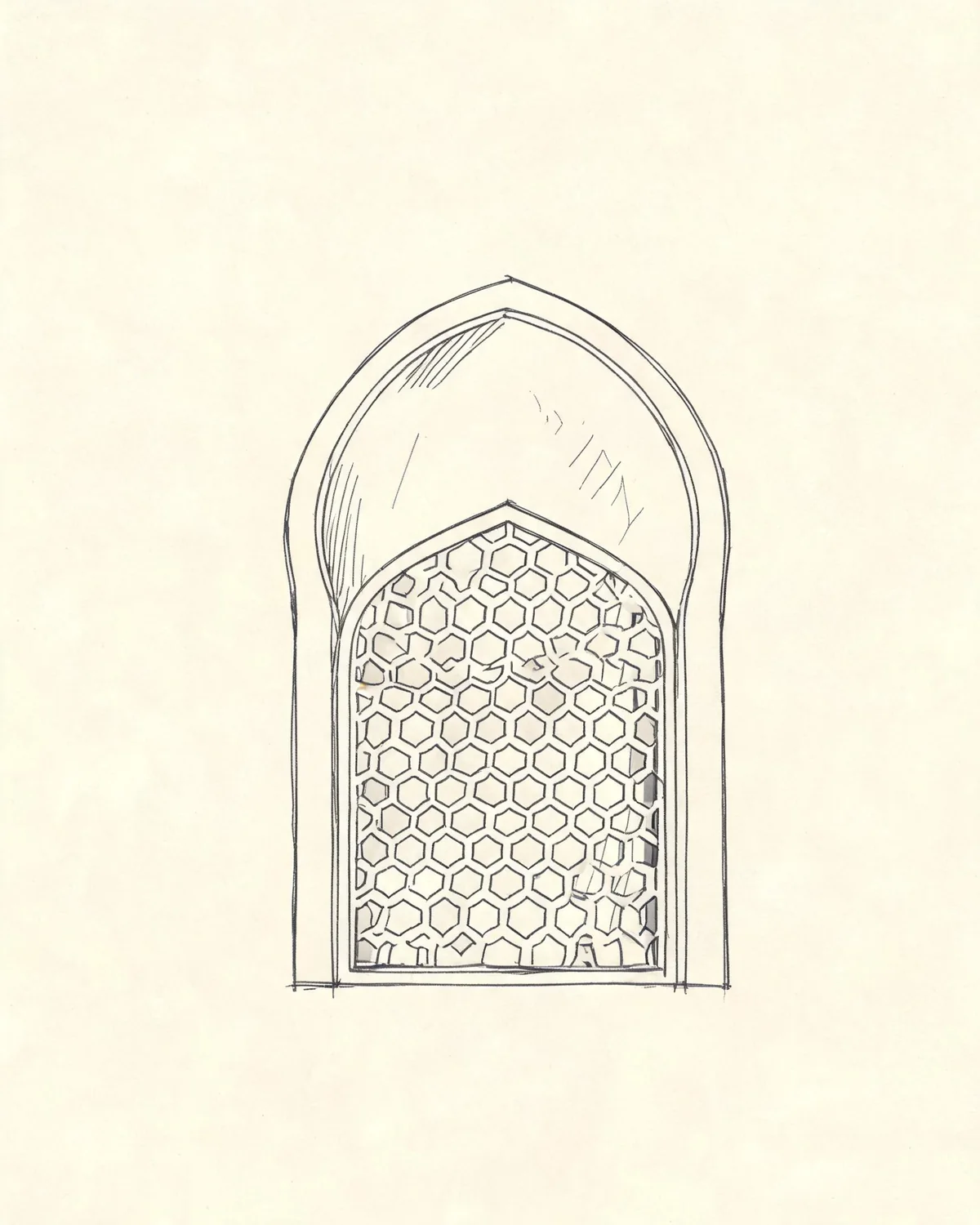
What It Means When You Dream of the Afterlife
An afterlife dream often turns on continuity. You may be trying to hold onto a memory, make sense of a loss or ask what outlasts an ordinary life. The image can express a wish for meaning beyond the visible, without settling any question about what is actually true.
The dream also carries accountability. Images of a garden, a gate or a meeting can bring up questions about how a person has lived, what they regret and what they want to pass on. This is symbolic reflection, not a verdict.
Why This Dream Shows Up Now
Afterlife dreams often appear around memory, anniversaries, a loss or a period when you are asking what your life is for. The dream may be responding to grief, curiosity, religious reading or a wish for reassurance.
How the Meaning Changes
The scene and your feeling give the image its direction.
A peaceful garden
A garden can picture rest, continuity and a hope that is not tied to a timetable.
A threshold or door
A threshold can mean transition, a boundary or a question about what lies beyond.
A conversation with someone remembered
A remembered person can bring memory and unfinished feeling into the dream. This does not mean you have received a message from the afterlife.
How Islamic Tradition Reads This Dream
Islamic tradition holds an afterlife, but it does not treat a dream as evidence about it or as a disclosure of anyone's fate. Dream material in the tradition is more often read as a mirror for a person's conduct, hope and need for patience. A garden or a threshold can be a symbol of what you value, not a map of what comes next.
The tradition also warns against using dreams to make claims about other people's standing or to frighten you with claims about the future. A responsible reading stays humble: it may notice hope, memory or accountability in the image, but it does not say who will be rewarded, who will be punished or what happens after death.
Making Sense of It for Yourself
Begin with the feeling of the scene rather than its apparent subject. Peace, fear, longing or curiosity each point to a different need. Then ask what you have been remembering and what you would like to live differently now. A garden may invite care; a threshold may invite courage; a remembered conversation may invite a letter or a quiet act of forgiveness.
The dream is not a premonition and does not give information about death or the afterlife. It becomes useful when it turns you toward the present: what matters, what needs to be said and how you want to treat the people around you.
FAQ
What does the afterlife mean in an Islamic dream?
The afterlife in an Islamic dream is usually a symbolic image of continuity, memory, accountability and hope. It is not treated as evidence about what happens after death or as a disclosure of anyone's fate.
Does a dream about the afterlife predict a death?
No. The dream is not a death prediction and should not be read as a warning about anyone. It is a picture of what you are thinking or feeling, often around memory, loss or meaning.
Can a dream reveal where someone went after death?
It does not. A dream cannot establish the fate of a person who has died, and the tradition does not treat such an image as a verdict. The dream may carry memory and love, but it does not provide information about the afterlife.
What does a garden or threshold mean in this kind of dream?
A garden can suggest rest and continuity, while a threshold can suggest transition or a boundary. These are symbolic scenes that help a person reflect; they do not describe a literal place or a promised future.
How should I use an afterlife dream?
Treat it as a chance to reflect, not a forecast. Notice what you remember, what you value and what you want to say or repair now.