Drowning in Islamic Dream Interpretation
Water closes over your head, your arms find nothing to hold, and the surface seems impossibly far away. Classical Islamic dream reading treats drowning as one of its most morally weighted water images, and it reads the scene through a handful of details: how deep you went, what kind of water held you, who or what reached you, and whether you came back up before you woke.
On this page
- Key takeaways
- What Drowning Means in Islamic Dream Interpretation
- How Islamic Dream Interpretation Reads Dreams
- Core Principles
- How the meaning changes
- Common Symbols Paired with Drowning
- How This Tradition Differs from Others
- What Does It Mean to Survive Drowning in a Dream in Islam
- What Does It Mean to See Someone Else Drowning in Islam
- Does It Matter Whether You Drown in the Sea or in Fresh Water in Islam
- What it is not
- FAQ
- How to Use These Readings Today
- Related symbols

Key Takeaways
- Older manuals read drowning first in moral and spiritual terms, as being overwhelmed by wrongdoing or worldly distraction, rather than as a literal danger.
- Coming out of the water alive is one of the most hopeful turns in the image, linked to amending your life.
- Seawater and fresh water carry different readings, and the sea itself often stands for power and authority.
- A ship, a plank or another person reaching you changes the reading toward escape and help.
- Mud, floods and clear water each shift the emphasis, from distress to protecting your household to a pleasant surprise.
- The tradition answers a frightening water dream with repentance, prayer and practical care, not with dread.
What Drowning Means in Islamic Dream Interpretation
Islamic dream interpreters read drowning first in a moral key: to drown is to be pulled under by wrongdoing and to fall out of God's pleasure, and older readings tied a dream in which you go under completely to the danger of drifting from faith or following innovations in religion. A present-day reading keeps the shape of that idea without the alarm: the image asks where you feel in over your head, and whether something you have allowed has grown deeper than you meant.
A second thread concerns the world: struggling in deep water while trying to save yourself was read as being absorbed in worldly business at the cost of spiritual commitment, and yet the same struggle was also read as success and a firm foothold in your work. The two readings sit together, which is typical of this tradition: busyness can be both achievement and distraction.
Power is the third thread. Classical manuals read the sea, and agitated water generally, as the authorities or the state. Drowning in such water can therefore picture being overwhelmed by an institution, an employer or a person whose decisions you cannot control.
Return is the fourth thread. Drowning is not the end of the story in these readings. Rising out of the water, being pulled out by a ship, or finding a way back to land each reverse the image, and those reversals carry as much weight as the fall.
How Islamic Dream Interpretation Reads Dreams
Islamic dream reading begins with the kind of dream it is dealing with. A true dream is received as good tidings from God, a frightening dream may come from Satan, and many night images are the speech of the self, made from worries, food and the events of the day. A drowning dream after a week of deadlines or a frightening day at the beach is first heard as the self speaking.
When a drowning dream is weighed as meaningful, the interpreter asks about you before the water. A trader, a scholar, a traveller by sea and a person in conflict with a superior will each hear the dream differently, because the sea's link to authority and wealth falls differently on each life.
The interpreter then looks at the water itself. Its saltiness or sweetness, its clarity, whether it was a river, a lake, a flood or the open sea, and whether it was calm or troubled are all part of the vocabulary. Troubled water in particular is read as adversity.
Last comes the ending. The question is whether you were saved before waking, dragged to shore, left floating or sent to the bottom. In this method, the last image of a drowning dream often matters more than the terror of the middle.
Core Principles
Depth measures the weight. Floating, sinking a little and plunging to the seabed are three different readings. The deeper you go, the more serious the pressure the dream describes, and the more the reading turns toward something you need to address rather than simply endure.
The kind of water changes the message. Salt water, fresh water, clear water and muddy water are read differently, and the sea carries associations of rulers and states that a pond does not. Before interpreting anything else, it helps to name the water precisely, including its color, its taste if you noticed it, and how fast it moved.
Help in the dream is part of the reading. A ship that pulls you out, a plank you hold or people who carry you to dry land shift the dream toward escape and recovery. Even help that leaves you under someone else's authority is read as survival first.
The moral reading points to repair. When the manuals read drowning as being overwhelmed by wrongdoing, the expected response is repentance and a change of course, not fear. The image is read as an invitation to climb out, and coming out alive is described as amending your life for the better.
What Changes the Reading of Drowning
These are the scenes older manuals and present-day readers separate most often, each with its own emphasis.

Struggling to Stay Afloat
Keeping your head above deep water while you thrash to save yourself has a double reading. It can picture being swallowed up by work and worldly concerns until spiritual commitments slip, and it can also picture real success and a strong foothold in your trade. The dream may be asking whether your effort is building something or simply keeping you from looking up.
Sinking All the Way to the Bottom
Going down until you reach the seabed is one of the heavier images. Older readings linked it to falling foul of a person in authority who would press hard against you, a reading that follows from the sea standing for power. Read today, it can describe feeling crushed by a system or superior, and it asks where you might find an ally.
Holding On to Wreckage
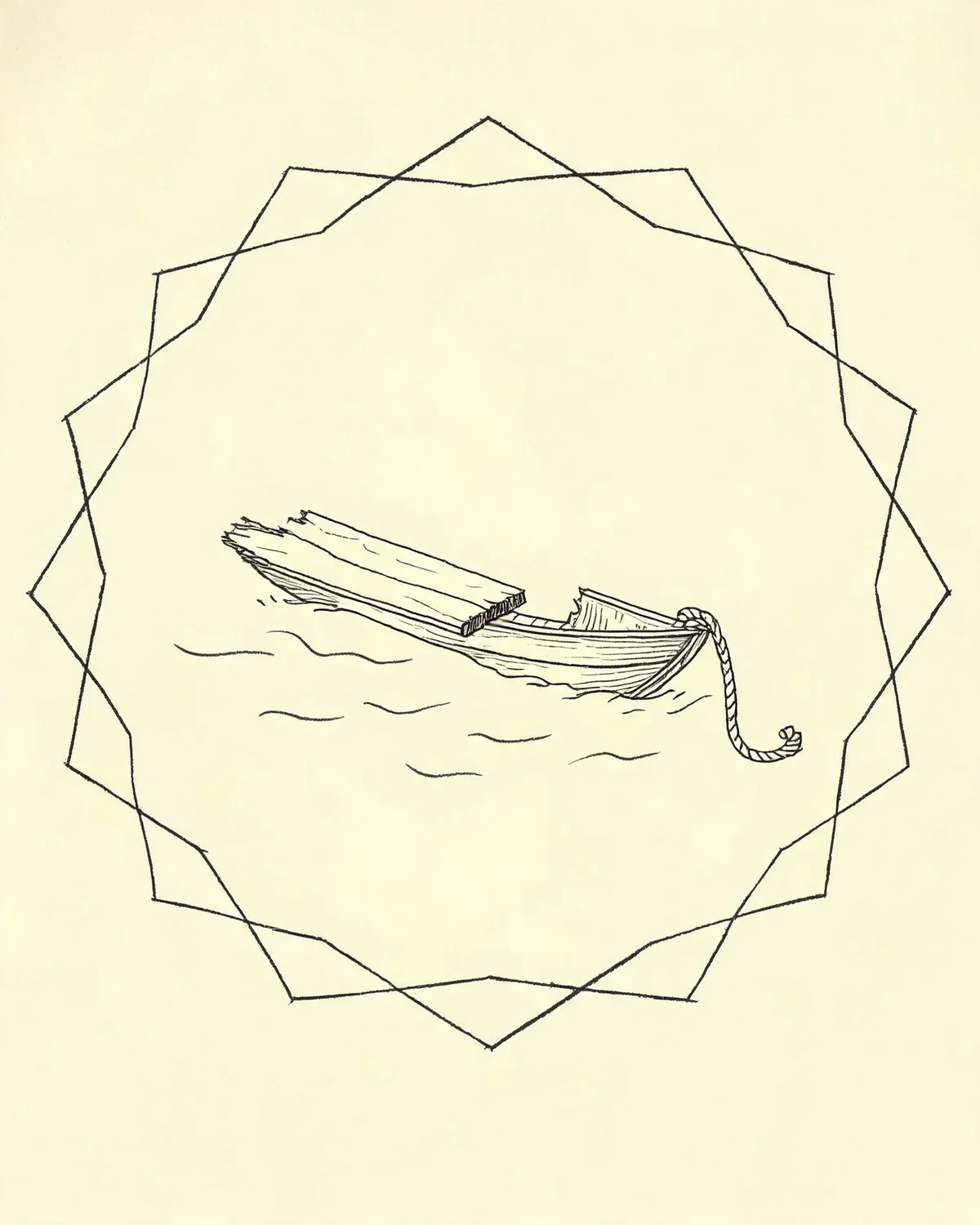
Floating in the water while clinging to a plank or a piece of a wrecked boat was read as facing the anger of someone in authority, with the loss of a post for a leader or a hard financial blow for a merchant. Yet you are still holding on. The image describes a setback that leaves something to grip, not a total loss.
A Ship Sinking and Another Coming to Help
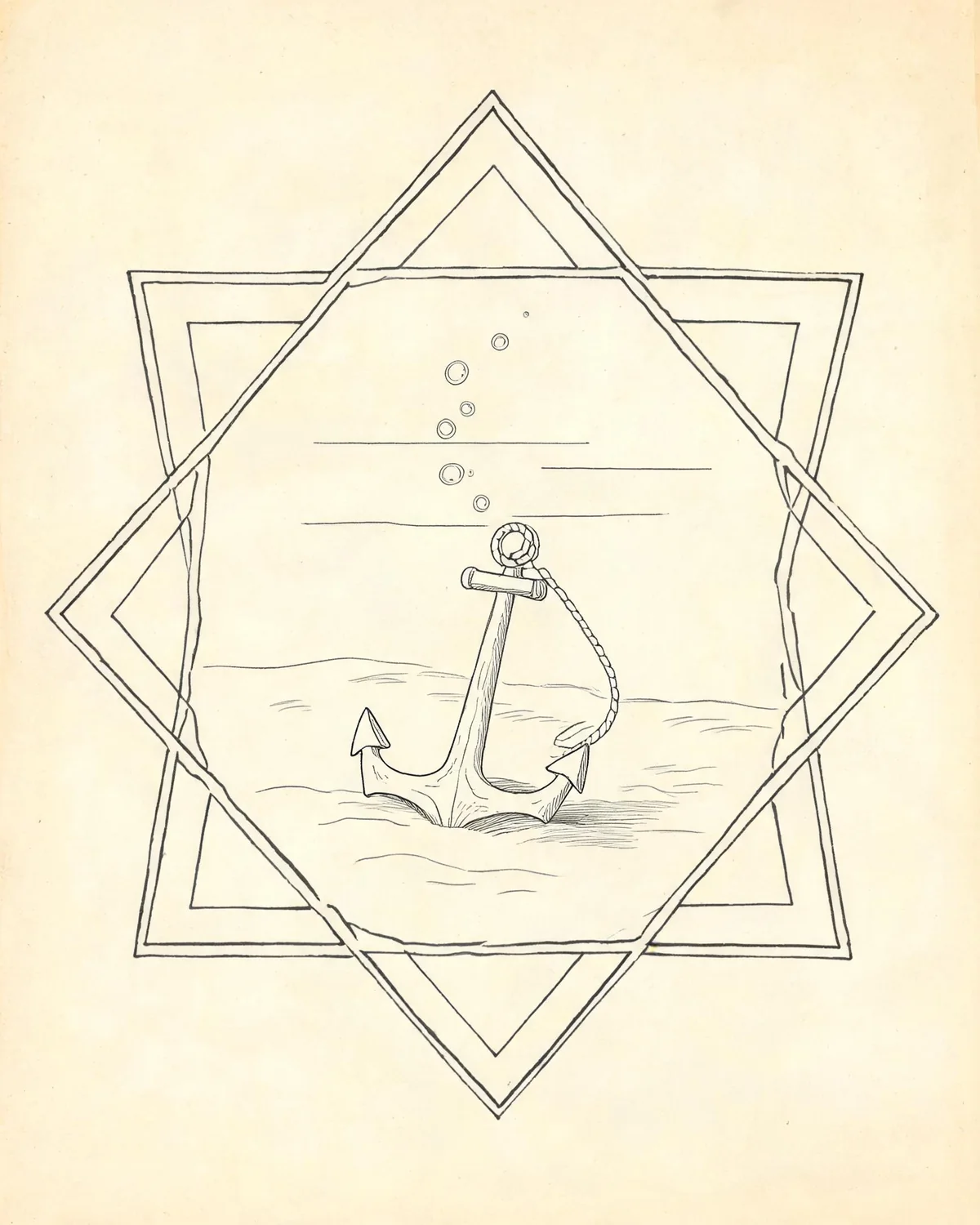
If your own ship goes down and a second vessel rescues you, older readings speak of escaping a great danger only to come under the protection of a strong person. A hole in the ship that lets you out was read as an escape from drowning itself. Both images point to help arriving through someone else's strength, and to the value of accepting it.
A Flood Entering the House
Floodwater rushing toward your home is read as an attack by an enemy or a wave of harm, and fighting to keep it out of the house as defending your family and property. If the water drains toward a river, older readings saw escape from a dangerous opponent. Ask what is pressing against your household and who you are protecting.
Sinking into Mud or Mire
Getting stuck or sinking in mud rather than open water is read as fear, distress and difficulty, and walking out of the mire as recovery. The image is slower and heavier than drowning, more like being bogged down than swept away. It often fits a season in which problems are sticky rather than sudden.
Falling or Being Pushed into Clear Water
Not every plunge is a threat. Being pushed into a pond or river of clear water was read as a pleasant surprise, and falling into water more generally as happiness, joy or blessing. If the water was clean and you could breathe or stand, the dream may be about being moved, perhaps by someone else, into something good you did not plan.
Common Symbols Paired with Drowning
Swimming and crossing water. Swimming successfully across troubled water is read as overcoming adversity, while troubled water itself means hardship. A dream that begins with drowning and ends with swimming, or the reverse, shows the struggle shifting in one direction or the other.
Waves and high tides. Swimming against high tides or rough water is read as facing adversity or a strong opponent. Paired with drowning, waves describe the force of the pressure rather than its source, so the question becomes how long the rough water lasted and whether it calmed before the dream ended.
Boat and the ark. The ark of Noah is read as salvation, relief from worry and protection against drowning, and seeing that prophet aboard a ship as the vessel and all its people being saved. A boat appearing near you in a drowning dream therefore leans toward rescue, especially if it is large, steady and welcoming.
Mountain and high ground. A ship resting on a mountain is read as safety, escape from danger or protection from an enemy. If your drowning dream ends with you on a hill or a mountainside, the image moves from overwhelm to refuge, and the high place is worth asking about in waking terms.
How This Tradition Differs from Others
Many present-day dream guides read drowning almost entirely as emotional overwhelm: too much stress, feeling flooded, needing a break. Islamic interpretation shares that sense of being overwhelmed, but it adds a moral and spiritual layer, asking whether the water is wrongdoing, worldliness or the pressure of an authority.
Psychological readings often treat deep water as the unconscious and drowning as being swamped by inner material. Classical Islamic manuals look outward more readily: the sea stands for the state or the powerful, a flood for an enemy, a rescuing ship for a strong patron. The dream is read socially as well as inwardly.
Christian readings commonly set drowning beside biblical stories of floods, storms at sea and baptism, reading the water through narratives of judgment and rescue. Islamic manuals work more like a detailed lexicon, attaching distinct outcomes to salt water, fresh water, mud, wreckage and rescue.
The tradition is also notable for the number of hopeful turns it builds into a frightening image. Coming out alive, being saved before waking and drowning in seawater all carry positive readings. That habit of reversal keeps the reading from collapsing into simple fear. These approaches do not need to be ranked; each looks at the same dream from its own vantage.

What Does It Mean to Survive Drowning in a Dream in Islam?
This is the question many readers ask after waking with relief, and the tradition's answer is largely hopeful. Coming out of the water alive was read as amending your life for the better and returning to the right course in your religious life. If you emerge wearing a green garment, older readings added that you would pursue knowledge and succeed in it.
Being saved from drowning before you wake was read as triumphing over your trials. Being reached by a ship that pulls you out, or grabbing hold of one, was read as escaping adversity. A more mixed version appears when you are drowning in a river or lake and others carry you to the bank, where you lie motionless like a landed fish: this was read as trials and hardship rather than an easy escape.
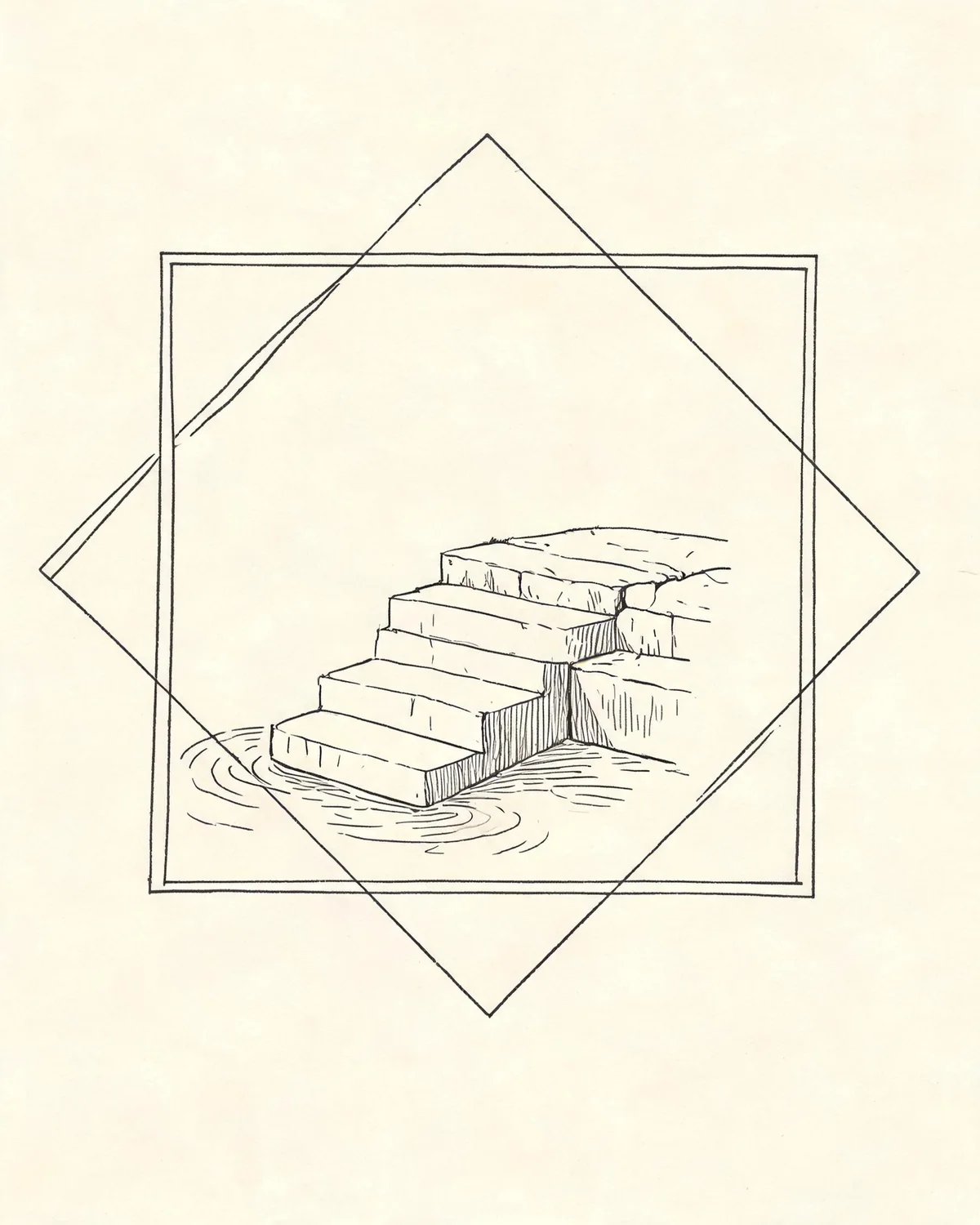
So the shape of the rescue matters. Climbing out yourself suggests your own repentance and effort; being lifted out by others suggests help and community; lying still on the shore suggests that recovery will take time.
What Does It Mean to See Someone Else Drowning in Islam?
Watching another person go under is a frightening variation, especially when it is a child, a relative or a friend. Classical manuals say relatively little about rescuing someone else directly, but the logic of the tradition is to read the other person as part of your own situation or concerns. A familiar face in trouble often reflects your worry for that person, or something in your shared life that feels out of control.
One modern consultation recorded in Muslim communities shows how this can be read gently. A man dreamed of standing safely on a dam while young people played in huge waves he feared would swallow them; the response read the dam as a barrier that protected him from being drawn into a life of distraction.
If you rescue the person in the dream, the ship imagery offers a frame: the one who brings another out of the water acts as the strong helper. Seeing someone who has passed away drowning was read in older manuals as a call to look at your own conduct, not as news about the deceased.

Does It Matter Whether You Drown in the Sea or in Fresh Water in Islam?
It matters a great deal in classical readings, which give the type of water its own meaning. Drowning in seawater was read as a revival of faith in God, one of the more surprising reversals in the whole vocabulary. Drowning in fresh water was read as becoming very wealthy, a sign of abundance rather than loss.
The sea also carries the association of authority. Because any sea or agitated water was read as the rulers or the state, a dream of drowning in the ocean can point to entanglement with powerful people or institutions, while a river or lake draws the reading toward trials closer to home.
Clear and muddy water add another layer. Clean water tends to soften the reading, and murky or troubled water deepens it. When you recall a drowning dream, try to name not just the place but the taste, color and movement of the water, since each of those details was read as part of the message.
What This Dream Is Not
A drowning dream is not a forecast that you or anyone you love will come to harm in water, and it says nothing certain about health or the length of a life. It is not a verdict that you have sinned beyond repair, since the same manuals that read drowning morally put great weight on coming back to the surface. Nor is it a reason to avoid the sea, swimming or boats, or to treat the next stretch of water as a threat.
The images belong to a symbolic vocabulary about pressure, faith and help, and they are best used to look honestly at where you feel overwhelmed. If you wake gasping or with your chest tight, take that seriously in its own right. A dream is not a diagnosis. If you have real symptoms, speak with a qualified professional.
FAQ
What does it mean to drown in a swimming pool in an Islamic dream?
Older manuals read a pond or pool as a generous, influential person, and washing for prayer in one as escaping danger. Going under in a pool can therefore point to feeling out of your depth with someone whose goodwill you depend on.
What does it mean to drown in a car underwater in a dream?
A car was read as a person who manages life well, its many parts working together, and for a traveller as a journey slowed down. A car going under can picture an organized plan swamped by events; whether you got out matters most.
Is a drowning dream a punishment in Islam?
Classical manuals read drowning in moral language, but they treat it as a call to change course rather than a sentence. The same readings promise that coming out of the water means amending your life, which leaves the emphasis on return and repentance.
What does it mean if a child is drowning in my dream?
Many parents and carers read it today as their own love and worry showing up at night, or as something new and fragile in their life that feels threatened. The fitting response is care and prayer, not fear for the child.
What does it mean to fall into a well and drown in a dream?
Falling into a well was read in older manuals as being accused of a wrong you did not commit, and a well itself as confinement or heavy spirits. Drowning there suggests feeling trapped by blame or circumstance rather than by your own choices.
What does it mean to almost drown in a dream?
Nearly going under and then surfacing places the dream closer to the hopeful readings. It suggests a pressure that came close to overwhelming you but did not, and it invites you to notice what or who kept you from sinking.
Can a drowning dream be a true dream?
Interpreters allow for it, though rarely. A drowning dream that stays vivid, orderly and calm in memory may be weighed seriously; one that is jumbled and purely terrifying is usually counted as the self's speech and set aside.
What should I do after a frightening drowning dream?
The traditional advice for a dream that only frightens is to seek refuge in God and not dwell on it or recount it widely. If the dream felt meaningful, share it only with someone trustworthy and knowledgeable, and look calmly at your waking life.
How to Use These Readings Today
First, describe the water before anything else. Was it salt or fresh, clear or muddy, a pool, a river, a flood or the sea? Then note how deep you went and how the dream ended. Those three details carry most of what this tradition reads.
Next, ask where you feel in over your head. It might be work, money, a relationship, a habit you have let grow, or a person with authority over you. Choose the one that best matches the kind of water in the dream, and say plainly to yourself what going under would mean there.
Then take one small step toward the surface. That could be repaying a debt, making an honest apology, cutting back on something that has crowded out prayer, or asking someone strong and trustworthy for help. If the dream left you unsettled, begin with a short prayer for protection and return to it once you feel calm.