Feces in Islamic Dream Interpretation
You are crouched in open country at first light, pressing earth over what you have left behind, or you notice a stain on your clothes in the middle of a busy market. Islamic dream interpreters took this unglamorous image seriously and read it through provision, debts, privacy and speech, and the setting, the act and your feeling on waking decide which of those threads you follow.
On this page
- Key takeaways
- What Feces Means in Islamic Dream Interpretation
- How Islamic Dream Interpretation Reads Dreams
- Core Principles
- How the meaning changes
- Common Symbols Paired with Feces
- How This Tradition Differs from Others
- What Does Passing Stool Mean in an Islamic Dream
- What Does Cleaning Poop Mean in an Islamic Dream
- What Does Animal Poop Mean in an Islamic Dream
- What it is not
- FAQ
- How to Use These Readings Today
- Related symbols

Key Takeaways
- Older Islamic readings treat human waste first as a picture of money: what is earned, spent, owed or put away.
- Relieving yourself is often read as setting down a worry or settling a debt, so the image can carry relief.
- Where the act happens matters as much as the act; a proper washroom reads differently from a market or a bed.
- A public mess moves the reading away from money and toward exposure and careless words.
- Animal dung is judged by the animal and by your trade; what profits a farmer may say little to a shopkeeper.
- Shame or relief on waking is the surest guide to which reading applies.
What Feces Means in Islamic Dream Interpretation
Money is the first thread. In Islamic dream interpretation, human waste stands for wealth in its plainest form: wages, savings, the running costs of a household. The logic is practical rather than crude. Waste is something that leaves you, and money leaves your hands every day, so the older readers asked what was going out, how much and to whom. A solid stool was paired with large sums spent on keeping the body well.
Relief is the second thread. The same manuals read the act of relieving yourself as dispelling worries and putting down burdens, and a visit to the washroom as paying off a debt or meeting an obligation you cannot avoid, such as support owed to your children. Walking out of the washroom after cleansing was read as walking away from a hardship. In this register the dream is less about the substance than about the lightness that follows it.
Concealment is the third thread. Hidden secrets and things held in trust appear among the meanings of waste, and covering it with soil was paired with putting money out of sight. Something private has been stored away; the question is whether it was stored responsibly or buried so that no one, including you, has to look at it.
Conduct and speech form the fourth thread. A mess in public, or on your own clothing, was read through exposure, humiliation and coarse words. Older readings paired soiling yourself with falling into wrongdoing; a present-day reading would ask, more gently, whether something you said or did recently has left a mark you would rather not show.
How Islamic Dream Interpretation Reads Dreams
Interpreters in this tradition sorted dreams into three broad kinds: the speech of the soul, which replays your own preoccupations; disturbing dreams attributed to Satan, meant to frighten or confuse; and good tidings from God. A dream of waste is tested against all three first. If you went to sleep worrying about a bill, or with an unsettled stomach, the image may simply be the soul talking to itself.
When the dream seems to carry more than that, the interpreter turns to the person. The classical method asks about occupation, rank, piety and circumstances, because the same image was expected to mean different things for different people. Dung is read one way for someone who farms, another for someone who trades, and another again for someone weighed down by what they owe.
Place is the third test. The manuals separate relieving yourself in a familiar washroom, in an unknown spot, in open ground, in a marketplace and in bed, and each setting changes whose eyes are on the act. For an image this private, the setting carries much of the meaning.
Finally, the tradition kept an etiquette for dreams that leave you uneasy: do not broadcast them, and share them only with someone wise or someone who wishes you well. An embarrassing dream of waste is exactly that kind.
Core Principles
Direction matters more than substance. Waste leaving your body reads differently from waste arriving on you. Releasing it tends toward relief and spending; being smeared with someone else's tends toward a loan or a favor you will carry for a long time. Ask which way it moved before asking what it was.
Containment sets the tone. A washroom, a covered hole in open ground and a working toilet are places where waste belongs. The same image in a market, in bed or on your clothes has escaped its container, and the reading shifts from money toward exposure and strained relationships.
Your livelihood tells you which economy the dream uses. Dung that signals a harvest for a farmer may mean nothing of the kind for a teacher or a nurse. Older readings were explicit that some meanings apply to one trade only, so fit the image to the way you actually earn a living before going any further.
Lawful and doubtful gain sit side by side. The manuals that read waste as earnings also read some kinds, such as fowl droppings, as money from an unlawful source, and the smell of waste as a fine. The image invites an honest look at where money comes from, not only at how much of it there is.
What Changes the Reading of Feces
Start with the scene closest to your dream rather than blending several.
Covering it with earth in open ground
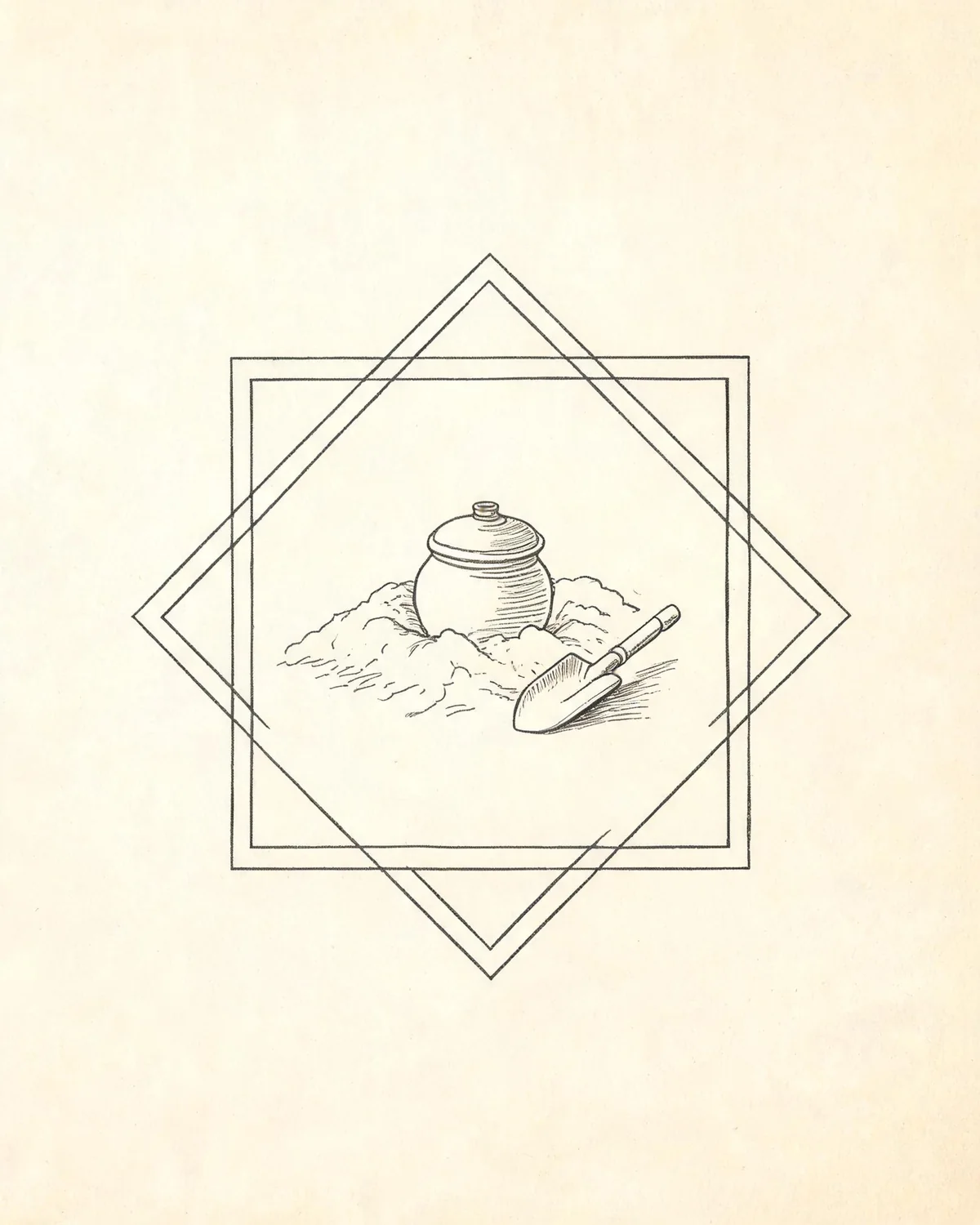
Older readings paired relieving yourself in open country and then covering the waste with soil with hiding money. The image is tidy rather than shameful: something has been put away where no one will stumble on it. A present-day reading might ask what you are holding in reserve, and whether you are saving it wisely or burying it to avoid thinking about it.
Soiling your own clothes
An accident in your clothing is one of the heavier scenes in the manuals, linked with humiliation and with ugly or careless speech. Clothes are what other people see of you, so the stain sits exactly where reputation sits. Rather than taking it as a judgment, you might ask whether a recent word or decision has left you feeling marked in front of people you respect.
An accident in a crowded place
Loose waste in public was read as a caution: take care not to expose yourself, not to become the subject of gossip, not to say things that cannot be taken back. A watery flow was also tied to money running away unchecked. The scene often arrives when you feel one slip away from embarrassment, or when spending has quietly got out of hand.
Stepping in it or walking through it
Walking through waste was read as distress or a low mood, ground that is unpleasant to cross. The direction of travel matters, because leaving a washroom after cleansing was read as walking away from hardship. If you were still wading forward, the dream may picture a stretch you are in the middle of; if you stepped out and cleaned your feet, it leans toward getting clear.
Falling into a toilet or a drain
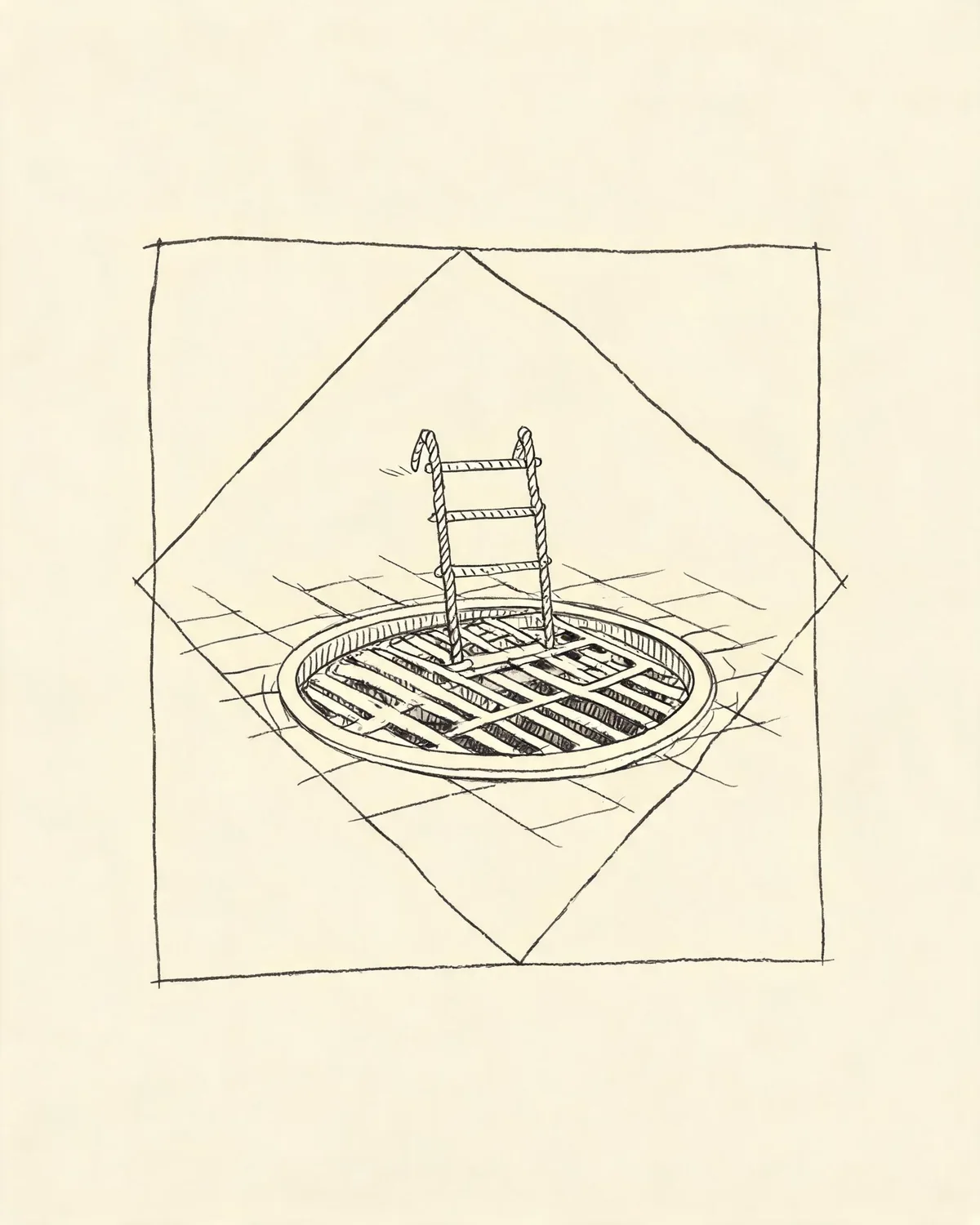
Falling into a sewer or a toilet bowl was paired in older readings with confinement, even imprisonment. A present-day reading would treat that as a picture of feeling stuck somewhere unpleasant and hard to climb out of, perhaps a job, a debt or a long dispute, rather than as a literal outcome. Notice whether anyone reached in to help, and whether you climbed out.
A soiled bed
The bed is the most intimate shared space in a home, and older readings paired a mess there with the breakdown of a marriage. That is a stark pairing, and it serves you better as a question than a conclusion: has something uncomfortable entered your closest relationship, and has either of you said so out loud yet?
A smell with nothing visible
Sometimes the dream offers only the odour. The manuals read the smell of waste as a fine or as overdoing a duty, a cost that announces itself before you can see where it comes from. You might ask whether you are paying for something you have not fully examined, or giving an obligation far more than it actually asks of you.
Throwing it at someone
Hurling waste at another person was read as starting a quarrel, opposing someone unfairly or causing them a loss, with the added warning that the harm may come back to the one who threw it. It is one of the few scenes in which you are the source of the mess, and it may be showing you a resentment you would rather not admit to.
Common Symbols Paired with Feces
With money or gold. When coins or gold appear in the same scene, the money thread is underlined rather than added, since older readings already treat waste as wealth. Seeing the two together pushes the question toward how that wealth was gained and whether you would be comfortable having it looked at closely by someone whose judgment you trust.
With a toilet. The toilet had its own wide range of meanings in the manuals: relief from distress, a room where secrets come out, a place to hide money, a quiet corner to think. A clean, working toilet keeps waste where it belongs and tilts the dream toward relief. A blocked or overflowing one tilts it toward a worry that has outgrown the space you gave it.
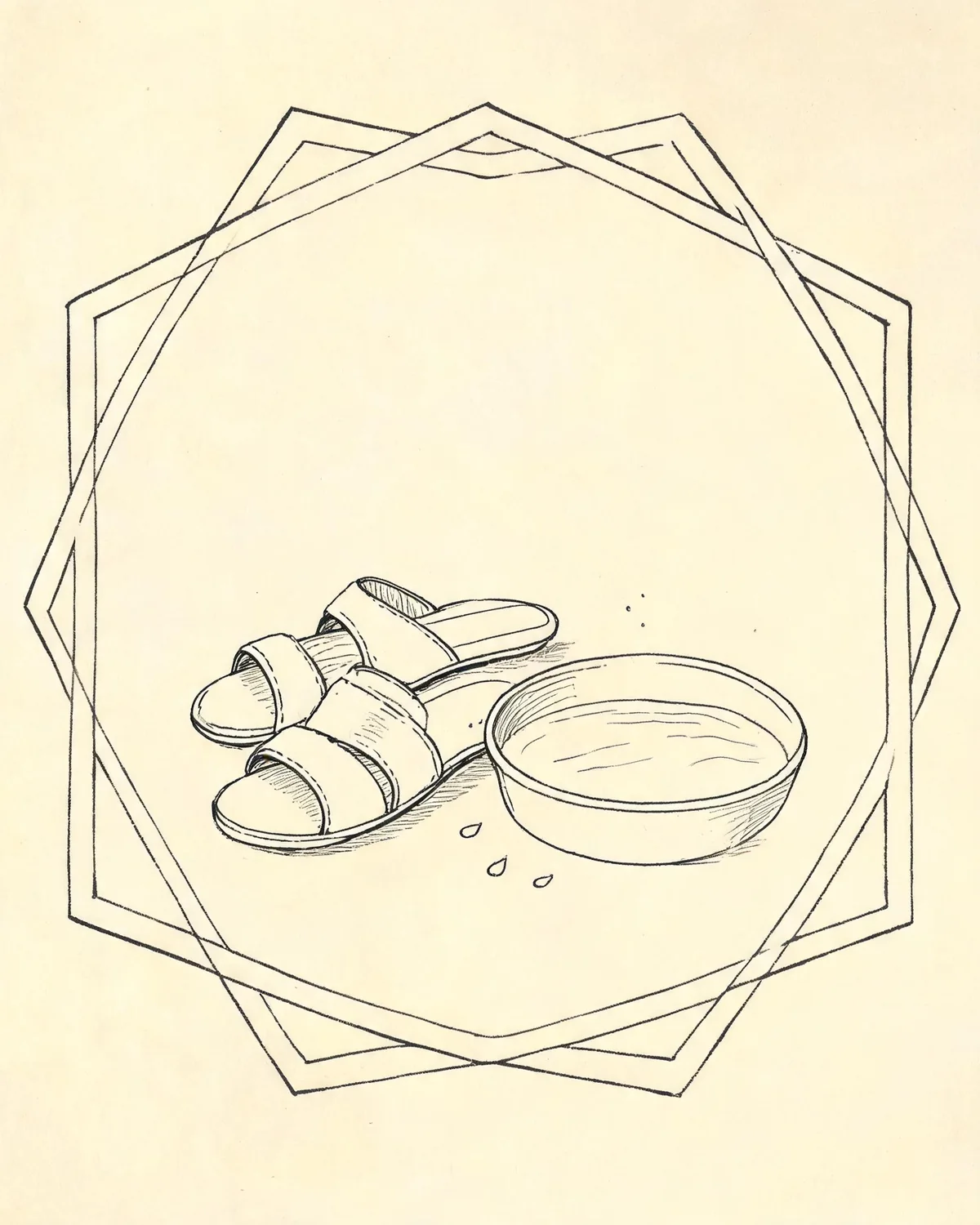
With water for washing. Washing after relieving yourself is part of ordinary practice in the tradition, and the manuals connect cleansing with leaving hardship behind. Water in the scene, whether a tap, a jug or a stream, moves the reading toward restoration. Waste with no way to wash moves it toward a burden you have not yet found a way to set down, and the search for water may be the real subject of the dream.
How This Tradition Differs from Others
Readers who reach this image from other traditions often notice how much of the Islamic reading is about money. Many Christian readers treat dung chiefly as a picture of what is worthless, unclean or brought low, and as a metaphor for humility before God. Interpreters in the Islamic tradition share the concern with purity, but their traditional dream interpreters spend more of their lines on earnings, spending and debts, and on the ethics of how money is made.
older dream interpreters shared a conditional streak with the Islamic manuals, saying that cow dung helps only those who work the land and that relieving yourself comfortably eases worry. Both kinds of manual fit the image to the trade and setting of the person dreaming before they read it.
Modern psychological dream work tends to read waste through shame, release and the boundaries of the body. Islamic readings would recognize much of that, particularly the relief of setting down a burden, but they keep two further questions in view: what is owed, and to whom; and whether something that should stay private is being handled with care.
These approaches are not rival verdicts. Each asks the image a different question, and you can notice which question fits the dream you actually had.

What Does Passing Stool Mean in an Islamic Dream?
Passing stool is the simplest version of this dream, and the manuals divide it with surprising care. A normal, solid stool was paired with money spent on keeping the body well; an excessive discharge with travel plans being held up; a loose, watery one with money slipping away. The detail you remember about consistency, oddly enough, is the detail the older readers cared about most.
The location adds a second layer. Relieving yourself in a washroom beside a familiar place of ablution was read as spending driven by your own desires or by a wish to be admired; doing so in an unfamiliar place as effort that goes unrecognized and earns no reward. Ordinary relief, in a setting with nothing strange about it, leans the other way: worries eased and debts paid.
If the dream ended with a feeling of lightness, that last reading is usually the place to start. If it ended with unease about where you were, the readings about location may sit closer to your situation.
What Does Cleaning Poop Mean in an Islamic Dream?
Cleaning up waste is one of the more hopeful scenes in the classical material. Relieving yourself without meaning to and then cleaning up after yourself was read as earnings, and sweeping up dung as gathering money. Effort spent on an unpleasant task is treated as productive work rather than as a humiliation.
Many people who look up this dream are dreaming of a baby's or a small child's mess. The manuals have no separate line for an infant's nappy, but their nearest readings point the same way: sweeping someone else's house was read as receiving something from them, and caring for a floor or a carpet as caring for your family or community. In that light, an infant's mess is the ordinary, unglamorous work of looking after someone who depends on you.
Cleaning up after another adult carries a different weight. You may be repairing someone else's mistake or carrying an obligation they walked away from. Ask whether the work felt like care or like resentment, because that feeling usually settles the reading.
What Does Animal Poop Mean in an Islamic Dream?
Animal dung is read through the animal. Horse dung was linked to money earned from an honorable business partner, and sitting on horse or sheep dung to earnings from business with your own relatives. Dried dung used as fuel or to enrich the soil was read as profit. Cow dung meant prosperity and a good harvest, with the explicit condition that this applies to farmers only.
Birds are handled differently. Bird droppings on their own were read in older lists as a new garment, while pigeon or other fowl droppings gathered as manure were paired with money from an unlawful source; a present-day reading would take that as an invitation to look honestly at a recent gain, not as an accusation. Droppings from an eagle or a vulture were tied to the fall of a powerful figure.
The manuals say little about dog or cat mess, which is what many people actually dream of. Without a classical line to lean on, it is fairer to read those scenes through the general principles: where the mess was, whether you cleaned it and how you felt.
What This Dream Is Not
A feces dream is not a prediction that money is about to arrive or disappear; the money readings describe how older interpreters reasoned about provision, not a ledger of what you will receive. It is not a judgment on your cleanliness or your faith either, since the tradition itself counted many dreams as the soul's own chatter or as unsettling dreams to be set aside without telling anyone.
Nor is it a report on your body. A dream that borrows the body's functions may simply reflect a night of physical discomfort, a heavy meal or a disturbed routine, and reading it as a message about your health asks more of it than the image can carry. If the scene keeps returning or weighs on you, take that as a reason to talk with someone you trust rather than as evidence about what lies ahead.
FAQ
Is a feces dream good or bad in Islam?
Neither label fits on its own. Older readings include hopeful meanings such as earnings, relief and paid debts alongside uncomfortable ones such as exposure and squandered money. The setting and your feeling on waking decide which side carries more weight.
Does dreaming of feces mean money in Islam?
Money is the most common classical reading, but it covers spending, debts and hidden savings as much as gain. Interpreters also cared about how money was earned. Treat the reading as a reason to look at your finances honestly rather than as a windfall.
What does eating feces in a dream mean in Islam?
The older manuals list this under manure and pair it, surprisingly, with money for the one who eats it. Most people find the image deeply unsettling, so a present-day reading might also ask what you have had to swallow for the sake of an income.
What does touching someone else's feces mean in a dream?
Older readings paired getting another person's waste on your clothing with borrowing from them or carrying their favor for a long time. The image can point to an obligation that sticks to you, whether a loan, a kindness or a debt of gratitude.
What does seeing someone else defecate in a dream mean?
Seeing human waste was linked in older readings with stalled business and tangled difficulties. Witnessing another person's private moment can also mean that you know something about them which is not yours to share, and the dream is asking you to keep it.
What does an overflowing toilet mean in an Islamic dream?
The manuals read a flooded toilet in more than one direction, as distress or as plenty. In practice your reaction decides it: panic at the overflow suggests a worry that has spilled over, while calm suggests more than you can comfortably hold.
Why do I keep dreaming about feces?
Repeated dreams of waste often belong to what the tradition called the speech of the soul, your own preoccupations replayed at night. Money worries, an embarrassing episode or physical discomfort are common sources. Notice what changes from one dream to the next.
Should I tell anyone about a dream like this?
The older etiquette kept such dreams private: tell only someone wise who wishes you well, and otherwise let the dream pass. That advice suits an embarrassing image like this one, and it spares you a stranger's dramatic reading.
Does a feces dream mean I am spiritually impure?
Older manuals read ritual impurity in a dream as a picture of neglected obligations, which some people find a useful nudge. Interpreters treated such images as something to reflect on rather than a charge against you, and many unsettling dreams were simply set aside.
How to Use These Readings Today
Start by writing down three details while they are fresh: where the waste was, what you did with it, and the first feeling you had on waking. Those three answers will rule most of the readings above in or out, and they keep you from reaching for the most dramatic one.
Next, test the money thread against your actual week. Is there a bill you have been avoiding, a debt you owe or are owed, or a sum whose origin makes you uneasy? If one comes to mind straight away, the dream has probably borrowed it.
Then choose one small act of tidying that matches the scene: pay or schedule one overdue bill, return something you borrowed, or apologise for a careless remark. Older readings treated cleaning up as productive work, and one concrete step settles the mind better than another round of interpretation. If the dream connects to nothing at all, let it go; the tradition made room for that too.