Parents in an Islamic Dream: Care, Duty and Inheritance
Parents in an Islamic dream are usually read through duty, memory and the household rather than through a single fixed code. Islamic dream interpreters weigh a person's state, the parents' condition and a person's conduct, so a warm scene can point to blessing and responsibility, while a difficult one can point to a strain that needs attention. This page keeps the reading symbolic and does not treat the image as news about a parent's health or future.
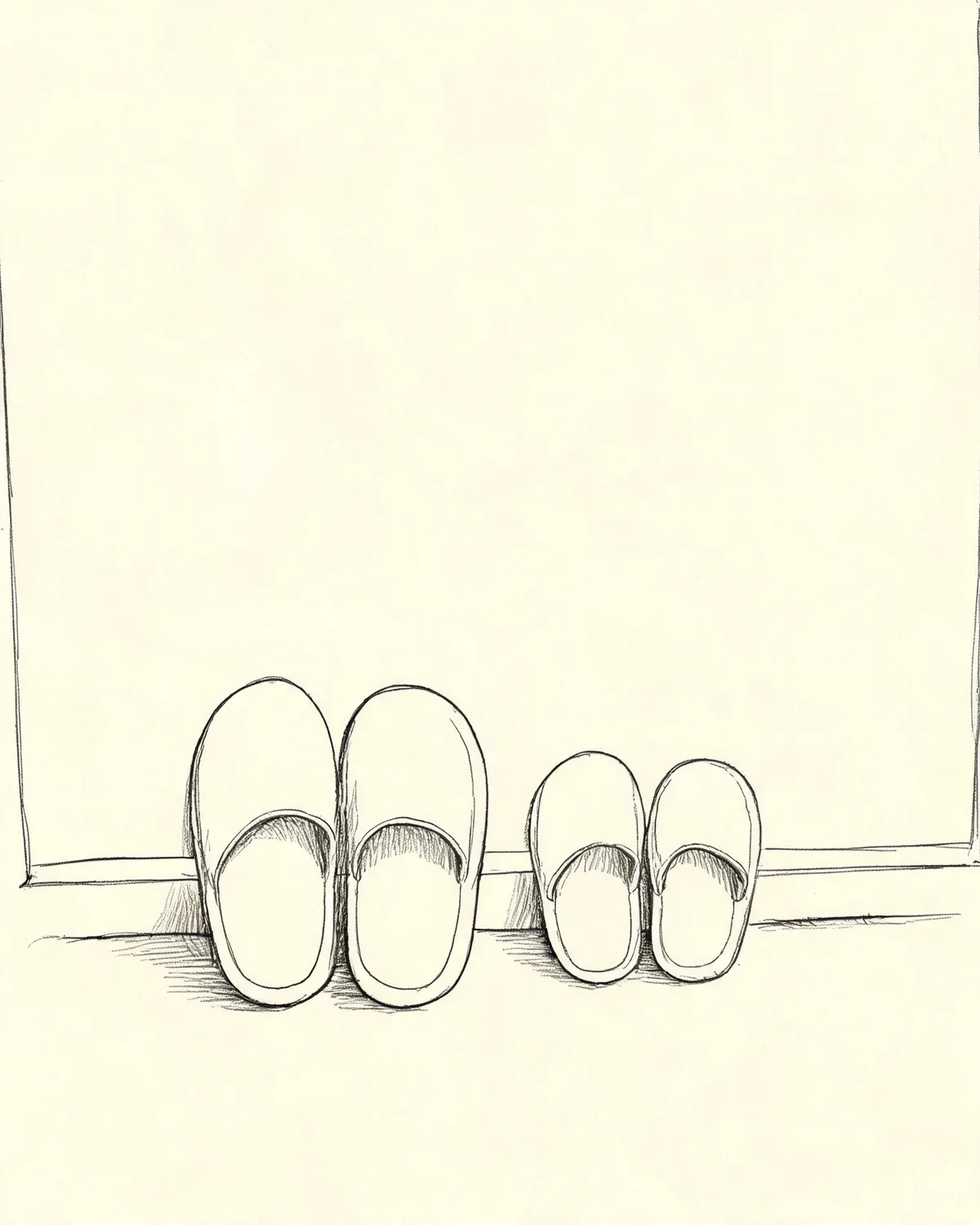
How Islamic Dream Interpretation Reads Parents
The tradition begins with a person's relationship to the parents. A dream is weighed by character, time and place, and the interpreter asks whether you were a child, a caregiver or an equal. Parents who appear in a familiar home can picture gratitude, guidance or an obligation that has not been spoken. Parents at a distance can picture independence or a wish for a blessing.
Classical manuals often treat parents as figures of authority, mercy and foundation. A parent who is silent or absent moves the reading away from prediction and toward what remains unresolved in a person's own role. The question is what was said, what was withheld and what kind of attention the scene asks for. The tradition does not read every appearance as a message about the parents themselves.
What Do Parents Mean in Islamic Dream Interpretation?
The core reading is responsibility and blessing. Parents can stand for the roots a person comes from, and the dream can picture a wish to honor them, a fear of disappointing them or a need to care for them. It may also point to an inherited habit or a family pattern that is being examined.
A second reading is protection. A parent may appear as shelter, or as the one who now needs shelter. A third is guidance: a remembered phrase, a familiar gesture or a shared task can picture counsel that is still valued. The image is not a verdict on a real parent and not a forecast about their life.
What Changes the Reading?
The setting and your role decide which layer is closest.
Parents in a familiar home
A parent in a familiar house can picture warmth, duty and continuity. The dream may show a meal, a room or a task shared. The useful question is what you want to preserve and whether gratitude has been expressed.
Parents at a distance
Distance can picture independence or a gap that has not been named. The dream may show a phone that will not connect or a road between houses. It can ask what kind of contact is possible now, not what will happen later.
Parents who are silent
A silent parent can picture an unspoken expectation, a withheld blessing or a conversation that has waited. The dream may be a nudge to ask, to listen or to seek guidance from someone you trust, without treating silence as a verdict.
FAQ
What do parents mean in an Islamic dream?
Parents usually picture roots, duty and the care that flows between generations. The dream's tone and your conduct decide whether the emphasis is gratitude, responsibility or a strain that needs attention.
Does a dream about parents mean a parent will die?
No. The dream is not a forecast about a parent's health or life. It is a symbolic image of your relationship, memory and responsibility. If a real concern is present, a qualified professional is the right person to ask.
What does it mean when parents are silent in a dream?
Silence can picture an unspoken expectation or a conversation that has been avoided. It may invite you to ask gently, listen carefully or seek counsel, without reading the silence as a verdict.
What does it mean when parents are at a distance in a dream?
Distance can picture independence, a change of role or a wish for contact. The dream may ask what kind of connection is possible now rather than predicting what will happen next.
How should I use a dream about parents?
Name what the dream stirred: gratitude, duty, worry or a wish to repair something. Choose one small act of respect or communication, and keep the reading symbolic rather than treating it as a prediction.