Teeth Falling Out Dreams: Grip, Voice and How You're Seen
Losing teeth is one of the dreams people remember most vividly, partly because it feels so physical. Behind the sensation there is usually a quieter question: what would it mean if something that holds you together came loose? The dream often feels more like a report on your footing than a message about your mouth, and the feeling that lingers is the best place to start.
Key Takeaways
- Teeth dreams usually point to a loss of grip, confidence or control rather than the mouth itself.
- The feeling in the dream matters more than the number of teeth.
- Crumbling teeth suggest slow wear; loose teeth suggest a change already moving.
- Rotting teeth can picture a slow spoiling, something kept in use after it has started to decay.
- Blood can mean the loss feels costly; a calm loss can mean release.
- The dream pictures change rather than forecasting health or death.
What It Means When You Dream of Teeth Falling Out
Teeth are small tools with large symbolism. They let you bite, speak, smile and defend, so a dream about losing them often touches several parts of life at once: confidence, appetite, the way you are heard and the way you look.
Two currents run through the dream. One is loss of power, as if a line of defense had been breached. The other is change, as if something fixed were being loosened so that a new stage could begin. Neither reading cancels the other, and most dreams hold a little of both.
The details narrow it down: a slow crumble points to wearing down over time; a single loose tooth to a change you can already feel; blood to a loss that feels costly; a calm loss to acceptance. Pain, or the lack of it, often matters more than the number of teeth, and the setting tells you who was watching. The image is famous in surveys yet rare in actual reports, and early theory blamed a bodily stimulus.
Why This Dream Shows Up Now
Teeth dreams tend to show up when you feel less able to bite into something: a job, a conversation, a decision, a new role. The pressure may be recent, or it may be a worry that has been quietly accumulating.
They also appear around self-image. A dream of crumbling or discolored teeth can track the fear of looking older, less capable or less attractive, especially during a change of season in your life. No part of this is a health report; it shows how much room you feel you have.
Sometimes the dream is about words. Teeth are part of speech, and a dream that interrupts your voice may mirror something you are finding hard to say. Notice whether the dream included another person watching, and what you imagined they saw.
How the Meaning Changes
The version of the dream you had usually points toward a particular kind of pressure.
Rotting teeth
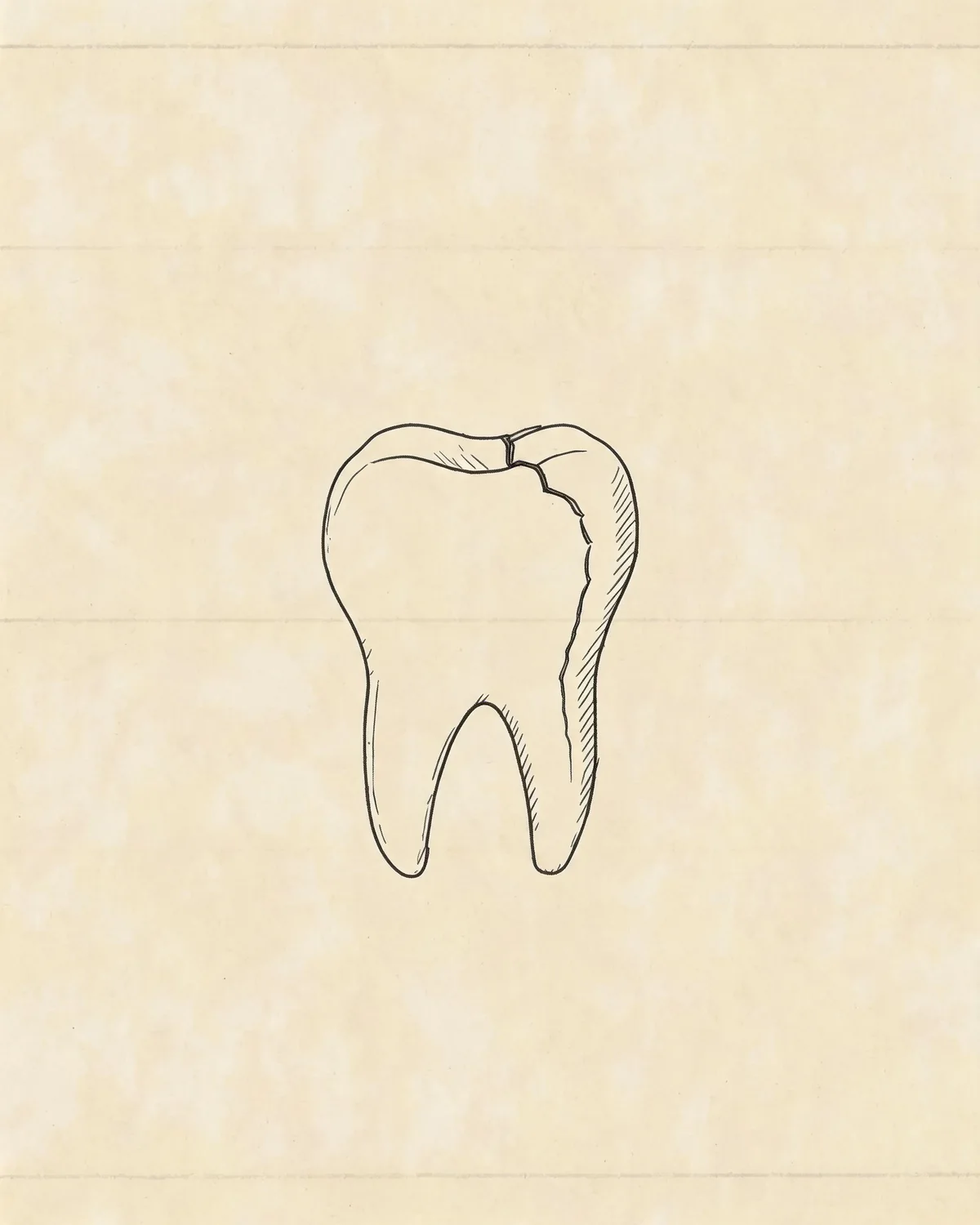
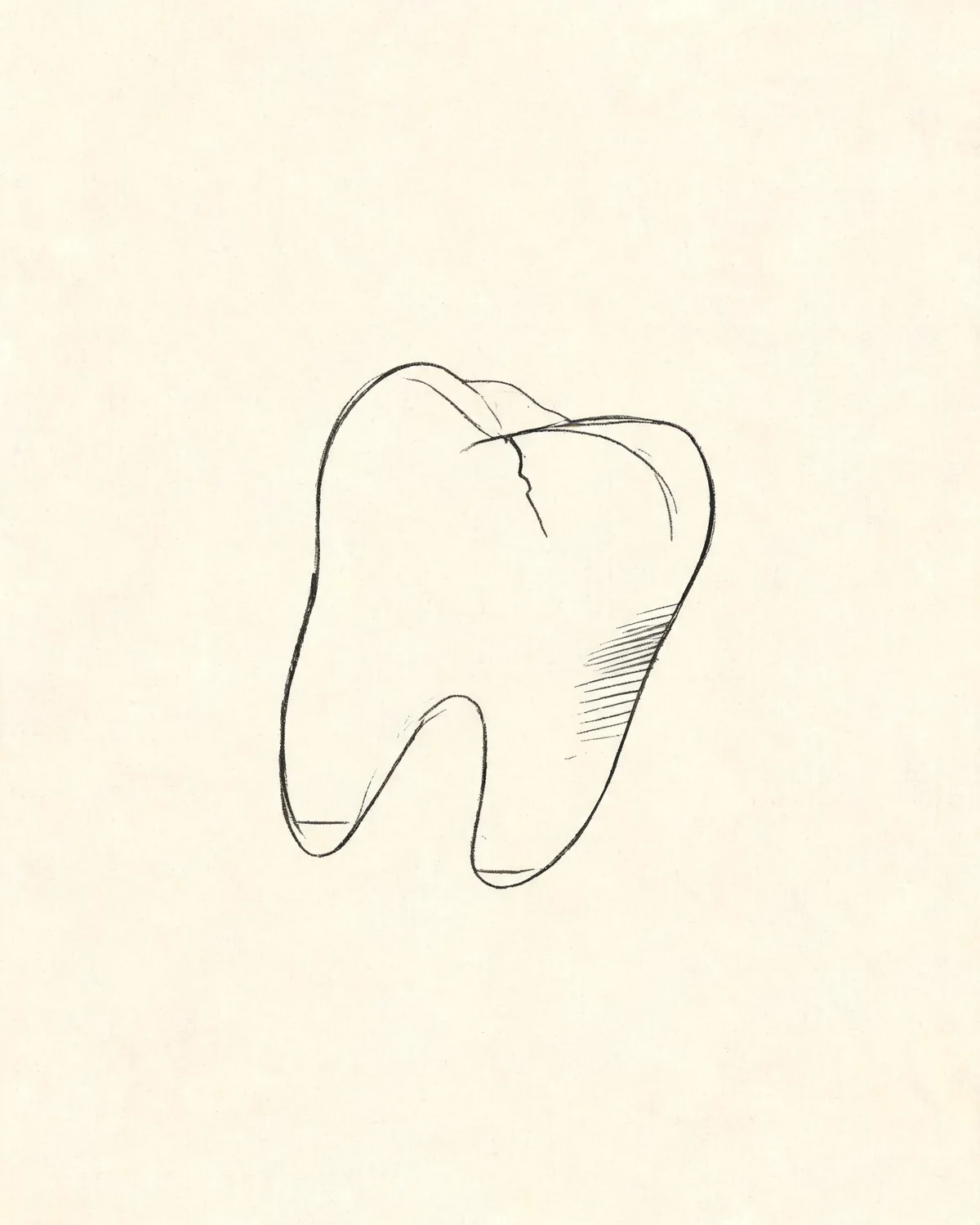
Rotting teeth are different from a tooth that snaps or a row that simply falls. The loss is a spoiling: color, smell, or a soft edge that was firm last week. Some people read rotting teeth as a situation left too long, a resentment, a habit, or a role that has been decaying while you kept using it.
The image can also gather around how you are seen, especially if you cover your mouth or refuse to smile. Notice what in waking life feels sound on the surface and soft underneath, and which conversation you have been postponing. A rotten edge often marks neglect rather than a sudden blow. Name what you have been keeping sweet in public.
Ask which tooth you noticed first, and whether the rot felt new or long-lived. A dream that lingers on the taste is often about a compromise you have stopped noticing. The slow version asks for a conversation before you bite down harder.
Loose teeth
Loose teeth sit between firm and gone. Some people read them as a change that is already moving but not yet decided: a claim, a confidence, or a role that has started to wobble. The dream often arrives while you are still trying to speak and smile as if nothing had shifted.
Notice whether one tooth rocks or the whole row does. A single loose tooth can picture one relationship or one plan. A mouthful of loose teeth can picture a wider loss of grip, the sense that several things you rely on are no longer seated. The useful question is which one you keep testing with your tongue. Name that one before it comes free.
Teeth falling with blood
Blood raises the emotional cost. If the old image of teeth as your inner wall is taken seriously, a bleeding loss feels like a defense that has been breached rather than a small inconvenience. Notice what felt exposed when you woke, and who you wanted to hide it from.
Losing teeth without pain
When the dream is calm, the emphasis shifts from injury to release. This is often an invitation to name what you have already let go of, or what you are preparing to put down without a fight.
Teeth breaking
Teeth breaking is the sudden version of the loss. A snap, a crack, or a piece that comes away in food can picture a confidence, a plan, or a role that gave way without warning. Some people read the break as brittleness: something that looked solid had already been asked to hold too much.
Notice what you were doing when it broke, and whether you tried to keep talking. A front tooth can point to how you appear; a molar to the work of chewing over a decision. The dream asks what felt brittle. Name the load while it can still be shared.
A tooth falling into your hand
A tooth that lands in the hand can mean that the loss is visible and can be examined. The dream may be asking you to look at what has come loose instead of pretending it is still in place.
Teeth falling out in public
Losing teeth in front of others can mean shame, exposure or a fear of being seen as diminished. The dream asks who was watching and whose opinion feels heaviest.
A teeth dream can arrive after a period of holding things in. The jaw is where many people carry tension, and the dream may be showing a pressure that has been clenched rather than spoken. Notice whether the jaw felt tight on waking.
Teeth that crumble rather than fall
A tooth that crumbles in the dream is different from one that drops out cleanly. Crumbs in the hand, a broken edge or a mouth full of grit can picture a loss that happens in pieces rather than all at once: a role eroding, a confidence wearing down or a plan that keeps needing repair. The slow version often tracks a pressure you have been managing for months rather than a sudden shock.
Notice which tooth broke and what you were doing when it happened. A front tooth may point to how you look to others; a back tooth to how you chew over a decision. If you tried to hide the damage with your tongue, the dream may be asking who you are protecting from the news.
Write down the part of your life that feels like it is wearing away rather than breaking, and one repair you could make before it crumbles further.
How Cultures Have Read This Dream
Older readings saw the body as a map of fortune. A damaged tooth could stand for a lost claim or a diminished office. In Islamic dream interpretation the teeth correspond to relatives and clan, so a lost tooth can point to a change in the family circle, and sometimes a debt paid. That is an old association rather than a forecast.
An old story about interpretation, not a real dream, tells of two interpreters given the same dream: one said the family would perish, the other that you would outlive them all. Other traditions saw teeth as fortifications protecting the inner person. The common thread is not death but the cost of change.
Why Do People Link Teeth Dreams to Death?
In older readings, lost teeth were often read through the body's ability to bite and speak, and some interpreters explicitly argued that the image did not mean death: a person who had lost teeth could still eat soft food, while the dead do not lose teeth at all. The idea persisted because teeth sit at the meeting point of appearance, speech and strength, so a dream of losing them feels unusually exposed.
A frightening version can turn that exposure into a death worry, especially when you are already stressed. The useful reading is not who might die, but what feels less secure in your own life. If the dream is frightening, the fear deserves care; it is not evidence about anyone's future. The old story is worth knowing because it explains the fear, not because it tells the future.
Teeth Dreams and Health Anxiety: What a Dream Can't Tell You
Teeth dreams often arrive when the body is tense: jaw clenching, disrupted sleep or a stretch of stress can make the mouth feel busy at night. That does not make the dream a diagnosis. A dream cannot tell you that a tooth is damaged, that an illness is present or that a treatment is needed. It can, however, show how much attention you are giving to the body.
If the teeth hurt, the jaw is tight or a dental problem is real, a dentist is the reliable next step. If the dream is the only signal, the dream is better treated as a picture of worry, not a medical report. The calm question is what you have been gritting your teeth against, and whether that pressure has a practical next step.
Teeth Dreams and Money: Where the Folk Reading Comes From
Another old reading connects lost teeth with money and debt. In older readings, a debtor who dreamed of losing teeth might be told that the debt would be paid; the number of teeth, the pain and whether they fell cleanly all changed the detail. The logic is associative rather than predictive: teeth are what a person uses to bite, speak and earn, so losing them can picture a loss of grip on livelihood.
The image persists because money worry and dental worry both make a person feel exposed. It may, however, show that you feel less able to bite into a task, ask for payment or defend what you have.
What This Dream Is Not
Teeth are a picture of grip, voice and self-image, not a medical report.
Nor does a calm dream of losing teeth mean that something bad is being hidden. The quiet version often reads as release, a defense coming down so that a less guarded version of the self can take its place. If the dream causes distress, that distress deserves care, but it does not show what comes next.
Modern Dream Research
Teeth dreams are a favorite example in dream surveys because they rank high when people are asked what they have ever dreamed, yet appear less often in ordinary diaries. That gap suggests the image is memorable and culturally loaded rather than nightly, and typical-dream work has linked teeth loss to social anxiety and fear of exposure. The feeling of exposure matters more than the teeth themselves.
In the dream, who was watching when the teeth changed, and what did you do next? That detail usually says more about social confidence than about health. Write down one place where you feel less able to bite down than you did a few months ago, and one sentence you have been avoiding saying. A small physical sensation or a dental visit can start the scene.
Making Sense of It for Yourself
A few gentle steps can make the dream less alarming: notice the feeling first, then the image; the body often remembers an emotion before it finds a word.
Name one place where you feel less able to bite down than you did a few months ago, and notice who was watching when the teeth changed. That detail usually says more about social confidence than about health.
Write down the sentence you have been avoiding saying; the dream may be pointing at your voice.
Religious and cultural readings
Islamic and Christian dream interpretation each have their own reading of this image.
FAQ
What does it mean when you dream about teeth falling out?
It often points to a loss of control or confidence, or to a change in how you feel seen and heard. The feeling during the dream matters more than the number of teeth, so start there.
Why is this dream so common?
Surveys list it as common, yet careful tallies of actual reports find it uncommon, so its fame may outrun its frequency. Teeth sit where body, speech, appearance and strength meet, which may be why it stays memorable.
Can a dream about losing teeth be positive?
It can. When the loss is calm, it often reads as release rather than damage, a picture of an old defense coming down so that something less guarded can take its own place.
What does it mean when you dream about your teeth crumbling?
Crumbling teeth can picture a slow loss of grip on a role or a routine. The dream may be asking what has been wearing down before you noticed.
What does it mean to lose a tooth without pain?
A painless loss often reads as release rather than injury. It can mean that an old defense is coming down, or that you are preparing to put something down without a fight.
What does it mean to dream of teeth falling out in public?
Losing teeth in front of people can picture a fear of being seen at less than your best. Notice whose face you remember, because that person often holds the opinion you are bracing for. The dream often borrows a small embarrassment and enlarges it into a public scene. A recurring version can point to a social pressure that has not been named.
What does it mean to dream of teeth breaking?
Teeth breaking can picture a small collapse in confidence or a moment when your usual composure cracked. Notice what you were doing and who saw it.
What should I do after a teeth dream?
Note what changed in the mouth first—one tooth, several, crumbling or falling—then name where you feel less able to bite down than a few months ago. Write down one sentence you have been avoiding saying. If the dream keeps returning, a calmer routine or a conversation with someone trusted may help.