Lion Dreams: Whose Authority Is Taking Up the Room?
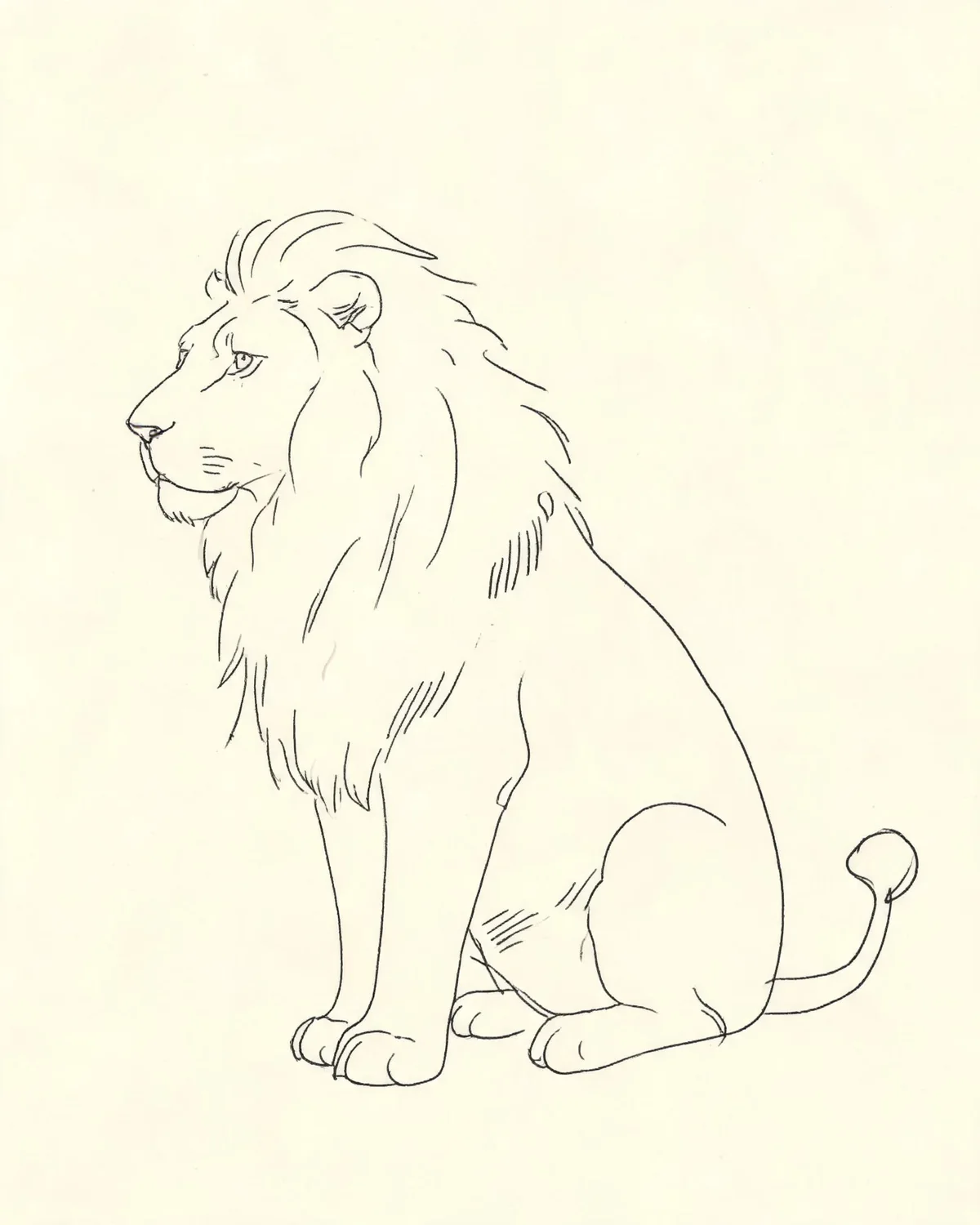
A lion in a dream fills the room before it does anything. Its size, stillness and eyes make the dream feel official, as if a power has entered and is waiting to be addressed. The animal can stand for authority, courage, anger or a person who holds real weight in your life. It can also stand for your own strength, especially when you have forgotten it. The lion's behavior decides whether the dream is threat, challenge or alliance.
Key Takeaways
A few starting points for reading the dream:
- A lion usually stands for power, authority, courage or a force larger than you.
- A calm lion leans toward dignity and protection; an attacking lion toward conflict or pressure.
- A white lion often carries a rarer, more spiritual or distant form of power.
- A lion in the house can point to family authority, a father figure or a private struggle.
- The dream's emotion — awe, fear, respect or affection — is a strong clue.
What It Means When You Dream of a Lion
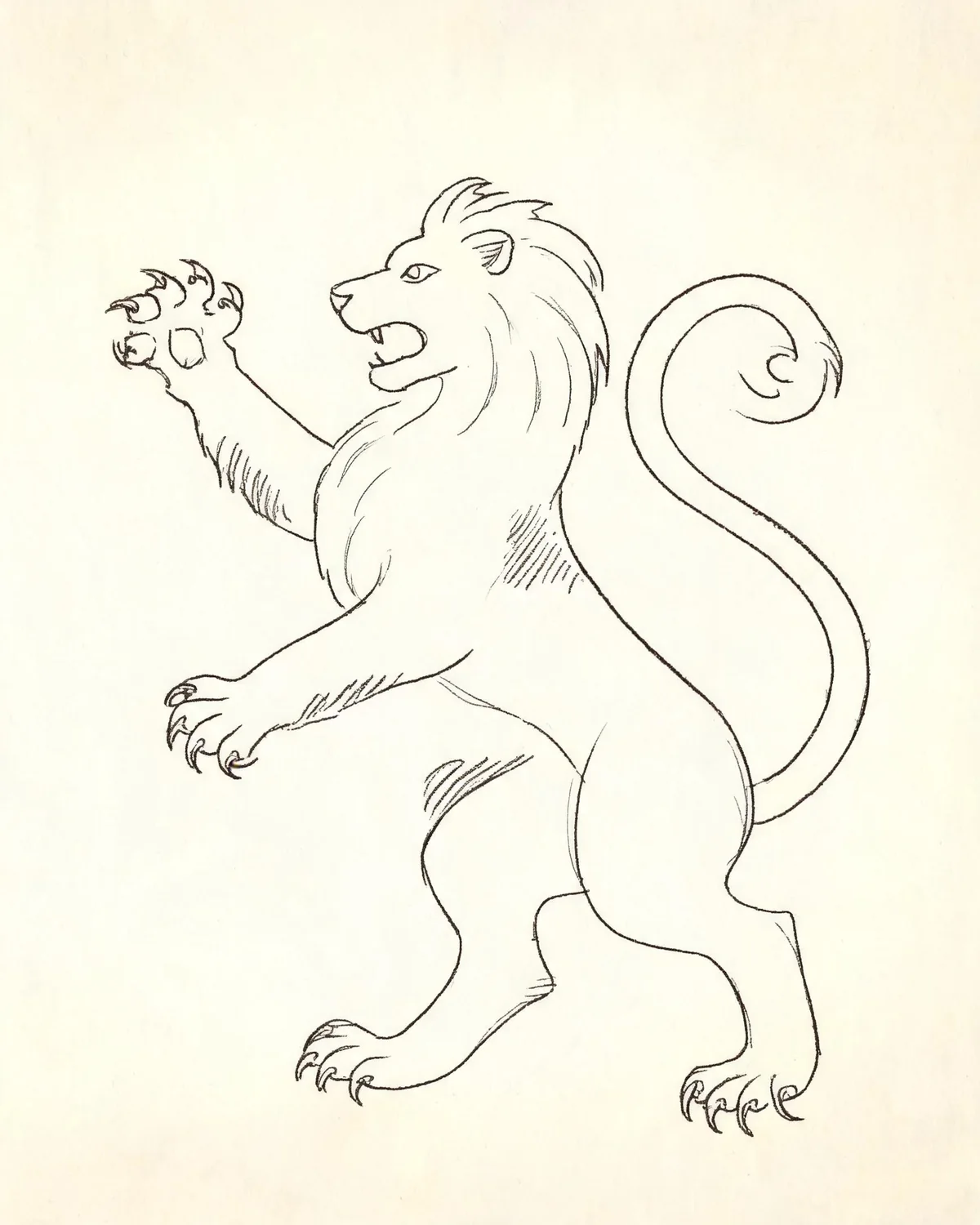
Older readings treat the lion as a solar animal of kingship and courage. In many traditions it is the king of beasts, an emblem of military power and a guardian placed at gates and thrones, and its image was used to lend authority to rulers. A dream of a lion can therefore point to a person with power, or to the part of you that wants to be taken seriously.
The lion also carries danger. It is a predator, and a dream of being chased or attacked by one can mirror a conflict, a demand or an anger that feels larger than you. The same animal that protects can devour, which is why the lion is rarely a simple image of good fortune. The dream's tone decides whether the power is benevolent or threatening.
The lion's pride adds another layer. A lion that ignores you can mean a power that does not see you; a lion that watches can mean judgment; a lion that lets you approach can mean an alliance. The dream asks where you stand in relation to the power it shows you.
Why This Dream Shows Up Now
Lion dreams often arrive around authority. A boss, a parent, a teacher or a public figure may hold power in your waking life, and the dream gives that power a body. The lion may be showing how you feel about being judged, promoted or told what to do.
They can also surface around your own strength. If you have been holding back, swallowing anger or waiting for permission, a lion can appear as the part of you that refuses to stay small. A calm lion in that setting can be an invitation to take up space; an attacking one can suggest that the pressure has begun to feel unmanageable.
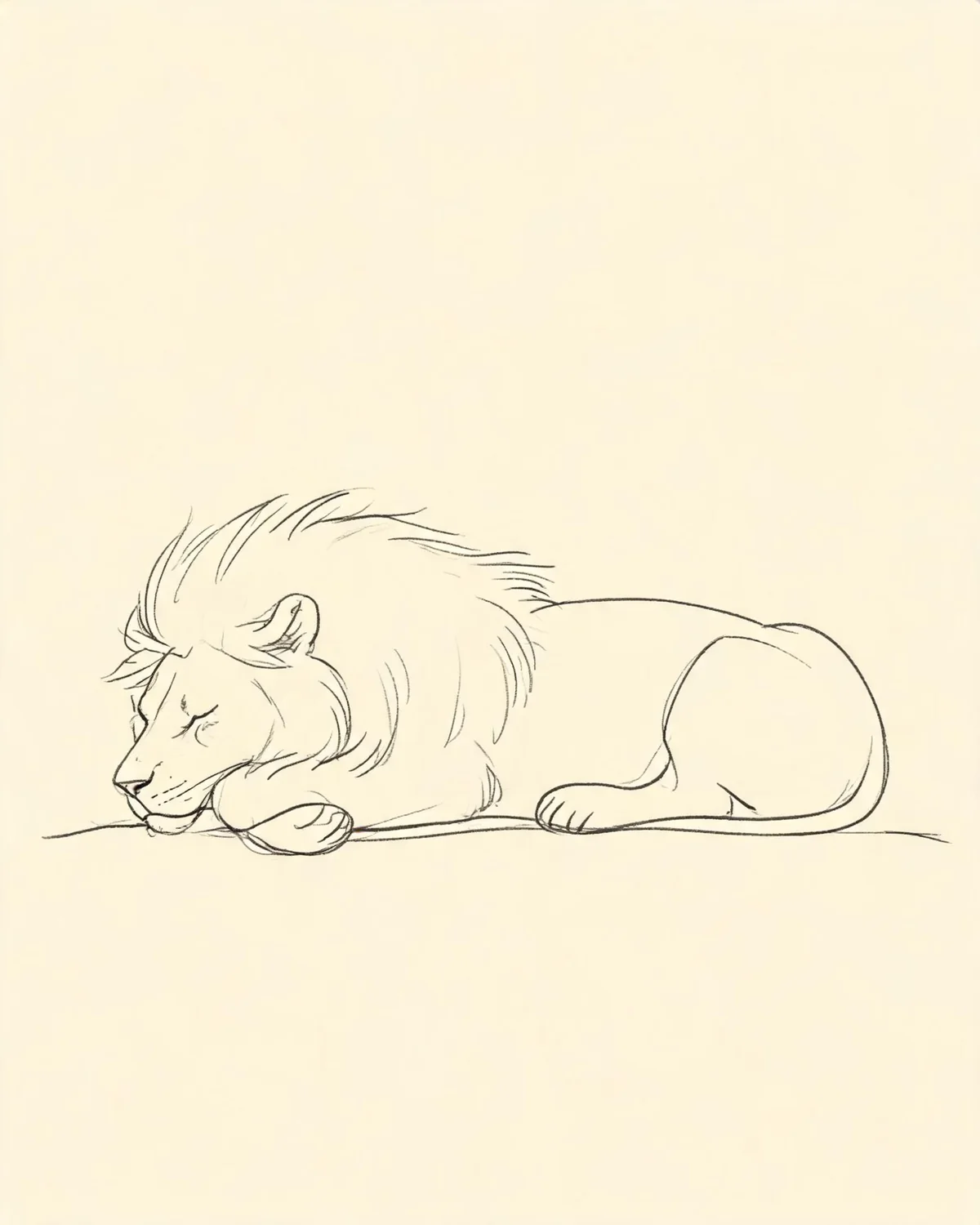
Sometimes the dream is about protection. A lion at a gate, a lion sleeping beside you or a lion that lets you pass can mirror a boundary that keeps you safe. The dream may be asking who protects you and whether you trust that protection.
How the Meaning Changes
The lion changes with its distance and its mood, and those details usually decide the reading.
A lion that chases you
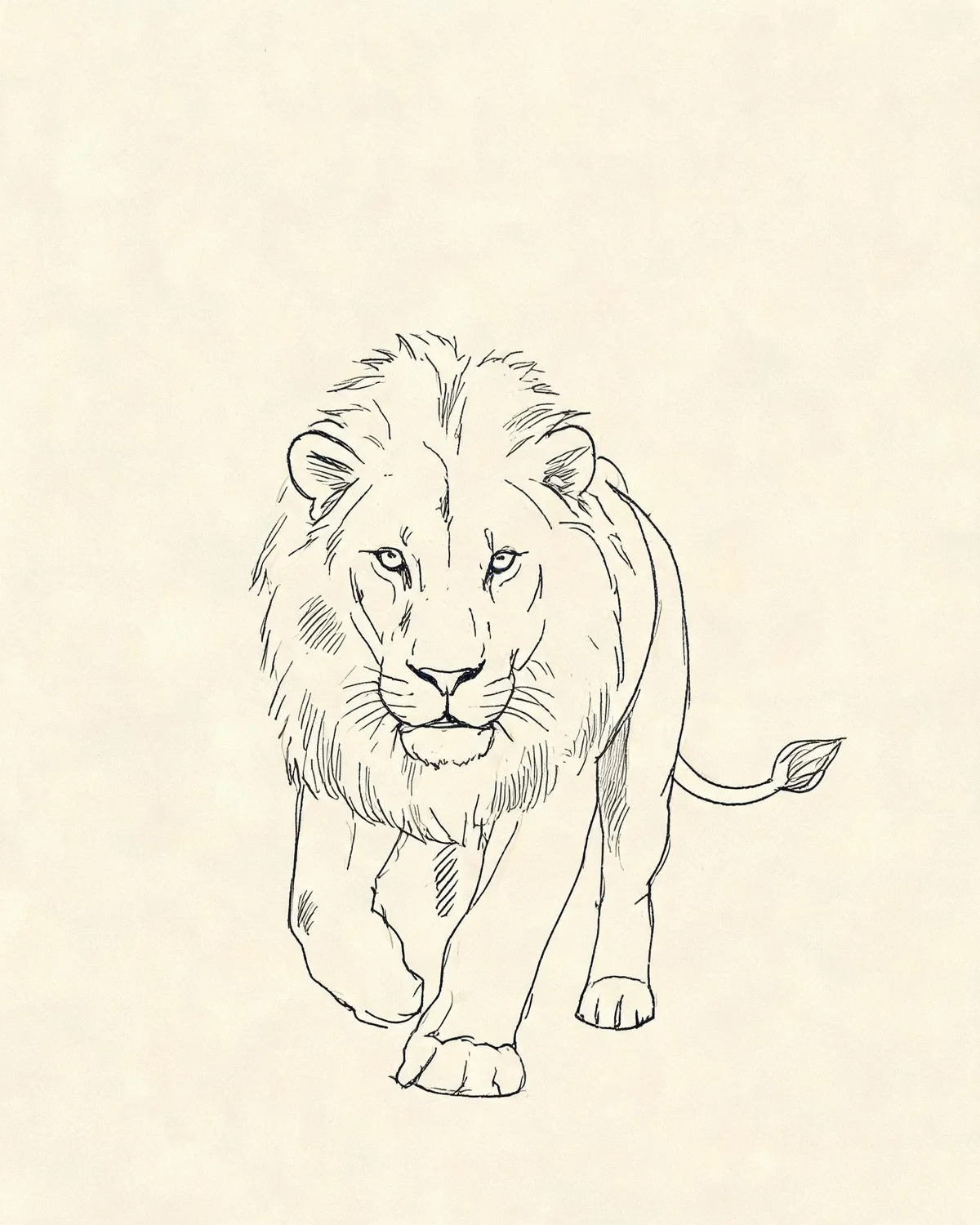
A lion that chases you turns the dream into a confrontation with power. It can mirror a demand, a deadline or an anger that is gaining on you. Notice whether you ran, hid or turned to face it.
A calm lion
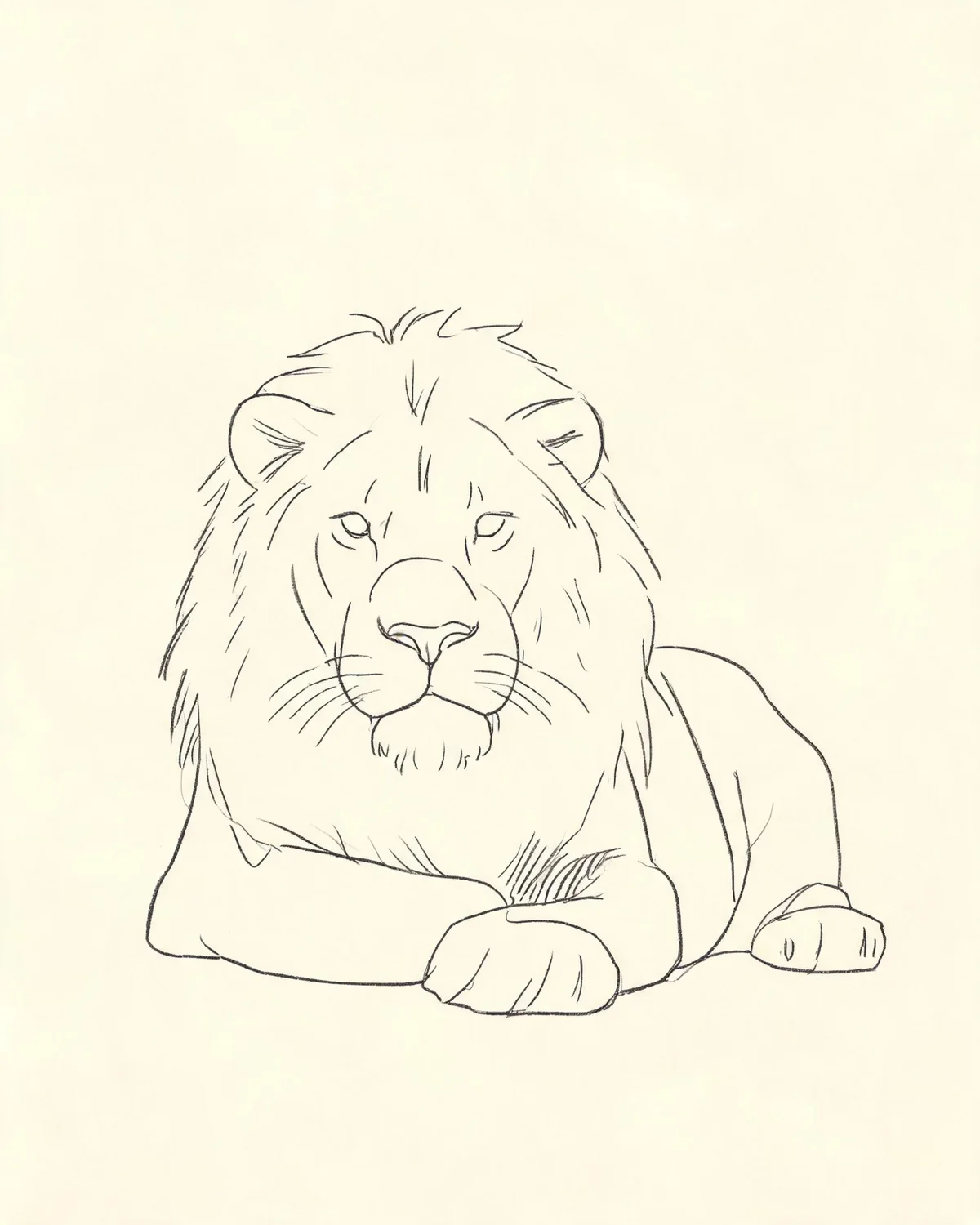
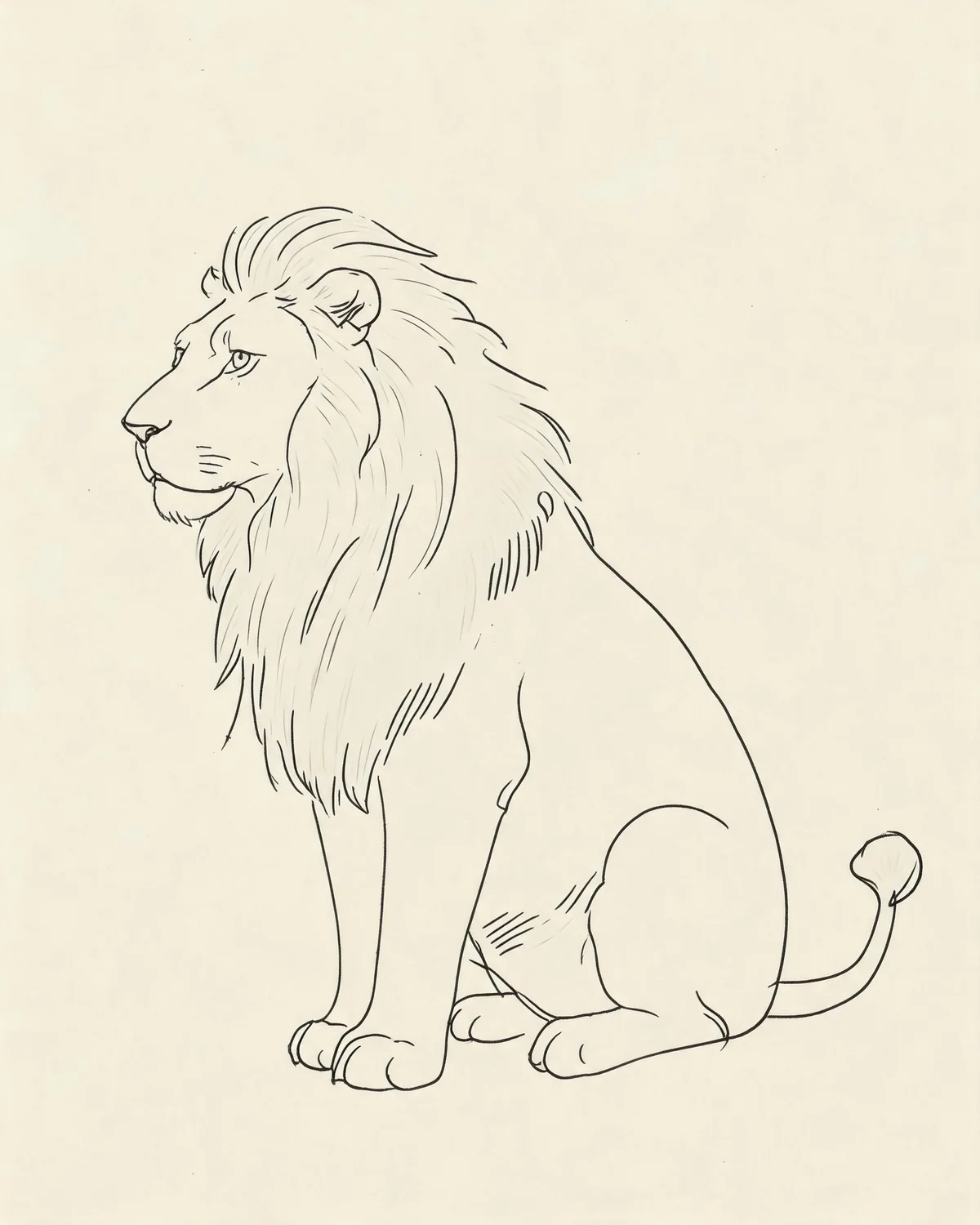
A calm lion carries dignity, protection and self-possession, and it can mean a person whose authority feels steady or your own capacity to stay calm under pressure. The dream may be asking you to borrow that stillness.
A white lion
A white lion often carries a rarer, more spiritual or distant form of power. It can point to an ideal, a calling or a strength that feels set apart from ordinary life. The dream may be asking whether that power is yours to approach.
A lion that attacks
A lion attack turns the image toward conflict, injury or an authority that has become hostile. The dream shows pressure rather than a forecast of violence; ask what has felt unsafe.
A lion in the house
A lion in the house can point to family authority, a father figure or a private struggle that has entered the domestic space. It can mean a powerful presence in the home, or a strength that the household has not yet learned to hold.
A lion cub
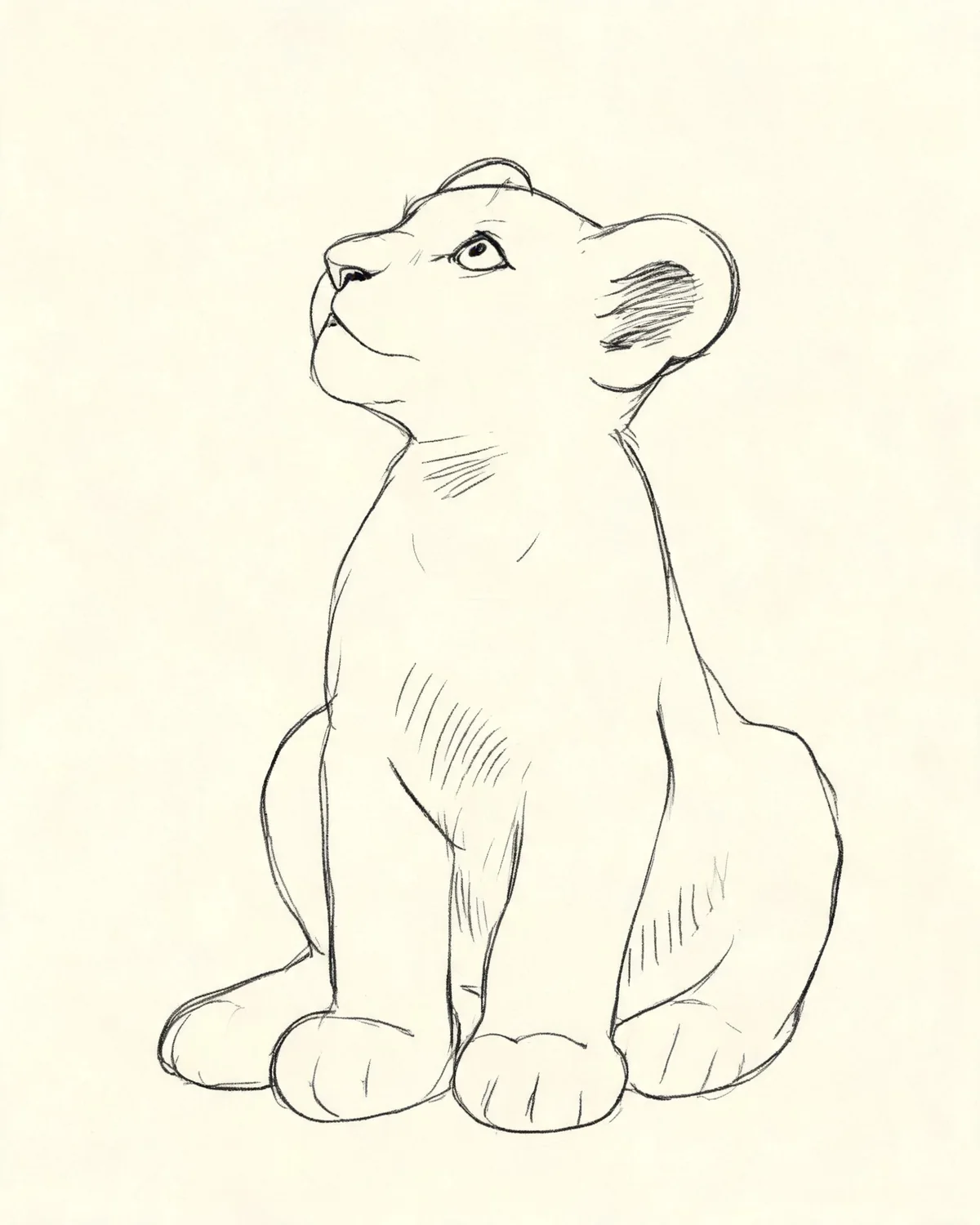
A lion cub often reads as young strength, a responsibility that will grow or a tenderness inside a powerful image. It can also mean a beginning that looks small but will demand more later.
A dead lion
A dead lion can point to a fallen authority, a strength that has passed or a pride that has been wounded. It can also mean the end of a fear that once seemed enormous.
How Cultures Have Read This Dream
The lion is one of the most widely used symbols of royalty and courage. In ancient Egypt the lion was linked to the power of the sun and to fierce protective goddesses; in Mesopotamian and Persian art it guarded palaces and thrones. In the Hebrew scriptures the lion is a symbol of the tribe of Judah and of strength that can be both protective and dangerous, while Christian art places it beside evangelists and saints as a sign of courage and watchfulness.
In Buddhist imagery the lion is a guardian and a symbol of the Buddha's voice, and in Chinese and Japanese art lion figures guard gates and temples. Greek and Roman symbolism tied the lion to heroic strength and to the sun, and heraldry made it the standard emblem of royal authority. Across these traditions the lion is a power that must be respected, whether it protects or threatens.
Lion Dream Good or Bad? Read the Scene
Lion dreams are not fixed as good or bad. A calm, protective lion can mirror courage, dignity and self-respect; an attacking or caged lion can mirror conflict, pressure or strength that feels trapped. The old question of whether a lion is lucky misses the scene. Look at distance, behavior and your own response: a lion that watches from far off reads differently from one that blocks a door, and a lion you approach reads differently from one that chases you.
A white lion may add a distant or ideal note, while a dead lion can mean an authority that has lost its force. The dream's emotion is the better guide: awe suggests power worth respecting, fear suggests a power that feels unsafe, affection suggests an alliance. The dream is not a bad omen, and it is not a promise of good luck.
Mountain Lion or Cougar Dream: What the Species Changes
A mountain lion is not the maned lion of royal emblems. It is the cougar or puma, a smaller, solitary wild cat of the Americas that does not roar, hunts mostly at night and adapts to forests, mountains and the edges of cities. In a dream, that difference changes the reading.
The image is less about a throne and more about a quiet, local power: a threat or a presence that does not announce itself, a strength that moves alone, or a wilderness that has come close to home.
Notice the terrain and the silence. A mountain lion on a ridge can mean distance and watchfulness; one at the edge of a yard can mean something wild pressing against daily life. The dream asks whether the power you sense is regal and public, or private, patient and hard to see.
A Lion That Speaks: Authority, Warning or a Message?
A lion that speaks is an impossible image, and that is exactly the point. In older dream reading, an animal speaking with a human voice marks a threshold: the creature is no longer only a beast but a messenger, and the dream asks you to listen. The voice can carry authority, warning or a message you have not wanted to hear. Notice carefully what it said, whose voice it used and whether you obeyed.
A calm, clear human voice may read as counsel or a claim on your attention; a roar that turns into words may read as pressure that has found a language.
What Is the Spiritual Meaning of a Lion Dream?
A spiritual reading of the lion begins with its authority. The lion does not ask permission and does not explain itself; it simply occupies the space, which makes it a natural image of the sacred, the sovereign or the part of the self that knows its own worth. A lion in a dream can be a call to take your own place in the world.
The lion's danger is part of its spiritual meaning. A power that is not integrated can become destructive, and a dream of an attacking lion can point to strength that has turned against you. A calm lion can point to strength that has been befriended. Ask not whether the lion is good or bad, but whether the power it shows is being held with respect.
What This Dream Is Not
A lion dream is not a verdict on your standing or a forecast of conflict with someone powerful. A caged or dead lion does not mean that your strength is gone. The image may be showing a power that feels trapped or a fear that has finally ended. If the dream leaves you shaken, that reaction deserves attention, yet it says nothing certain about what follows.
Modern Dream Research
Threat-simulation theory treats a dream predator as a rehearsal of vigilance: the sleeping brain places a large animal at a distance, tests whether to freeze, bow or run, and gives the feeling of power a body. A lion often borrows its charge from a person, a role or a situation that feels authoritative in your day. The animal's calm or agitation changes the rehearsal, which is why the same lion can feel protective or threatening.
In the dream, how close was the lion, and what did your posture do before you decided? Note whether it was caged, at rest or approaching, and name the authority in waking life that currently takes up the most room. Write one sentence about it; that note is more useful than deciding whether the lion is good or bad.
Making Sense of It for Yourself
A few gentle steps can turn the lion into something useful: notice the distance (far, watching, approaching, touching), ask who the lion resembles, and check your posture — bowing, running, standing still or reaching out are different answers.
The lion's stillness is part of its power; it does not need to roar to be noticed, and a quiet lion can point to authority secure enough to stay calm. A lion at a gate or in a cage adds boundary and confinement: notice who holds the key and whether the guard protects you or traps you.
If the lion was caged, name the strength you have confined and one small way to test the lock this week.
Religious and cultural readings
Each tradition gives the lion a different voice. Explore a reading:
FAQ
What does it mean when you dream about a lion?
A lion usually stands for power, authority, courage or a force larger than you. A calm lion leans toward dignity and protection, while an attacking lion leans toward conflict or pressure.
What does it mean if a lion chases you in a dream?
A chasing lion can picture pressure, authority or anger that seems to close in. Whether you ran, hid or faced it often matters more than the lion itself.
What does a white lion mean in a dream?
A white lion can picture a powerful ideal, a rare opportunity or a strength that feels different from the usual version. The dream may be asking what you admire and whether you trust it.
What does a lion in the house mean in a dream?
A lion in the house can picture a strong presence in your private life: a person, a mood or a responsibility that takes up more room than expected. Notice whether you wanted to approach it or keep the door closed.
What does a lion cub mean in a dream?
A lion cub can suggest a young strength, a small responsibility that will grow or a tender spot inside a powerful image. The dream may be asking how much care that beginning needs.
What does a dead lion mean in a dream?
A dead lion can point to authority that has lost its force, a pride that has been wounded or a fear that has finally shrunk. The dream asks which strength has changed for you.
Does the lion's behavior matter in a dream?
It matters more than the animal's reputation. A calm lion, a watching lion, an attacking lion and a caged lion each describe a different relationship to power. The behavior is the sentence; the lion is only the subject.
What does a protective lion mean in a dream?
A protective lion usually mirrors courage, authority and self-respect. The dream feels positive when its power feels like something you can approach rather than something that is hunting you.
What does a lioness mean in a dream?
A lioness can mirror a fierce protective power, a maternal authority or a strength that is quieter and more strategic than the male lion's display. Some older readings treat her as a lesser version of the lion, others as the more dangerous hunter. The dream's tone, and any cubs in the scene, decide the reading.
What does a lion's roar mean in a dream?
A roar is the lion's public voice: a warning, a claim on territory or a sound that makes others stop. In a dream it can mean authority being announced, anger finding words or a message that is hard to ignore. Notice whether the roar was aimed at you and whether you moved toward it or away.