Being Chased in Islamic Dream Interpretation
Footsteps behind you, a street that keeps stretching, legs that will not take the ground fast enough: being chased is one of the most common frightening dreams. Classical Islamic interpretation reads the scene by asking three things in turn, namely who follows, where you run and whether fear runs with you, and the answers can turn a nightmare into an image of refuge, repentance or a quarrel waiting to be settled.
On this page
- Key takeaways
- What Being Chased Means in Islamic Dream Interpretation
- How Islamic Dream Interpretation Reads Dreams
- Core Principles
- How the meaning changes
- Common Symbols Paired with Being Chased
- How This Tradition Differs from Others
- What Does It Mean to Be Chased by a Lion, Snake or Dog in Islam
- What Does Running Away from a Jinn Mean in an Islamic Dream
- Is Running Away in a Dream a Good Sign in Islam
- What it is not
- FAQ
- How to Use These Readings Today
- Related symbols
Key Takeaways
- Fear inside the dream is often read against its face, as calm and repentance once you are awake.
- Where you run matters more than how fast; running toward God and shelter is the hopeful direction.
- The pursuer usually stands for a real person, rival or pressure, and its temperament carries over into waking life.
- A flight that ends in daylight, at a mosque or among trusted people leans toward safety.
- Being caught, questioned and then released reads as a correction rather than a defeat.
- A chase that leaves nothing but dread is answered with a prayer for protection, not studied for hidden messages.
What Being Chased Means in Islamic Dream Interpretation
The first thing Islamic dream interpreters notice about a chase is that the frightening figure and the frightened person are read separately. Whatever causes the fear stands for harm and aversion, something or someone you would rather keep at a distance. The fear itself is often read the other way round: fright in a dream has long been paired with peacefulness, repentance and even happiness after waking, and a person who flees from fear is said to come out on top.
The second thread is the identity of what follows: an enemy you know, a rival at work, an authority you have upset or a temptation you keep returning to. Older readings name some of these precisely. A hunting falcon swooping after you were linked to the anger of a strong man who does what he says, and Satan following you were read as an enemy who wants to mislead you and cost you your standing and the benefit of what you know.
Conscience is the third thread. Fear can also be read as the weight of wrongs that have not been put right, so interpreters in this tradition ask whether the pressure comes from outside or from something you did and left unrepaired. That question is not an accusation; it widens the search beyond the figure in the dream.
Taken together, the chase becomes a picture of pressure and direction: what is pressing on you, how you respond, and where you instinctively turn when it gets close.
How Islamic Dream Interpretation Reads Dreams
Islamic dream reading sorts a dream before it interprets it. A true dream is received as good tidings from God; a disturbing dream can be attributed to Satan, whose aim is to frighten and unsettle; and a large share of night images come from the self, from the day's worries, a heavy meal or an unspoken wish. A chase can belong to any of the three, so the first question is which kind of night it was.
The sorting has practical consequences. A dream that feels like an assault and leaves only dread is usually left uninterpreted, and the advice handed down is to seek refuge in God from its harm. A chase with a clear scene, such as a known face, a particular road or a door that opens at the last moment, is the kind interpreters look at closely.
When a chase is read, it is weighed against your life: your work, your faith, your debts, whether you are travelling or settled. The same flight from an enemy is read one way for a trader and another for a person of learning, for whom it has been linked to being called to sit as a judge or to govern.
Last, the reader looks for the final image. Reaching shelter, being caught and waking mid-stride each tilt the reading differently, and endings carry real weight in this method.
Core Principles
The emotion and the meaning can point opposite ways. Being terrified in the dream is not the verdict. Fear is one of the images classical manuals routinely invert, so a frightening chase can sit alongside a calm or repentant season in waking life, ; a calm chase is not automatically the better one.
Direction outranks speed. Running toward God, toward a mosque, toward light or toward trusted people is read differently from running out of a battle you were meant to stand in. The question is what the flight is for, and whether it brings you closer to something steadier.
The pursuer borrows a face from waking life. Its character, whether insolent, cunning, powerful or slow but strong, is taken as the character of a real person, pressure or habit. Describing the pursuer carefully is half of the interpretation, and naming who it resembles is usually the other half.
Distress is answered with refuge, not decoding. When a chase leaves nothing but fear, the tradition's instinct is protection and calm: a prayer, a quiet word with someone trustworthy, one practical step. Turning every frightening night into a riddle to be solved is discouraged, and a dream that brought only fear is not retold to anyone who might enlarge it.
What Changes the Reading of Being Chased
Small details decide which way a chase dream tilts, and these are the scenes that older and present-day readings separate most often.
Fleeing an Enemy You Fear
When the pursuer is someone you already regard as an enemy and you run in genuine fear, older manuals give one of their most reassuring readings: you will be safe. The flight is treated as a sound instinct rather than cowardice. A present-day reading would add a question of its own: is there a real conflict you were wise to step back from, and whether stepping back still serves you?
Running with No Fear at All
A chase in which you run but feel nothing is read with more caution. Older readings treated a fearless flight as the graver image, closer to a chapter closing than to an escape. Read reflectively, it can describe going through the motions, avoiding something out of habit long after the alarm has gone quiet, and it asks what you have stopped noticing.
Chased by Someone You Know
A known face carries its own character into the reading. If a colleague, relative or former friend pursues you, whatever you see in them during the dream, whether harshness, deceit, strength or weakness, is taken as something real in that relationship. The useful question is what remains unfinished between the two of you, not what the other person is plotting.
Caught, Questioned and Then Released
Being caught by guards or a patrol, questioned and then let go has a specific and fairly mild reading: a warning followed by repentance for your shortcomings. It is the chase as correction. The capture points to a habit or neglected duty; the release suggests that it can still be put right, and that the reckoning is smaller than the fear made it feel.
Hiding in a Hole or Behind a Door
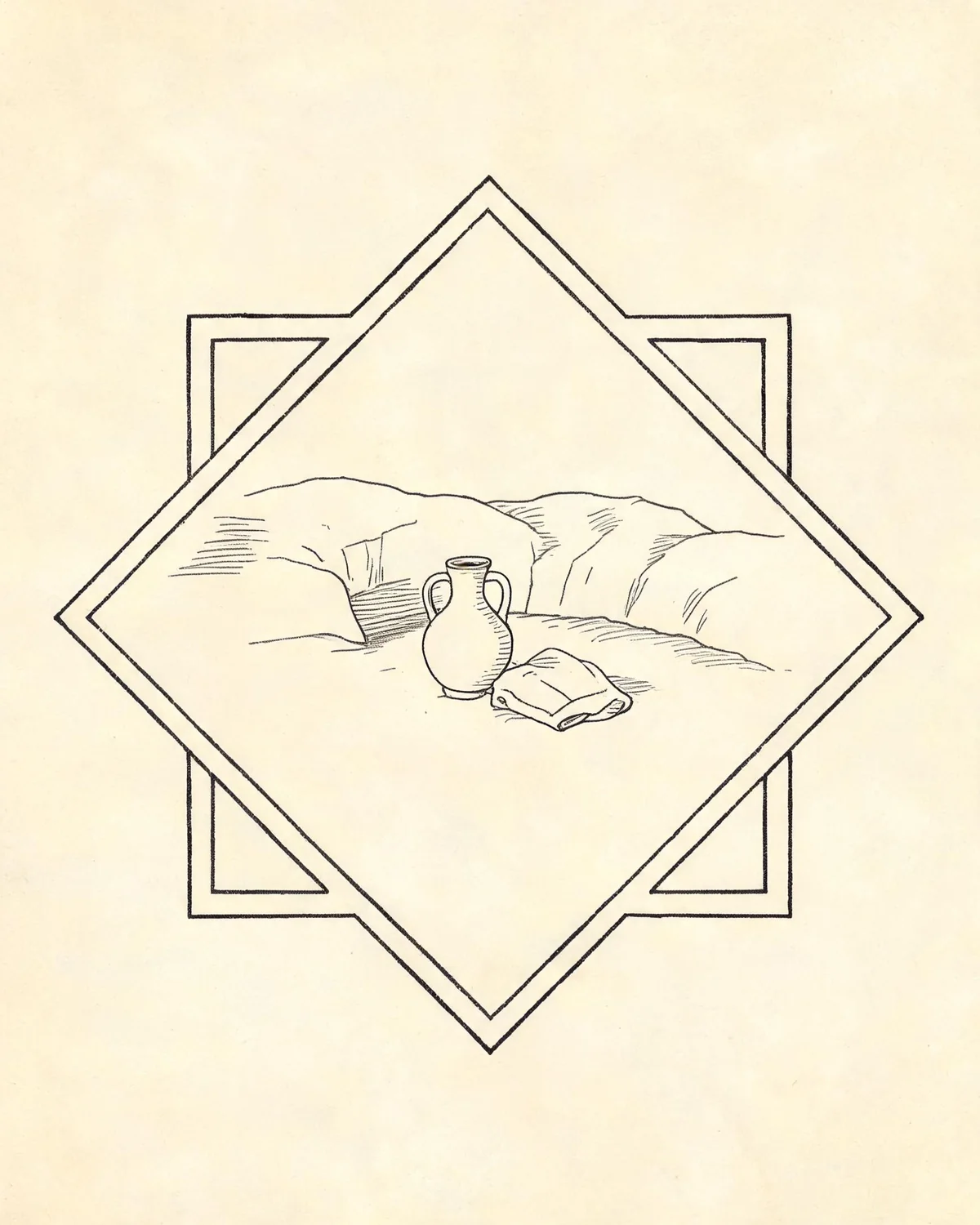
Hiding inside a hole has been linked to fears easing and difficulties coming to an end, especially if you find food, fresh water or something to cover yourself with there, which older readings tied to unexpected help or a truce with an opponent. Hiding behind something also reveals what you lean on, because whatever shelters you in the dream is what you are relying on.
Reaching a Mosque or Stepping into Light
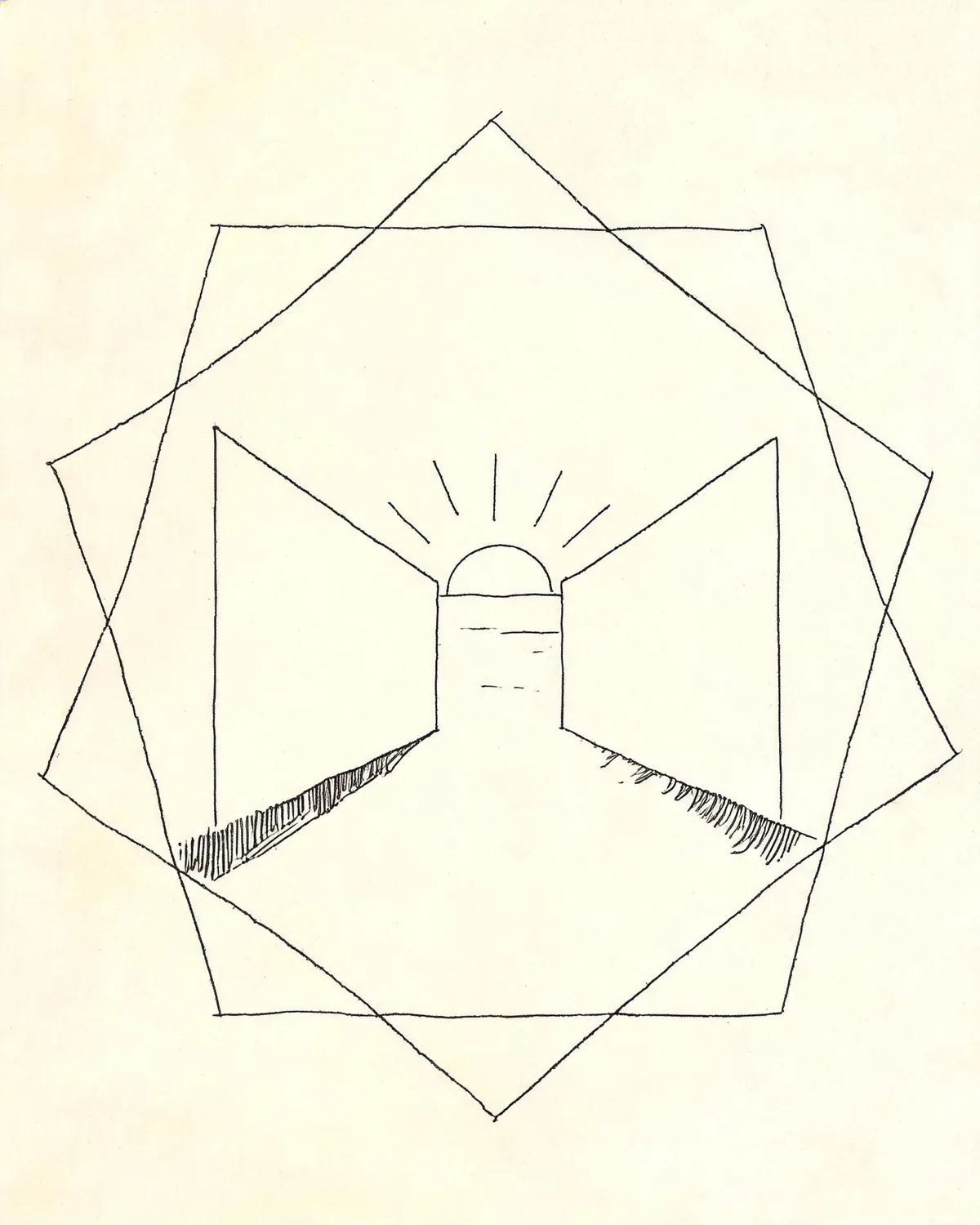
A chase that ends at a mosque, or that breaks out of darkness into daylight, is the clearest picture of refuge in this tradition. Walking out of darkness has been read as safety, guidance and release, and entering the Sacred Mosque as fear dispelled and reaching the shore of safety. Here the ending, not the pursuit, becomes the main message of the dream.
Turning Around to Face the Pursuer
Some chases flip. You stop, turn and face the enemy, or you end up walking behind them. Meeting an enemy face to face in a dream has been read as rising above a quarrel and even befriending the opponent, and following an unknown young man as pursuing a foe and overcoming him. The moment you stop running is often the turning point of the whole reading.
Common Symbols Paired with Being Chased
Night and darkness. Darkness in this tradition is linked to confusion and losing the way, and stepping out of it to guidance and repentance. A chase in the dark therefore reads as pressure you cannot yet see clearly, while a chase that runs on into morning light is moving toward clarity.
House and doors. Running into a house to hide ties the reading to whoever owns the house, because concealment shows dependence on what you stand behind. A door that will not shut keeps the pressure close; a door that locks firmly suggests a protection already in place. Ask whose house it was and whether you were welcome there.
Intruder and wolf. A wolf getting into your house was read as a thief who would break in and then be chased and caught by you. It is one of the few scenes where the pursuit favors the person giving chase. Paired with an intruder dream, the theme becomes protecting what is yours rather than fleeing.
Fighting and battle. Turning to run in the middle of a fight is read two ways: as a return to what is proper or as slipping into wrongdoing, depending on what the fight was. Taking refuge in a crowd and urging them to fight on your behalf was linked to backbiting. The pairing asks whether you are retreating wisely or drawing others into your quarrel.
How This Tradition Differs from Others
Many present-day dream guides read a chase almost entirely as avoidance, a sign of something you refuse to face. Islamic interpretation shares part of that through its attention to conscience, but it places the flight inside a relationship with God, so running can be a turning toward refuge rather than a failure of nerve.
Psychological approaches often treat the pursuer as a disowned part of the self. Classical Islamic readings more often give the pursuer an outward identity, such as a ruler, a rival, a thief or a deceiver, and read the dream socially as well as inwardly: a debt, a dispute, an authority you have angered.
Christian readings tend to draw on narrative, setting the chase beside stories of fugitives and places of sanctuary. Islamic manuals work more like a lexicon, attaching particular outcomes to particular details: who chases, whether you are afraid, what you find when you hide, where the flight ends.
The emotional inversion is perhaps the most distinctive feature. Few other traditions read terror inside a dream as calm and repentance after waking, and that habit makes Islamic readings of chase dreams gentler than their imagery suggests. None of these approaches needs to be ranked; each looks at the same frightening night from a different side.
What Does It Mean to Be Chased by a Lion, Snake or Dog in Islam?
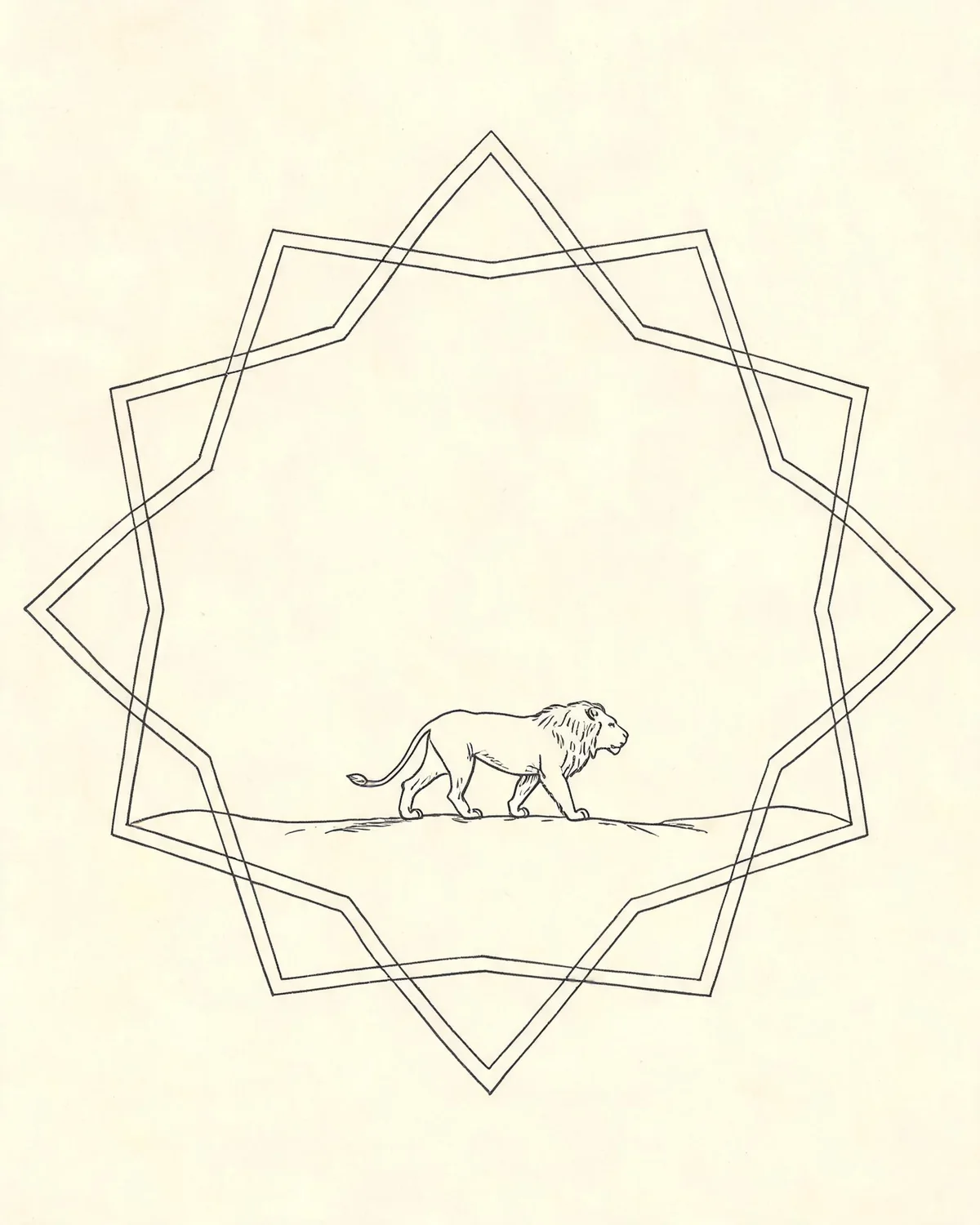
Animal pursuers are among the most searched forms of this dream, and classical manuals read each animal as a type of person. A lion stands for a tyrant or an unjust authority; tellingly, seeing a lion without being seen by it was read as escaping a harm you feared. A tiger carries similar weight, as an avowed enemy or an insolent person, and its bite as damage done by that person.
A snake is read as an enemy, often one close to home, such as friction with in-laws or a neighbor's jealousy. A black snake marks a strong opponent and a white snake a weak one. A dog stands for an insolent person who dares to do wrong; its bite is harm caused by an enemy, measured by how much it hurt in the dream.
So the question becomes who in your life fits the animal's temperament, and whether it reached you. A pursuer that never closes the gap leaves the reading lighter than one that bites, and an animal you manage to evade often matters less than the fear it stirred.
What Does Running Away from a Jinn Mean in an Islamic Dream?
Jinn appear often in the chase dreams Muslim readers ask about, and the tradition handles them carefully. In classical manuals, jinn in a dream represent deceit, cunning, trickery and illusion more than a literal visitor. Running from them can be read as pulling away from a deceptive person, from an unhealthy habit or from practices you already suspect are wrong.
There is also the question of where such a dream comes from. A night of pure terror, with a shadowy attacker and no clear scene, falls into the category the tradition attributes to Satan's attempt to frighten, and that kind of dream is not interpreted at all. The response handed down is protection: seek refuge in God, and do not let the dream govern the day that follows.
A jinn who speaks truthfully and with recognizable wisdom was, by contrast, read as good news. Even here, the behavior of the figure rather than its name carries the reading.

Is Running Away in a Dream a Good Sign in Islam?
Often it is, though the reason surprises people. Classical manuals read running away from something first as turning to God and seeking refuge in Him for safety and protection. Other readings attached to the flight include receiving an appointment and repenting from a sin, which makes running less an act of fear than an act of return.
The reading darkens when the running is a desertion. Turning your back in the face of a battle was read either as reverting to what is proper or as falling into wrongdoing, depending on what the battle was. Running away to hide from God was linked to letting devotion slide into heedlessness, the one flight in this tradition that moves away from refuge rather than toward it.
A present-day reader might hold this as a simple test. Are you running toward something steadier, or only away from something uncomfortable? The first is the hopeful version the tradition describes, and the second is worth a closer look.
What This Dream Is Not
A chase dream is not evidence that someone is actually hunting you, and it should not be used to accuse a relative, colleague or neighbor of bad intentions. It is not a verdict on your faith either, since fear in a dream has been read as calm and repentance as often as anything darker. And it is not a forecast of harm, loss or an ending; the graver images in older manuals belong to a vocabulary of symbols, not to a timetable for your life.
If one person keeps appearing as the pursuer, that is a reason for an honest conversation or a clearer boundary, not for suspicion. Read the dream as a picture of pressure and of the direction you turn under pressure, and let the waking facts decide what needs doing.
FAQ
What does it mean to be chased by a stranger in an Islamic dream?
Being chased by a stranger is read through how you feel about the pursuer: an unknown young man you dislike was read as an enemy who will surface and be disliked by others too, while one you like stands for an opponent people sympathise with. Either way, the stranger points to a pressure you have not yet named.
What does it mean to be chased with a knife in a dream in Islam?
A knife is read through whoever holds it. In older readings it stands for the servant or head of a household and the force of their commands, so a pursuer with a knife can picture authority at home turned sharply against you.
What does it mean to be chased by an elephant in a dream in Islam?
An elephant was read as a respected and feared enemy, slow-witted but carrying heavy responsibilities and skilled in strategy. Being chased by one suggests a large, powerful pressure, often an institution or senior figure, rather than a small personal grudge.
What does it mean if a wolf chases you in a dream in Islam?
Surprisingly, older readings linked a wolf chasing someone with happiness ahead for that person. The wolf itself usually stands for an unrelenting enemy, so the reading turns on whether it catches you or loses the trail before the dream ends.
What does it mean to be chased by a bear in a dream in Islam?
A bear was read as a deceitful, heavy-handed enemy or a thief, and sometimes as capture or confinement. Older readings also describe being struck with fear and distress and then escaping one's trials, so the way the chase ends matters most.
Can a chase dream be a true dream in Islam?
It can, but most are not treated that way. A dream with a clear, coherent scene and a calm feeling afterwards is the kind interpreters consider, while a muddled, purely terrifying chase is usually counted among dreams from the self or from Satan.
Should I tell someone about a frightening chase dream?
The traditional advice is to share a dream only with someone trustworthy, pious and knowledgeable, and never with a person who might be jealous of you. For a dream that held only fear, a quiet prayer for protection usually comes before any retelling.
Why do I keep dreaming that I am being chased?
Being chased night after night usually tracks a pressure that has not changed in waking life. Interpreters in this tradition would ask what you are still postponing, a debt, an apology or a decision, and whether facing it would end the pursuit.
What does it mean to chase something and never catch it?
Chasing what keeps slipping away was linked to wanting something that will not satisfy you, as when the world runs ahead of the person chasing it and leads them into temptation. The image questions the goal itself rather than your speed.
How to Use These Readings Today
Start by writing down three things while the dream is still fresh: what was behind you, where you were heading and how it ended. Those details carry most of what this tradition reads in a chase, and they fade quickly after waking.
Next, match the pursuer to your week. Name one person, duty or habit with the same temperament as whatever chased you, and one place you instinctively run when that pressure rises. If your refuge is prayer, a trusted friend or a plain conversation, the dream is showing a good instinct. If your refuge is avoidance, notice that too.
Then take one small step toward the thing you were running from: send the message, pay the instalment, ask for the meeting you have been putting off. If the dream left you shaken rather than curious, begin with a prayer for protection and let the interpretation wait until you feel steadier.