Falling in Islamic Dream Interpretation
The floor gives way, your stomach lifts, and for a heartbeat there is nothing under your feet. Classical Islamic dream reading treats that drop as a change of condition, and the questions below are the ones its interpreters asked of a fall: where it began, what received you, and what you were carrying in waking life when the ground moved.
On this page
- Key takeaways
- What Falling Means in Islamic Dream Interpretation
- How Islamic Dream Interpretation Reads Dreams
- Core Principles
- How the meaning changes
- Common Symbols Paired with Falling
- How This Tradition Differs from Others
- Is Falling in a Dream Good or Bad in Islam
- What Does a Falling Roof or Ceiling Mean in an Islamic Dream
- What Should You Do After a Frightening Falling Dream
- What it is not
- FAQ
- How to Use These Readings Today
- Related symbols
Key Takeaways
- Classical manuals read a fall as a change of state: in work, marriage, home, standing or religious life.
- What you land on weighs as much as the height; pasture or water read far more gently than a wild animal's den.
- A drop through open air holds two readings at once, lost standing and relief, and your feeling on the way down tips the balance.
- Falls from mountains and slips on bridges were tied to conduct, which turns the image toward an honest look at recent choices.
- Interpreters sort a dream before reading it; a fall that replays the day's worry may mean little.
- After a frightening dream, the tradition's response is practical and private.
What Falling Means in Islamic Dream Interpretation
The central reading is movement from one state to another. Older manuals list the shifts a fall can stand for with unusual range: comfort turning to strain, a marriage ending or a new spouse, a different trade, a move to another country, even a change in how a person holds their faith. Disappointment sits close to all of these, along with the feeling of a mistake that is hard to hide.
Those same manuals then turn the image around depending on where the fall ends. Landing in green pasture, among decent people or at a full table gives the drop a hopeful sense, as if circumstances had tipped you toward something better. Landing among people of bad character, or inside the den of a wild animal, keeps it heavy. Half the meaning lives in the destination.
Falling through air carries a doubled reading. Interpreters connected it with despair or a drop in standing, and in the same breath with release from distress and a need finally met. The tradition's habit of reading by contraposition, where an image may point to its own opposite, makes this less strange than it sounds: a person braced for loss can dream the drop at the very moment the pressure lifts.
A fourth layer concerns conduct. A foot slipping on a bridge, or a tumble down a mountainside, was linked in older readings to a moral slip, and a careless descent from high ground to losing the respect of superiors. A present-day reading would hold that lightly, as an invitation to review a recent decision rather than an accusation.
How Islamic Dream Interpretation Reads Dreams
Before reading any image, this tradition asks what kind of dream it was. Classical writers name three: the true dream that carries meaning, the disturbing dream attributed to Shaytan, and the ordinary dream stirred by the self, by a heavy supper or by the day's worries. A fall is a natural candidate for the second and third groups, because it frightens and because it so often follows a strained day. Interpreters were content to leave such dreams unread.
When a fall does seem to carry weight, the reader looks at three points in order. First, the starting place: a roof, a mountain, a bridge or open sky, each saying something about where you stood in life. Second, the ending: the surface or company that received you. Third, your circumstances, since the manuals shift a reading for someone travelling, in debt, recently honored or worried about work.
There is also a conviction that a dream tends to follow the way it is interpreted, so the first listener matters. Classical teachers therefore urged discretion with frightening dreams and asked interpreters to choose the kindest reading that honestly fits. For a fall, that usually means starting with the gentler possibilities in the list, relief, a change of trade, a move, before reaching for loss.
Core Principles
The destination outweighs the drop. A fall is read as passage toward something. Pasture, a gathering of good people, deep water or an unhurt landing in a valley soften or reverse the image; bad company, a beast's den or broken limbs keep it difficult. Before deciding what the fall means, settle what it led to and who was waiting there.
Height that was never yours reads differently from height that was. The manuals distinguish rising through effort, such as climbing a steep path with toil, from simply floating or sitting in the air, which they connected with inflated hopes and self-deception. A drop from earned height suggests strain on a real position. A drop from borrowed height can read as a correction, the dream deflating a hope that had outgrown its footing.
Opposites are allowed. Because an image can stand for its reverse, a fall that terrifies is not automatically bad and a fall that feels easy is not automatically good. Interpreters held both readings open and let your waking situation choose: a person already in distress who falls may be near release, while a person at ease may be meeting the first sign of strain. So the tradition asks first what was already shifting before the dream arrived.
What Changes the Reading of Falling
Each detail below moves the image in a different direction, so match the scene you remember before settling on any meaning.
Falling from a high building or ledge
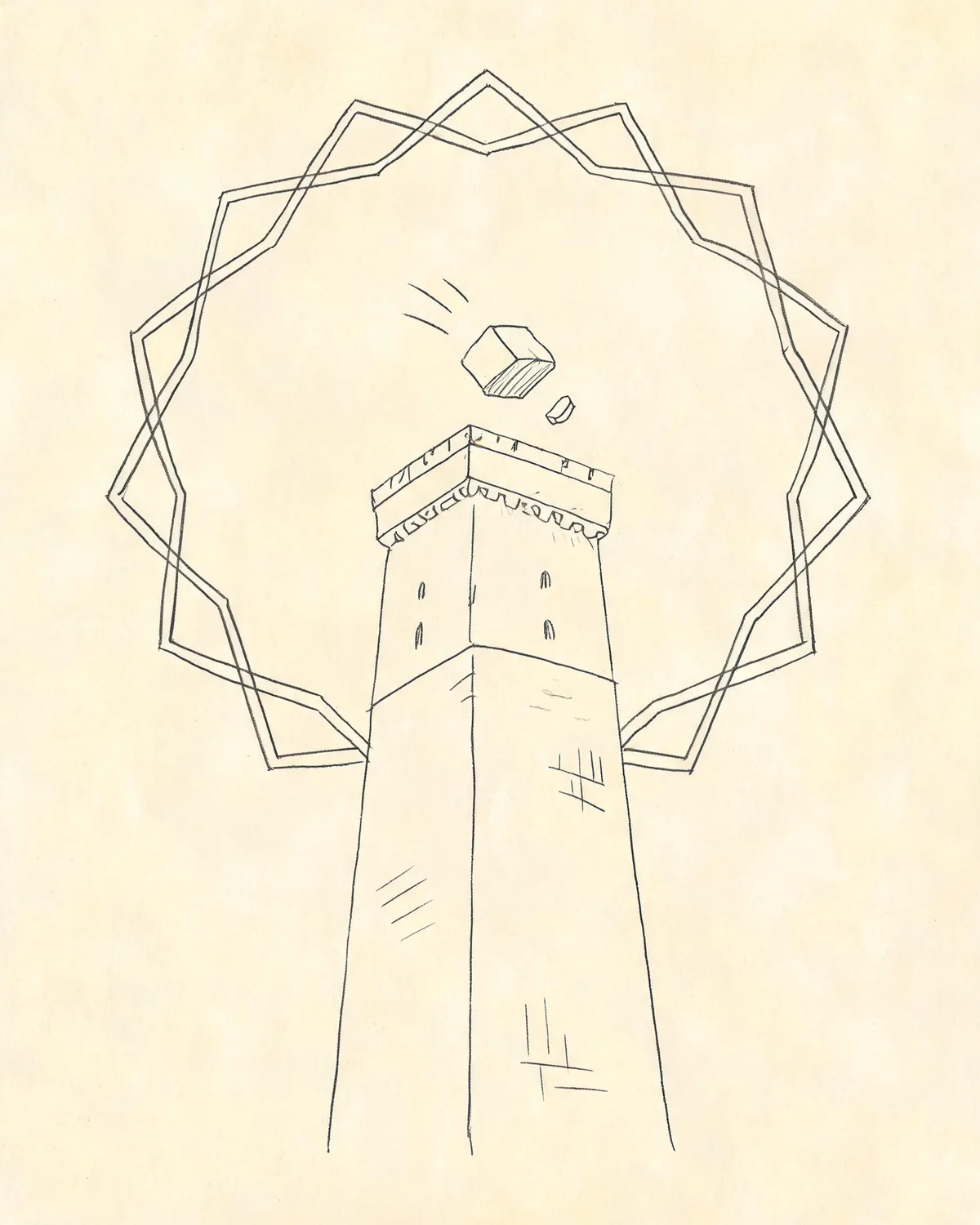
Coming down from an elevation was read as passing from a higher to a lower condition: a demotion, a lost post, a separation, a step back in standing. Yet coming down a steep slope could also mean a safe arrival and worldly blessing. Notice whether you plunged or descended. A plunge reads as a loss of control; a fast but survivable descent reads as change arriving quickly.
Falling through open air with no landing
Hanging between sky and earth was described as a worried heart that cannot decide what to do. A fall that goes on and on, with no ground in sight, fits that reading well. It tends to belong to seasons of suspended decisions, such as waiting on an answer, a result or someone else's choice, when your mind keeps rehearsing a drop it cannot finish.
Falling into deep water
Here the manuals turn unexpectedly hopeful. Sinking into deep water without touching the bottom was read as prosperity, because the world itself was pictured as a deep ocean, and a sudden plunge into water as joy and gain. A present-day reading would treat this less as a promise of money and more as entering something larger than you that does not crush you.
Falling into a well
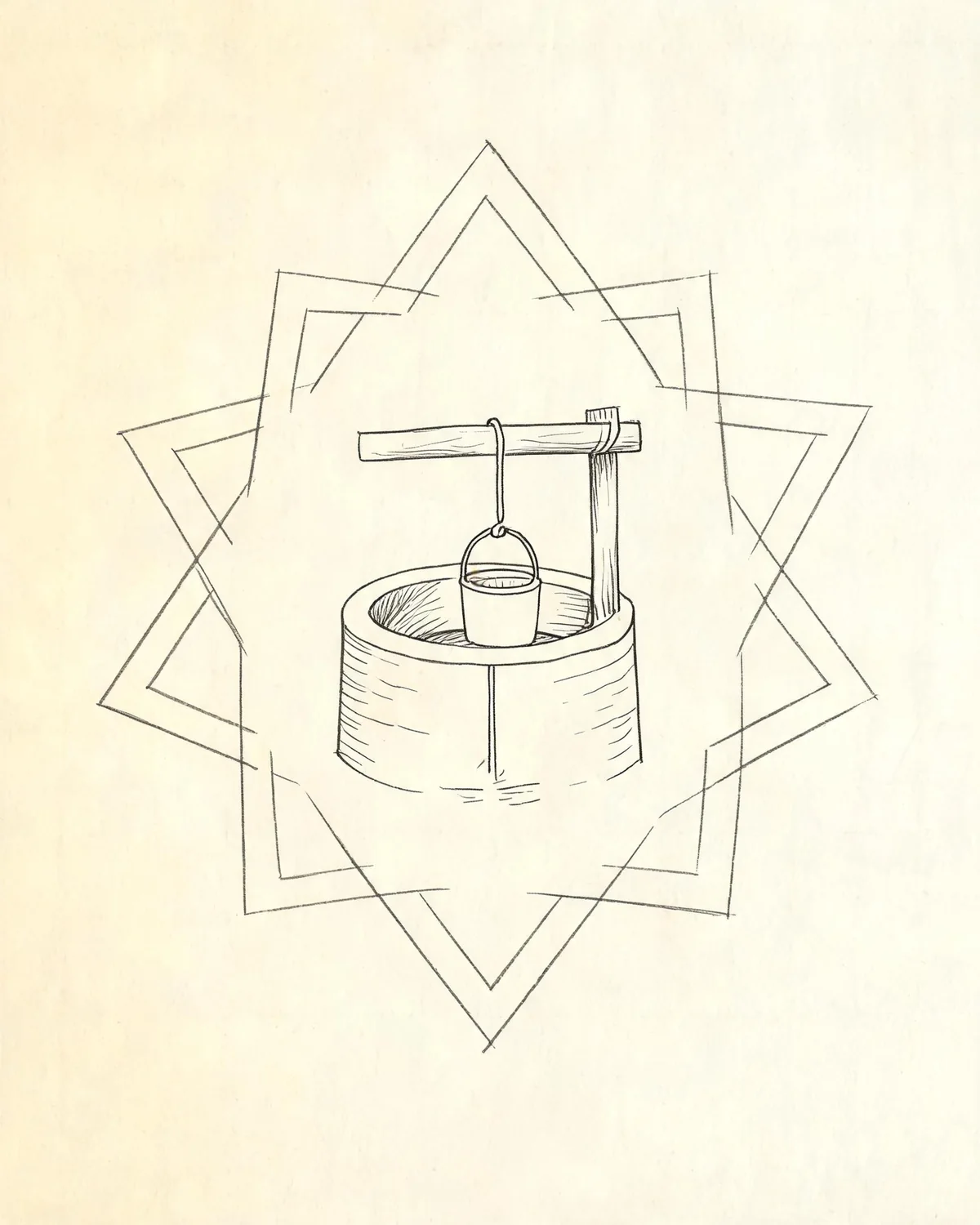
A well carries many meanings in this tradition: knowledge, marriage, a household's livelihood, but also confinement and deception. A fall into one asks which of these you have stumbled into. The tradition's best-known well story ends with rescue and honor, so a dark shaft leaves the outcome open. Watch whether there was water, light or a rope.
Slipping on a bridge or a slick floor
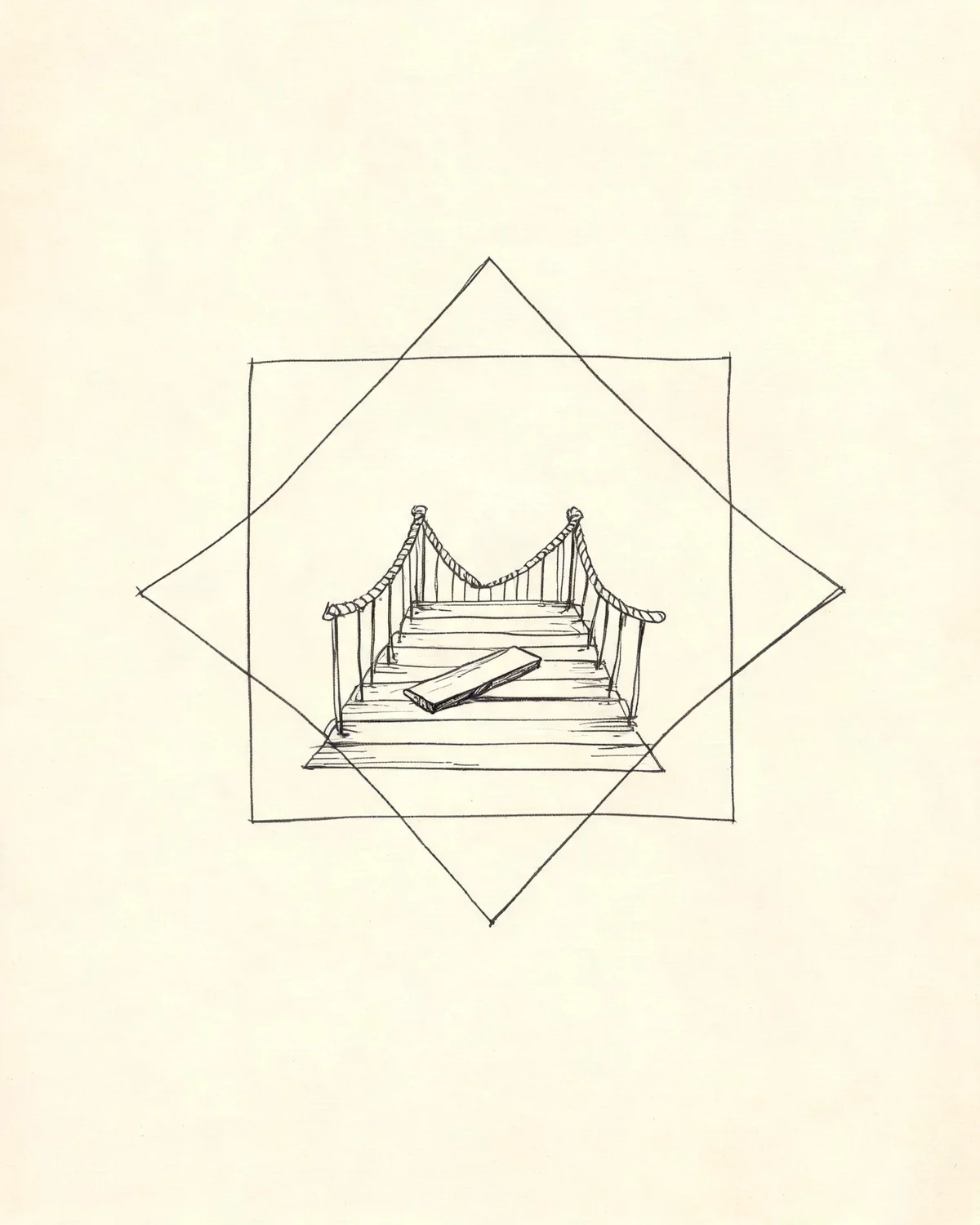
A bridge stood for the path of faith and the means of crossing safely, so a foot slipping on it was tied to wavering from that path. A slippery floor carries a softer and more surprising reading: wiping away an old wrong, or plain distraction and a mind that has lost its sharpness. Ask whether you were careless, rushed or simply tired.
Landing in pasture or at a feast
If the fall ends somewhere green or among people sharing food, the manuals reverse the usual weight of the image. A drop that delivers you into good company was read as gain, as though circumstances that looked like misfortune had placed you where you were needed. Look for the faces: strangers, family or people you hope to know better.
Falling from a mountain or cliff
Mountains in this tradition often stand for people of power and for steep ambitions. Older readings linked a fall from a mountain with a moral slip, and a fall that broke a leg with losing the regard of those above you. A present-day reading would ask where you feel exposed at work or in your community, and whether a recent shortcut is weighing on you.
Common Symbols Paired with Falling
Ladder. Ladders and stairways were read as the means of rising in station, step by step. Coming down an old ladder was linked to effort that earns nothing, and a ladder breaking halfway to losing ground to a rival. When a ladder and a fall share a dream, the question becomes how you were climbing, and whether the structure you trusted was sound.
Valley. One of the gentlest pairings in the manuals: a drop into a steep dry valley without pain or harm was read as a gift from a superior or someone in authority. A valley in bloom, with running water, pointed toward rising in station. The pairing shows how a frightening descent can be reread once you see where it set you down.
Mud. Tripping into thick mud sounds like humiliation, yet older readings linked it, for someone in need, with needs being met, and for someone unmarried with a household forming, trials included. Mud and a fall together suggest a messy change that still carries provision.
Flying. Rising and falling share one axis. The manuals read climbing a steep road as rising through effort, but ascending into the sky without means as a fall in rank. A dream that lifts you and then drops you may be asking how much of the lift was yours.
How This Tradition Differs from Others
Christian reading usually frames a fall within a story of moral descent and restoration, setting rising again beside the drop. Islamic manuals share the moral concern, yet spend more time on the practical texture of a life: rank, trade, marriage, travel and the company you keep. They also list hopeful and difficult outcomes side by side, leaving the choice to your circumstances rather than to a single narrative.
Older Greek interpreters ranked dreams by the social position of the person dreaming, so the same scene could favor a poor person and harm a wealthy one. Islamic interpreters adjust for circumstances too, though they keep conduct and intention in view alongside status, and they add a layer the Greek readers lacked: the prior question of whether the dream was meaningful at all.
Present-day dream research lists falling among the most frequently reported nightmare themes and reads it mainly as a picture of emotional state: fear, vulnerability, support gone missing. Islamic interpretation agrees that a fall can mirror the day's anxiety; that is precisely the dream it sets aside as ordinary. It differs by leaving room for a fall that means more than mood, and by surrounding that possibility with rules about who hears the dream.
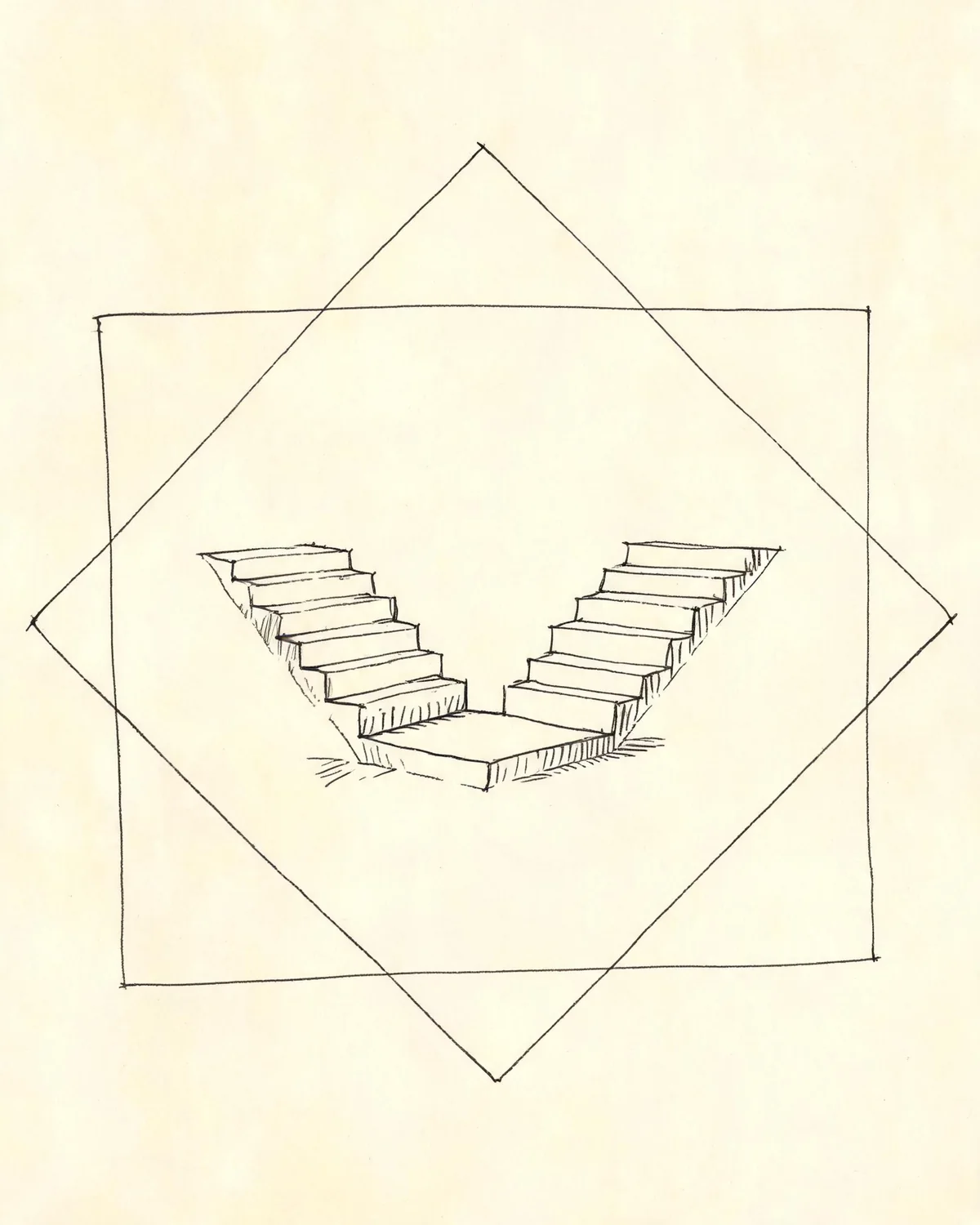
Is Falling in a Dream Good or Bad in Islam?
It can be either, and the tradition is unusually open about that. The same manuals that tie a fall to disappointment, lost standing or a change for the worse also tie it to relief from distress, needs fulfilled and gain, depending on where you land. Pasture, a feast, deep water and an unhurt landing in a valley all lean favorable. A wild animal's den, bad company or broken limbs lean difficult.
Two further tests help. The first is the kind of dream it was: a fall that replays a tense day belongs with ordinary dreams, which interpreters left unread, while a fall that stays vivid and orderly may deserve reflection. The second is your situation. Someone braced for loss who dreams of falling into calm water is in a different place from someone at the top of a career who dreams of tumbling off a ledge.
If you need a single word, "mixed" is closer to the tradition than either "good" or "bad".
What Does a Falling Roof or Ceiling Mean in an Islamic Dream?
When the structure falls rather than you, the reading shifts from your position to your household. Older manuals pictured the roof as a respected person who shelters others, often the head of the home. Rain soaking through and dissolving a ceiling was linked to lost money and a loss of favor, and the central beam breaking to a supporting figure being removed from office.
The heaviest classical line concerns a ceiling falling directly onto someone's head, which older readings paired with trial and hardship. A present-day reading would ask a different question: who or what holds up your home right now, and is that support under strain? A parent's health, a breadwinner's job or a long-running family tension can all appear as a sagging roof.
If instead you fall from your own roof and are hurt, the manuals connect it with emotional distress, money worries, a strained friendship or trouble with officials. Taken together, roof dreams ask where shelter feels thin, and who you could lean on or help steady.
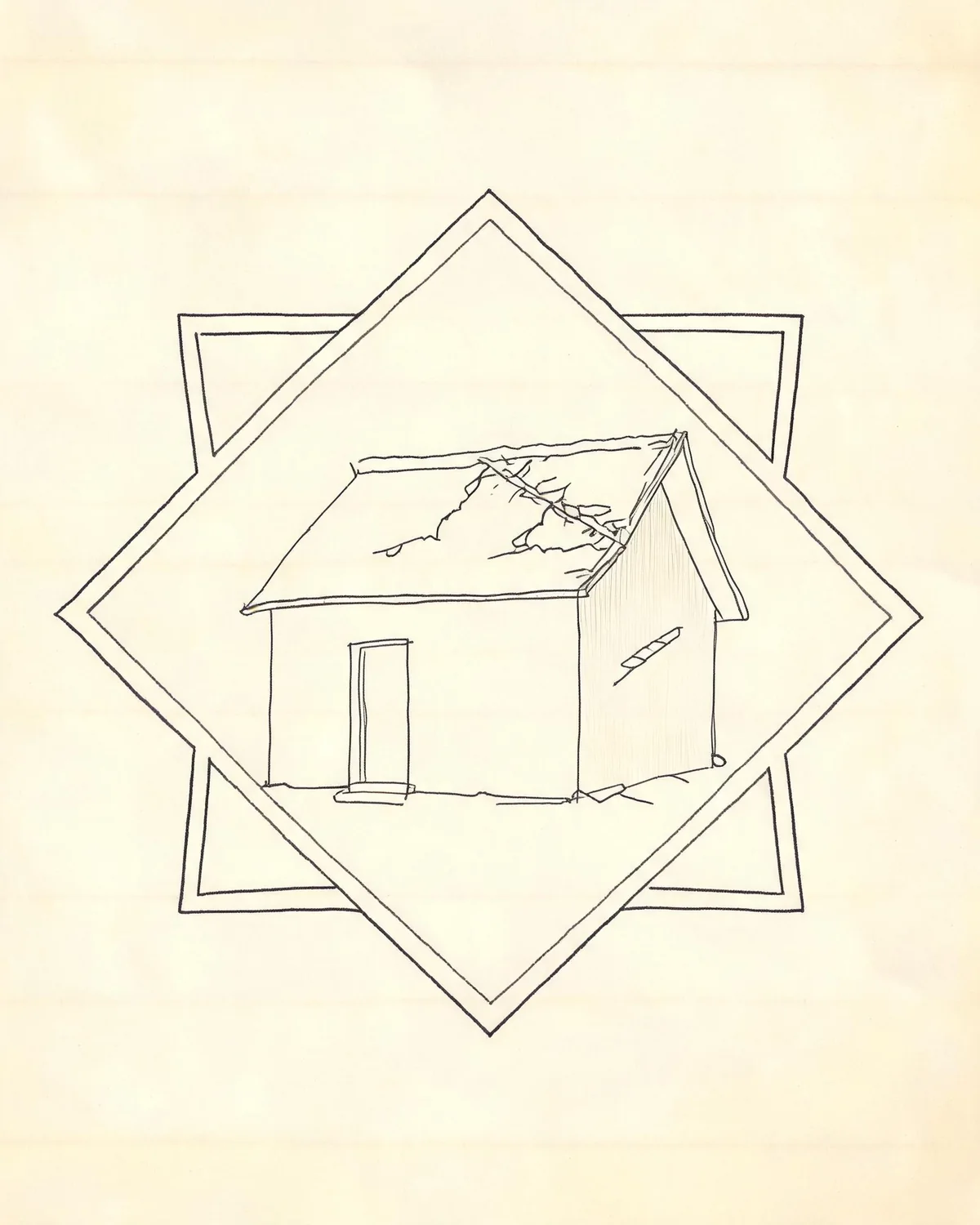
What Should You Do After a Frightening Falling Dream?
The tradition answers this practically. A disturbing dream was treated as something not to spread: classical teaching advised telling no one about a dream you dislike, getting up from bed and praying, and seeking refuge from troubling dreams before sleep. Some accounts add the old custom of spitting lightly to the left three times, a small gesture of setting the dream aside.
If you do want to talk it through, the guidance is to choose the listener carefully: a person who is both knowledgeable and well-disposed toward you, because a reading offered harshly can weigh on you longer than the dream itself. Friends who enjoy dramatic interpretations are poor choices for a dream that already left you shaken.
None of this requires you to decide what the fall meant. Setting the dream aside is itself a recognized response, and for falls that simply echo a tense day it is often the most fitting one.
What This Dream Is Not
Three things a falling dream does not do, even in the most detailed readings above:
- It is not a forecast of an accident, an injury or anyone's death. Classical interpreters read the fall as an image of shifting circumstances, not as a physical event on its way to you.
- It is not a judgment on your faith. Older readings that link a slipping foot or a mountain fall to a moral lapse were invitations to self-examination, and the same tradition allows that a frightening dream may not come from you at all.
- It is not financial advice. Pairing deep water with prosperity, or a fallen ceiling with loss, describes an image, not a reason to change what you do with your savings, your debts or your job.
FAQ
What does falling in a dream mean in Islam?
It is usually read as a change of condition, in work, family, standing or religious life. Interpreters then look at the landing, because pasture, water or good company reverse the image's weight, while a pit or bad company keep it difficult.
Can a falling dream come from Shaytan?
The tradition allows that a falling dream can come from Shaytan. Frightening dreams that leave you anxious and confused were often placed in the category attributed to Shaytan, and the advice was to set them aside rather than search them for meaning or repeat them to others.
What does it mean to see someone else fall in a dream?
Seeing another person fall turns the reading toward that person or toward your relationship with them. You may be worried about their footing at work or at home, or aware of a change in their life that affects yours. Notice whether you tried to help.
Is a falling dream the same as teeth falling out in Islam?
No. Teeth falling out has its own long history in the manuals, tied mostly to family and relatives. For that image, see the teeth falling out page; a fall of your whole body is read through condition and standing instead.
Why do I jolt awake when I fall in a dream?
Many people wake with a start just before landing, and the jolt can make the dream feel urgent. In this tradition, an abrupt, chaotic dream fits the ordinary category more than the meaningful one, so the jolt alone adds little to the reading.
What does falling down the stairs mean in an Islamic dream?
Falling down the stairs is read through the stairs themselves, which the manuals take as a picture of rising in station and sometimes of the days of a life. Tumbling down them suggests a setback within a gradual climb, a project or promotion that slipped a few steps, rather than a collapse of everything you built.
Why do I keep having the same falling dream?
A repeated fall usually follows a situation that keeps repeating, such as an unresolved job worry, a tense household or a decision you keep postponing. Write down what changes between versions, especially the landing, since that detail often moves first.
Does a falling dream mean I will lose my job?
Older readings did list a lost post among a fall's possible meanings, but they set it beside relief and gain. If work is already on your mind, the dream is far more likely to be mirroring that worry than announcing an outcome.
What does falling into a hole mean in a dream?
The manuals read it surprisingly lightly: falling into a hole and calling for help without answer was tied to a short trip, and hiding inside one to fears being calmed. A hole can mark a pause or a narrow passage more than a trap.
How to Use These Readings Today
Start by writing the scene in three lines: where you fell from, what you passed through, and what received you. Most falling dreams lose their detail within minutes, and the landing is usually the first thing to go, yet it is the part this tradition reads most closely.
Next, set those three lines beside the areas the manuals name: work, household, marriage, standing in your community and faith. Choose the one where something is already in motion. If nothing fits, the dream may simply belong with the ordinary dreams the tradition sets aside, and that is a valid outcome.
Finally, pick one small action that addresses the ground rather than the fall. If a ladder felt rotten, check one assumption your plan rests on. If you landed among strangers, contact someone you have been meaning to reach. If the dream left only fear, follow the tradition's own advice: keep it to yourself, pray or rest, and let the day carry on.