Tornado in Islamic Dream Interpretation
A dark funnel drops from the clouds and starts to move, pulling dust, branches and roof tiles into its spin. Islamic dream interpreters treat a tornado as one of the weightiest weather images, yet their readings turn on surprisingly small details: where the storm stood, whether it touched you, whether you were afraid and which way the wind blew. Those details, more than the storm itself, are what the sections below work through.
On this page
- Key takeaways
- What a Tornado Means in Islamic Dream Interpretation
- How This Tradition Reads Dreams
- Core Principles
- How the meaning changes
- Common Symbols Paired with Tornado
- How This Tradition Differs from Others
- What Does Surviving a Tornado Mean in a Dream in Islam
- What Do Multiple Tornadoes Mean in a Dream
- What Does a Black Tornado Mean in a Dream in Islam
- What it is not
- FAQ
- How to Use These Readings Today
- Related symbols
Key Takeaways
- Older manuals group the tornado with destructive winds and treat it as an image of upheaval and force beyond anyone's control.
- Wind in this tradition stands for authority, so a tornado often concerns who holds power over a situation, including you.
- Harm decides much of the weight: a storm that wrecks things and one that passes by are read very differently.
- Fear inside the storm is evidence, since being carried calmly and being lifted in terror receive opposite readings.
- Direction matters, with a wind at your back read more kindly than one blowing in your face.
- Shelter, survival and rebuilding are among the most hopeful forms of the image.
What a Tornado Means in Islamic Dream Interpretation
Islamic dream interpreters are blunt about tornadoes. They file the image alongside storms and destructive winds and give it heavy words: destruction, calamity, upheaval. A present-day reading takes that weight seriously without turning it into an announcement of events. What the older readings describe is force beyond control, arriving fast and rearranging whatever stands in its path, and that experience is usually what the image holds for the person who sees it.
The tornado's family resemblance to wind adds a second layer. In this tradition, wind stands for authority and for the sphere in which someone can change things: a ruler and his commands, an employer, a parent, or your own power to steer events. A tornado is that power concentrated and spinning out of anyone's hands, so it often appears when a decision made elsewhere is reshaping your life, or when your own influence has outrun your ability to direct it.
Older manuals also attach a moral note, reading a destructive cloud as the consequence of turning away from what is right. That reading belongs to its setting and needs gentle handling. A present-day reading keeps only the question it raises: is something in your conduct or commitments out of order, and has the storm brought it to the surface?
Finally, a smaller and surprising line in the same manuals reads a tornado as money, a wife or a servant, things that enter a household with force and change its whole arrangement. Upheaval in this tradition is not only loss. Strong winds also bring pollination, harvest and news from far away.
How This Tradition Reads Dreams
The first step is sorting: interpreters in this tradition separate a true dream from a disturbing one and from the mind's replay of the day, and tornado dreams often fall into the second or third group. A person who watched storm coverage before bed, lives under seasonal tornado warnings, or is anxious about a looming change may dream of funnels for reasons that need no symbolic reading at all.
When the image does seem weighty, interpreters look at the person first. Older manuals give the same wind different meanings for a traveller, for someone unwell, for a commander and for a merchant whose goods will not sell. A tornado in the dream of a student facing exams, a worker during layoffs or a family in the middle of a move would each be read against those circumstances.
Then the details are read together: where the storm was, whether it touched you, whether there was fear, whether the sky was dark or clear. Classical readings say plainly that wind with nothing cheering beside it reads differently from wind accompanied by something good. That attention to the whole scene, rather than to the word tornado alone, is the heart of the method.
Core Principles
Harm decides the weight. Older readings of storms, rain and hail turn on whether damage is done: the same weather that ruins one field is read as blessing when it falls without harm. A tornado that destroys and one that passes by are not the same dream.
Fear changes the reading. Classical readings of wind distinguish being carried without fear under a clear sky, read as rising and success, from being lifted in terror under dark clouds, read as hardship. Your feeling inside the storm is part of the evidence, not a side detail.
Direction counts. Wind from a known direction is read as mercy and as news arriving from that quarter, and a storm that runs ahead of a commander is read as victory while one that meets him head-on is read as defeat. Whether the tornado drove you forward or blocked your path changes what it says.
Power is the subject. Because wind stands for authority and control, a tornado dream usually concerns who holds power over a situation: someone above you, a system you depend on, or your own force of will. Asking whose wind it was often opens the dream faster than asking what it destroyed.
What Changes the Reading of a Tornado
A tornado dream can lean toward threat, protection or even momentum, and these scenes are the ones that most often tip it.
A Funnel Seen Far Off Across Open Land
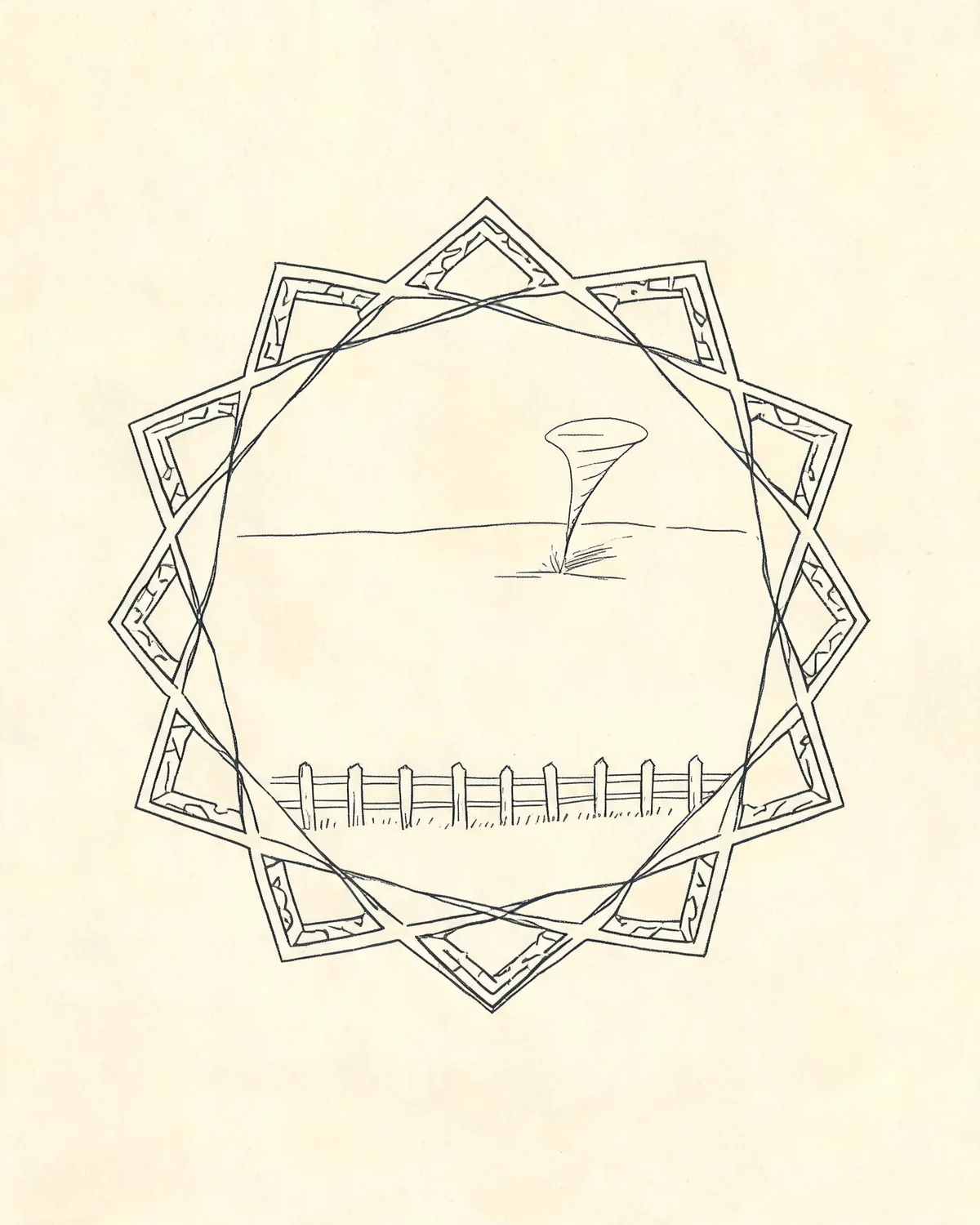
Watching a tornado from a distance keeps you outside the storm. Older readings treat a great wind sweeping across a region as an image about a whole community rather than one person, so a distant funnel can picture upheaval in your workplace, town or family network that you see coming but cannot steer. Notice whether you felt safe watching or kept waiting for it to turn toward you.
A Tornado Heading Straight for Your Home
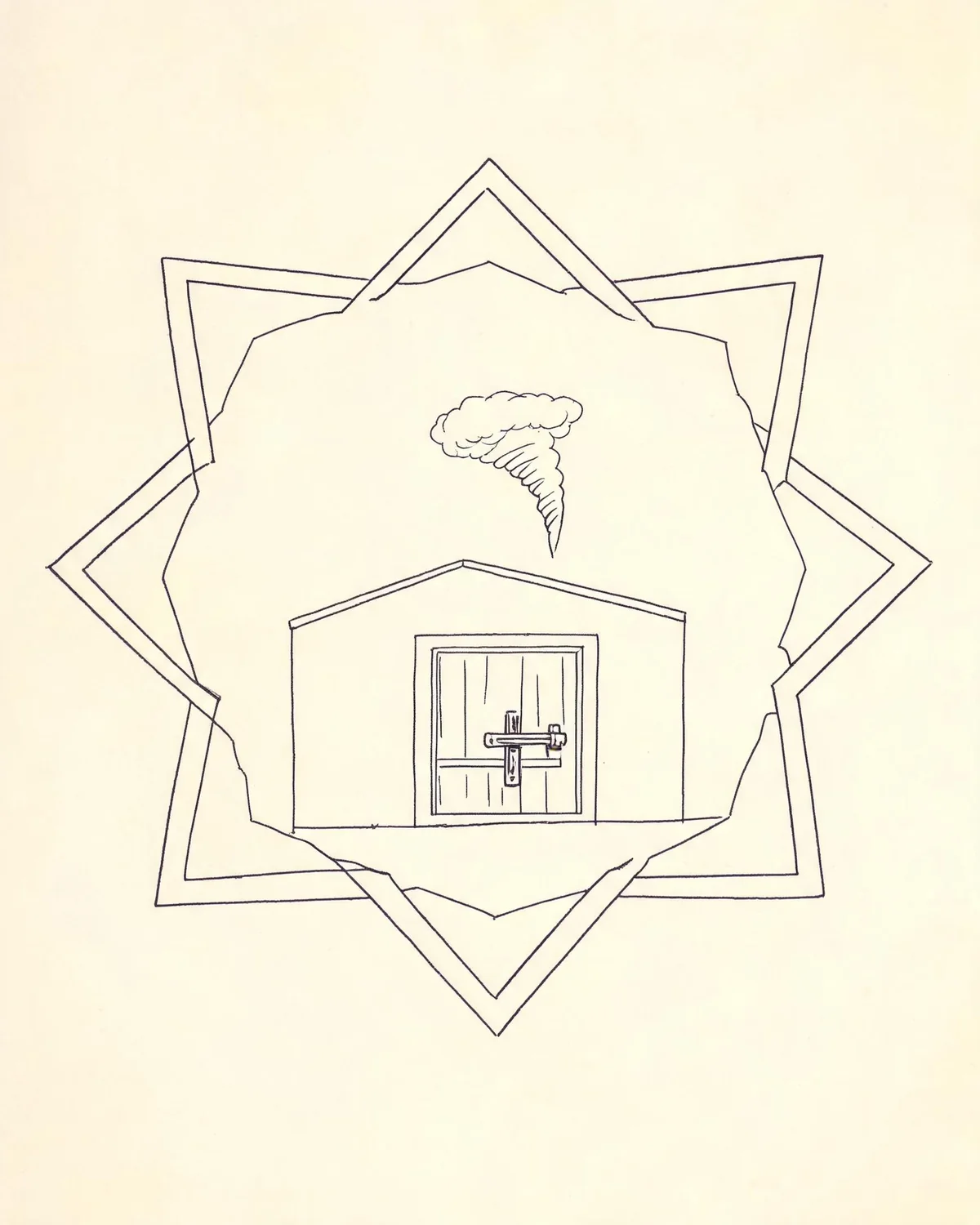
When the funnel moves toward your own house, the reading becomes personal. A dwelling in this tradition reflects the life and deeds of the one who lives in it, and older readings of floods commend the person who fights to keep the water out for the sake of family and property. Bolting doors or gathering people inside leans toward protectiveness; standing frozen leans toward feeling unable to defend what matters.
Being Lifted and Carried by the Wind
Being swept up is one of the most vivid tornado scenes. Classical readings split it sharply: carried calmly under a clear sky, it reads as rising in standing or success in work, while being lifted in fear under dark clouds or dust reads as hardship. Present-day readers often recognize the first as a change they quietly welcome and the second as one forced on them.
Taking Shelter Underground or in a Cave
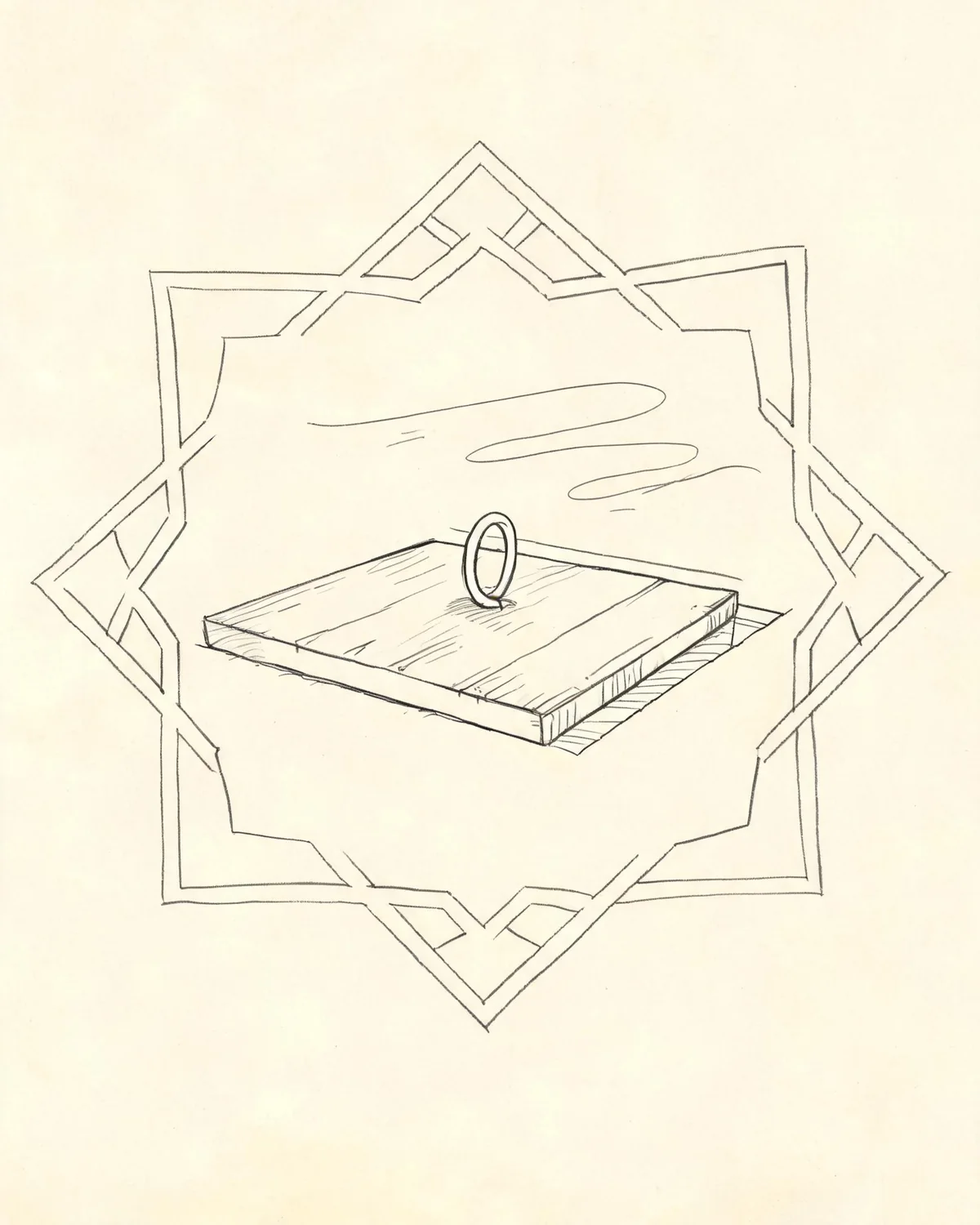
Hiding from a tornado brings in the older reading of the cave as safety, rescue from an enemy and trust in God. A cellar, basement or rocky shelter can picture the people, practices or faith you turn to under pressure. If the shelter held, the dream leans toward resilience; if you could not find one, it may point to support worth building before the next difficult season.
A Storm at Your Back or Blowing in Your Face
Older readings of a commander and his army draw a clear line: a storm that runs ahead of the troops is read as victory, while one that meets them on arrival is read as defeat. In your dream, a wind pushing you forward can picture momentum that speeds a change you wanted. A wind driving you back can picture resistance that deserves respect rather than a fight.
Dust and Debris Filling the Air
Some tornado dreams are less about the funnel than about the murk it throws up. Classical readings describe a cloud of dust as a strange happening that no one knows how to get out of. Debris swirling around you can picture confusion after a sudden change, when facts are scattered and it is hard to see what is still standing or where to begin.
A Gentle Breeze That Gathers into a Funnel
A calm wind in older readings stands for grace, blessing and journeys taken with joy. A dream in which a breeze slowly tightens into a tornado can picture something good that has grown more intense than you expected: a project, a relationship or a responsibility that began lightly and now pulls at everything around it. The question becomes how to bring it back to a workable size.
Common Symbols Paired with Tornado
A tornado with rain changes the tone. Older readings treat a rainstorm that causes no harm as blessing, profit and mercy, so a storm that brings rain alongside its force can picture a hard season that also waters something. When only wind and dust arrive, with no rain at all, the older readings lean toward dryness and difficulty instead.
A tornado near a house sharpens the question of what you are protecting. Dwellings in this tradition are a person's world and a reflection of their deeds. Older readings also offer a hopeful image here: a destroyed house standing upright again is read as the spiritual awakening of its owner, which makes the house the place where recovery, not only damage, can be seen.
A tornado with ordinary wind before or after it places the funnel inside a wider weather story. Winds in this tradition carry tidings, and a wind from a known direction is read as news and mercy from that side. A dream that begins with a breeze, or ends with one, softens the funnel between them.
A tornado at night adds darkness, which older readings associate with confusion and losing one's way. Walking out of darkness into light is read as safety and guidance, so whether the scene ends in a dark or a brightening sky is one of the most telling details in the whole dream.
How This Tradition Differs from Others
Psychological dream writing tends to read a tornado as emotional turmoil: anxiety, anger or a life that feels out of control. That reading is widespread in general dream guides and fits many dreams well, especially those that arrive during stressful or uncertain weeks at home or work.
Classical Islamic interpretation shares the sense of overwhelming force but places it in a wider world. The storm is linked to authority, to the life of a community and to moral order, so its questions are less about inner mood and more about who holds power, who is affected and how people are conducting themselves.
Biblical imagery often presents the whirlwind as a setting for divine speech and as part of the language of judgment. Islamic manuals likewise see winds as carrying tidings, gentle or hard, but they give unusual weight to small details: direction, fear, whether rain comes and whether harm is done. Two people can dream of the same funnel and receive quite different readings because of those details alone.
These approaches can sit side by side. You can recognize the stress a tornado dream reflects and still ask the questions this tradition raises about responsibility, community and the forces shaping your circumstances.
What Does Surviving a Tornado Mean in a Dream in Islam?
Surviving is one of the most searched tornado scenes in an Islamic frame, and the tradition offers an encouraging reading. Older manuals treat escaping danger, or living through what should have been a fatal accident, as a reflection of devotion, religious awareness, fasting, charity and good deeds. The emphasis falls on what sustains a person rather than on the storm itself.
In present-day terms, surviving a tornado often pictures coming through a disruptive period with your core intact: a job loss, a family crisis or a sudden move. The dream may arrive after the worst has passed, as the mind takes stock of what held.
Details refine it. Climbing out of a shelter to find your street still standing leans toward relief and gratitude. Helping others from the wreckage leans toward responsibility within your community. Surviving alone while others are missing is a heavier image, and it usually reflects worry for people close to you rather than anything about what lies ahead.

What Do Multiple Tornadoes Mean in a Dream?
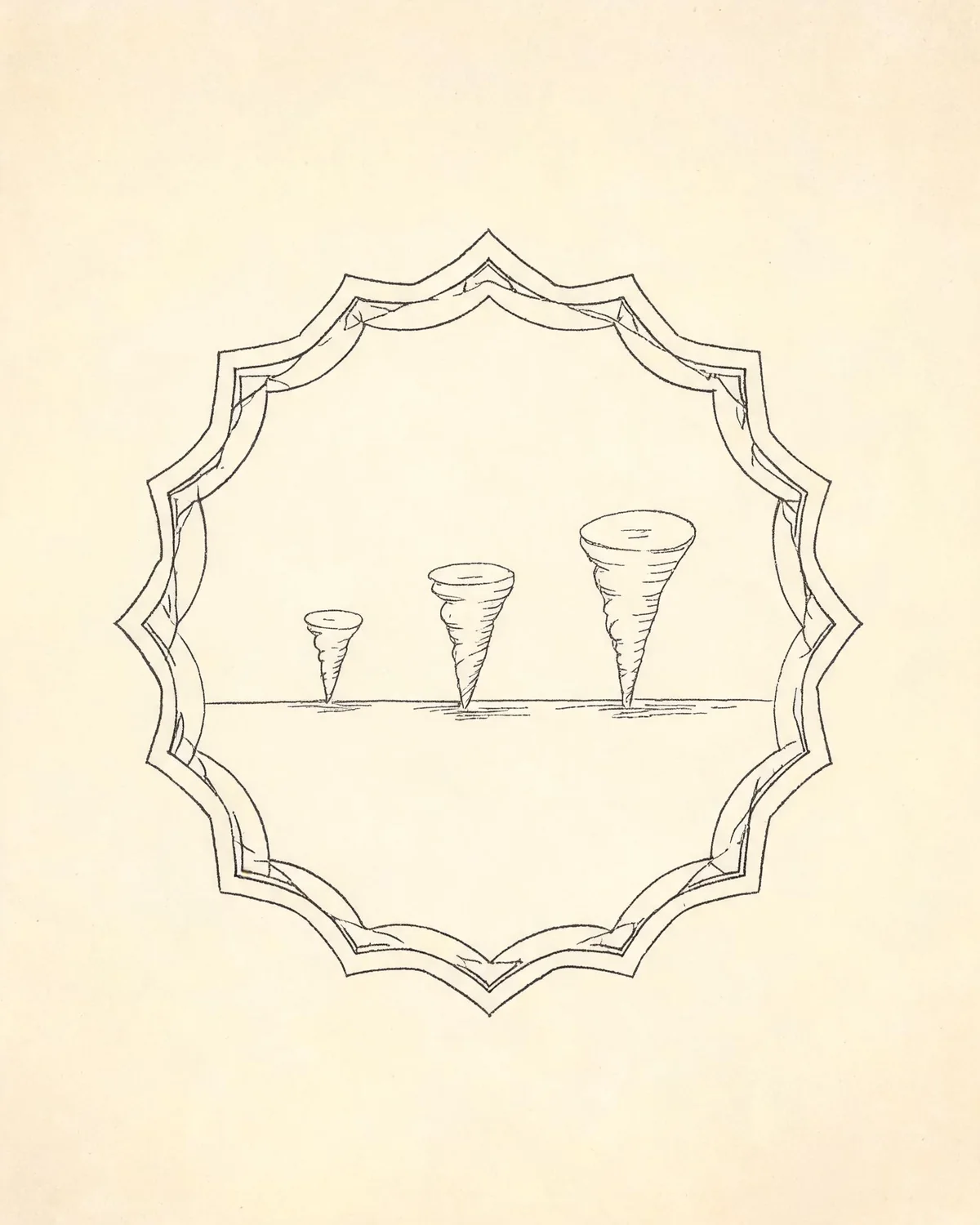
Several funnels on the horizon at once is a common variation, and it shifts the reading from one overwhelming event to many pressures arriving together. Classical manuals say little about multiple tornadoes as such, but because they read wind as authority and command, a sky full of storms can be read as competing demands from different directions: work, family, money and your own wellbeing all pulling at once.
How they move matters. Tornadoes circling at a distance can picture worries you are monitoring but not yet facing. Funnels merging into one larger storm may picture separate problems feeding each other until they feel like a single crisis. Watching them dissolve one by one leans toward a season of pressure that is already easing.
A useful approach is to count. If you can name what each funnel stood for, the dream often becomes less frightening and more like a list of separate tasks that can be met one at a time.
What Does a Black Tornado Mean in a Dream in Islam?
A dark or black funnel is a frequent search in an Islamic frame, and color does carry weight here. Older readings describe black clouds that carry stones or thunder as the harshness of a leader who deprives people of their rights, and they read dark clouds and dust around a frightening wind as a hard stretch of road for a traveller. A black tornado can therefore picture pressure from someone with power over you, or a period that feels both dangerous and hard to read.
The tradition is not uniformly dark about black, though. Elsewhere, black is linked with prosperity, dominion and authority, especially for people accustomed to wearing it. A black funnel that you watch calmly, or that passes without touching anything, may picture power rather than threat: a strong force in your life whose direction is still open.
Light in the dream is the clearest counterweight, so a black funnel followed by clearing skies leans toward a hard passage that ends in understanding.
What This Dream Is Not
A tornado dream is not a forecast of real storms or of harm to you or your family, and it marks no one for misfortune. It is not a verdict that you have been punished, even though older manuals attach a moral note to destructive clouds; no reader of dreams can make that judgment about someone else, and the tradition itself warns interpreters against speaking with false certainty. Nor is it an instruction to make a drastic change straight away.
If you live where tornadoes are real, the dream may simply reflect the ordinary vigilance of that life, and practical preparation is a sensible response in its own right. Read as an image of force, power and preparation, the dream can be useful; read as a threat, it only adds fear.
FAQ
Is a tornado a good or bad sign in an Islamic dream?
It is one of the heavier images in classical manuals, which link it with upheaval. Yet the reading turns on detail: no harm done, calm feelings, shelter found or a storm at your back all lighten it considerably.
Is a storm read the same way as a tornado in Islam?
Closely, but not identically. Storms and tornadoes share the reading of wind as authority and force, while a tornado concentrates that force into one spinning point. A storm that brings rain also carries the gentler meaning of rain as mercy.
What does wind mean in an Islamic dream?
Wind is read as authority, as the sphere in which someone can change things, and as a carrier of news. A gentle breeze is linked with grace and joyful travel, while a violent, shrieking wind is read as hardship for the place it strikes.
Can a tornado in a dream mean money or family?
One lesser-known line treats a tornado as money, a wife or a servant. Read today, that suggests forceful change can bring gain and new ties to a household, not only disruption.
Is a tornado dream a punishment in Islam?
Older manuals tie a destructive cloud to disobedience, but that is a reading to reflect on, not a judgment anyone can pass. A present-day reading treats it as an invitation to check your conduct and commitments, without fear or self-condemnation.
What does a tornado mean if you are travelling?
A tornado with dark clouds and a frightening wind, seen while you are travelling, is read in the older sources as a difficult stretch of road. Today it often reflects anxiety about a trip or a transition, and calm practical planning usually answers it best.
What does rebuilding after a tornado mean in a dream?
Rebuilding after a storm can picture renewal after upheaval: values reconsidered, priorities restored and a life arranged more deliberately than before. The work of clearing and rebuilding often matters more in the dream than the damage that preceded it.
Should I pray or give charity after a tornado dream?
Many Muslims respond to an unsettling dream with prayer, a quiet act of charity and a decision not to dwell on it. That response turns worry into something steady and useful, and it needs no special interpretation to be worthwhile.
Why do I keep dreaming about tornadoes?
Repeated tornado dreams often track a stretch of instability, such as uncertain work, family strain or a change you cannot control. They may also follow storm news or real weather nearby, so noting the day before each dream can reveal the pattern.
How to Use These Readings Today
Start by separating the storm from your feelings about it. Write down where the tornado was, whether it touched you or your home, and what you felt in the moment: terror, awe, calm or the urge to protect someone. Those details carry most of the reading.
Then ask where force and authority are moving in your life. Is someone else's decision reshaping your plans? Are several pressures arriving together? Is your own momentum running ahead of your judgment? Name the one area the dream seems to describe most closely, and resist the urge to read every storm in your life into it.
Finally, choose one steadying act for the week ahead. It might be a conversation with the person whose decisions affect you, a practical step such as checking an emergency plan, or a regular time for prayer or quiet reflection. Small preparation makes a storm, real or symbolic, feel less like something that simply happens to you.