A Letter, a Key, a Tooth Under Your Pillow
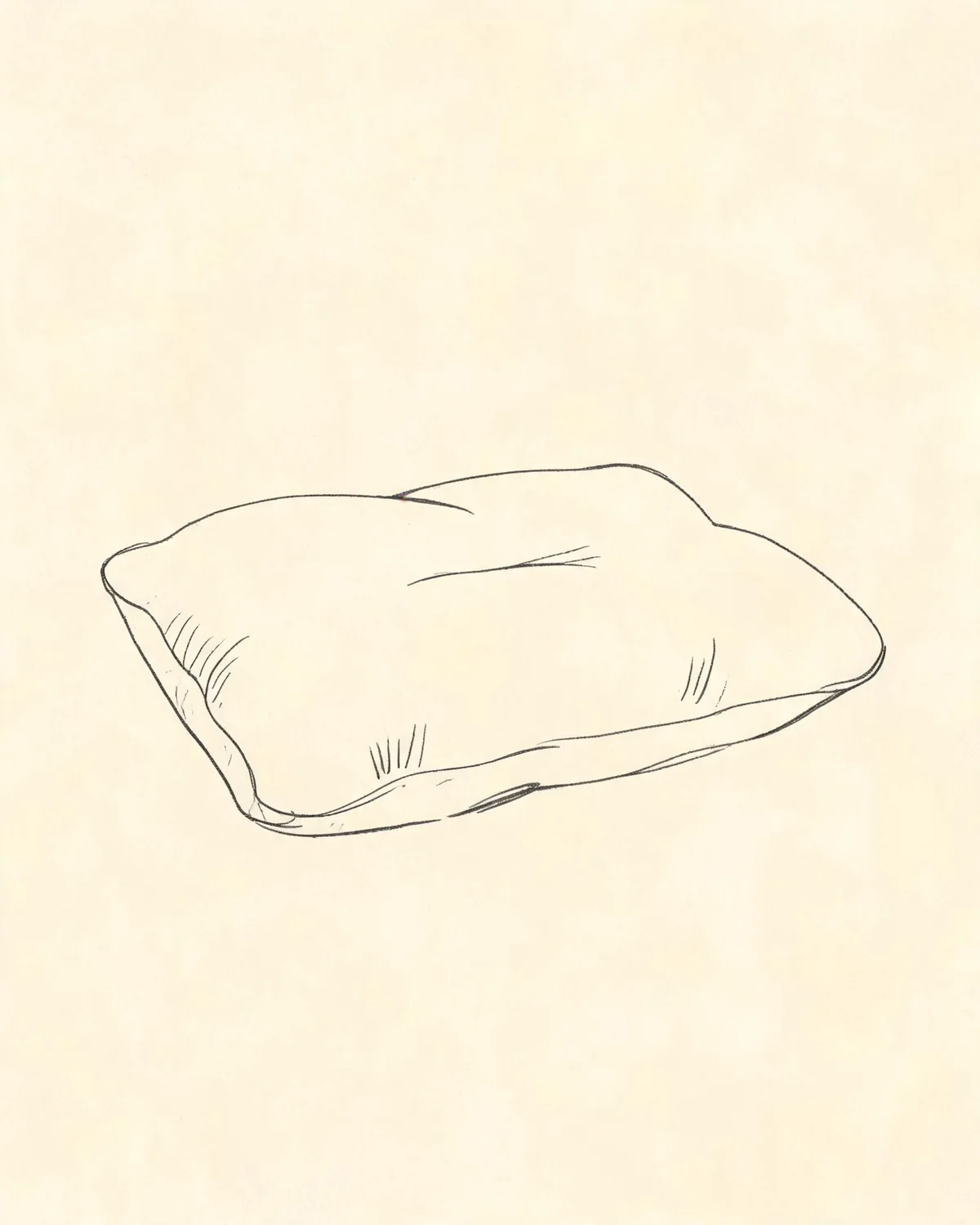
A pillow in a dream is a small object with a large role: it holds the head, softens the night and marks the place where rest begins. It may be clean, stained, missing, too soft, too hard, shared with someone or placed over a face, and the dream's reading turns on comfort, trust and what supports you. A pillow can stand for rest, intimacy, dependence or a place to hide. The dream asks what is holding you up and whether you can let go.
On this page
Key Takeaways
- A pillow usually stands for rest, comfort, intimacy or the support a person relies on.
- A soft, clean pillow leans toward safety and repair; a stained or missing one toward discomfort or loss.
- Sharing a pillow can mean intimacy, trust or a relationship that is too close.
- A pillow over the face can mean suffocation, secrecy or a wish to block out the world.
- The dream's feeling — peace, unease, warmth or fear — is the strongest clue.
What It Means When You Dream of a Pillow
A pillow is where the head rests, and in dream language the head carries thought, worry and identity. A dream of a pillow can therefore point to what supports your mind: a relationship, a home, a belief or a routine that makes rest possible. The object is humble, but its meaning is about the conditions that allow you to let go.
The pillow is also intimate. It is close to the face, it carries the smell of a person and it is shared only with those who are trusted. A dream of a pillow can be about intimacy, dependence, care or the fear of losing the support that makes sleep possible.
A pillow can hide things, too. It can cover a face, muffle a sound or conceal an object beneath it, and that gives the image a darker possibility: comfort used to smother, protect or hide. The dream's tone decides which side is showing.
A pillow is also a boundary object. It touches the face, the breath and the dreams of the night, and it is the last thing adjusted before sleep. A dream that gives it unusual weight may be asking about the conditions you need before you can stop working.
Pillows carry memory through smell and texture. A hotel pillow, a childhood pillow and a partner's pillow are not interchangeable, and the dream may use those differences to point at a place, a person or a period of life.
Why This Dream Shows Up Now
Pillow dreams often arrive during a period of exhaustion. A new job, a baby, a period of worry or a run of poor sleep can put rest at the center of the mind, and the dream turns the need into a simple object. The pillow may be a plain message from the body.
They can also surface around intimacy. A shared pillow, a pillow that smells of someone or a pillow that has been taken away can mirror a relationship's closeness, distance or dependence. The dream may be asking how much support you are willing to accept.
Sometimes the dream is about comfort and guilt. A soft pillow can mean luxury; a stained one can mean shame; a pillow used to block out noise can mean a wish to escape. The dream asks what you are trying to shut out.
Pillow dreams can also follow a stretch of poor sleep. When rest is broken, the mind may turn the cause into a simple object: the wrong pillow, the missing one, the one that is too soft. The dream may be asking for practical care rather than a hidden message.
How the Meaning Changes
The state of the pillow and your action decide the reading.
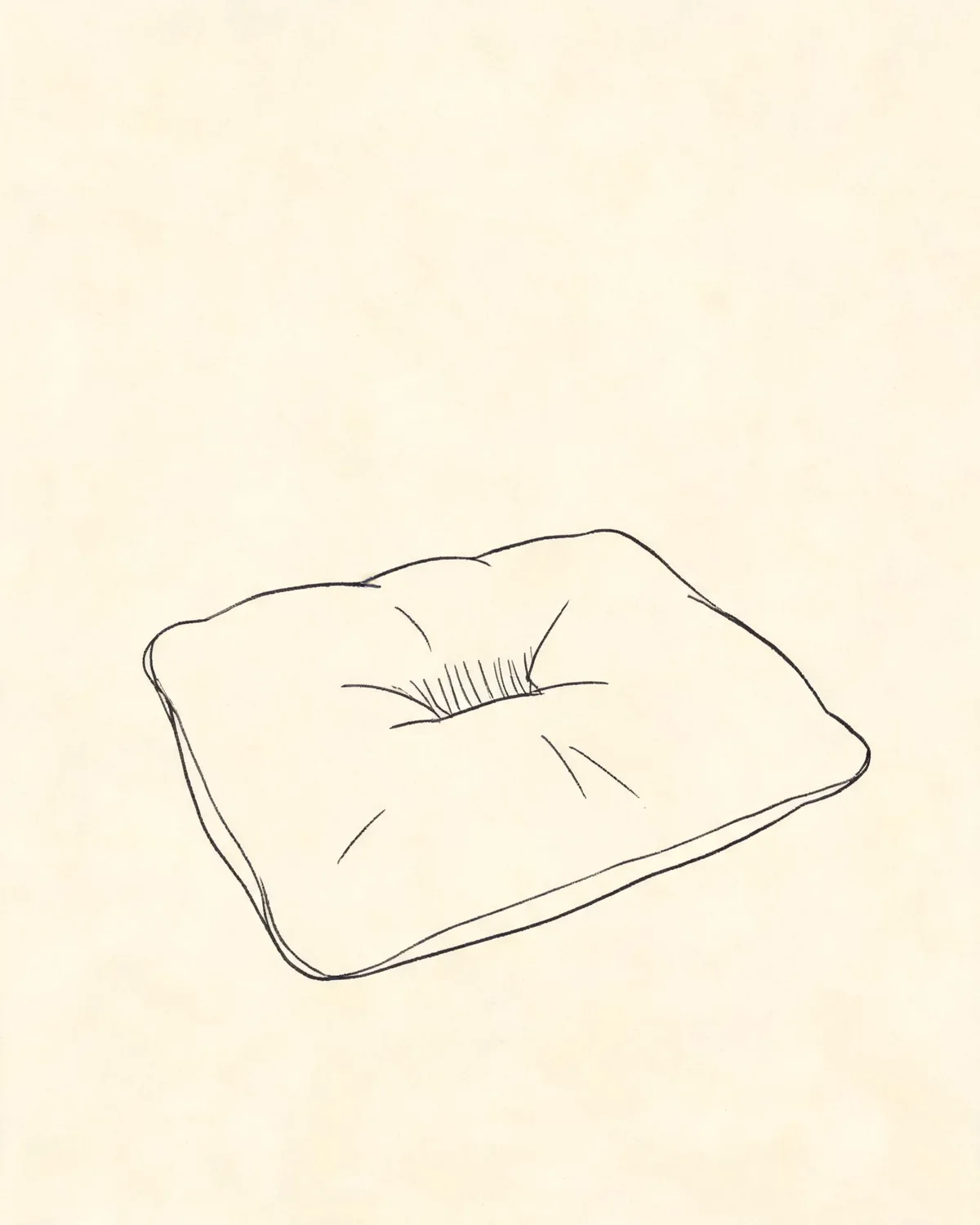
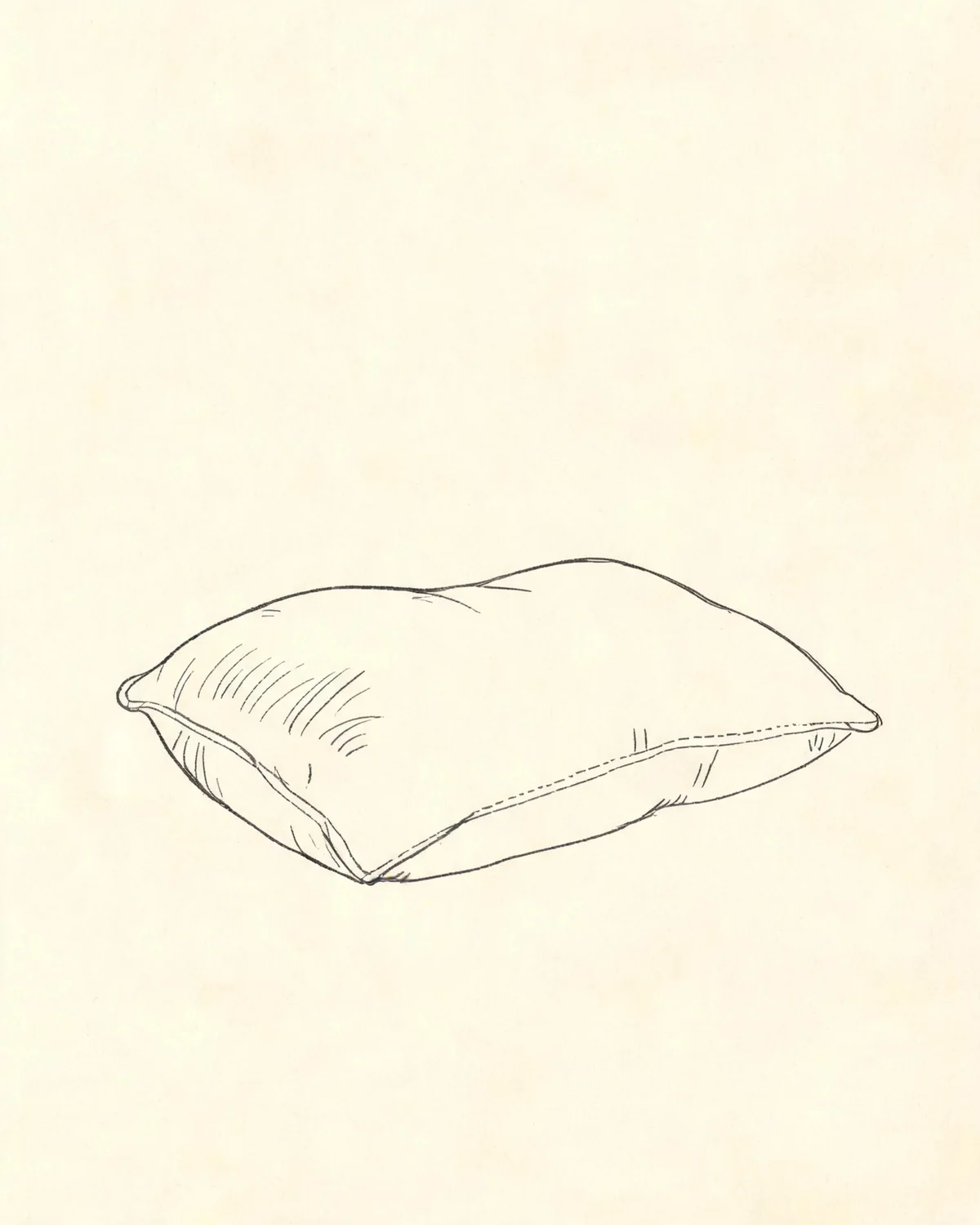
A soft, clean pillow
A soft, clean pillow leans toward rest, safety and repair. It can mean that you have found a place where the mind can settle, or that comfort is available and should be accepted.
A stained or damaged pillow
A stained pillow can mean shame, an old hurt or a comfort that has been spoiled. It can also mean that a support is no longer healthy and needs to be replaced. A stain can be old or fresh; if you try to turn the pillow over, the image leans toward concealment rather than repair.
A missing pillow
A missing pillow can mean lost comfort, a support that has been removed or a night that will not be restful. The search matters: if you look for the pillow, you are still trying to restore comfort; if you lie down without it, you may be accepting a loss.
Sharing a pillow
Sharing a pillow can mean intimacy, trust or a relationship that is very close. It can also mean a lack of boundaries or a dependence that has become uncomfortable. The distance between the two heads is telling; a shared pillow can be tender, crowded or too close.
A pillow over the face
A pillow over the face can mean suffocation, secrecy or a wish to block out the world. It is a strong image and should be read gently: it may point to feeling smothered rather than to any real danger.
A pillow on the floor
A pillow on the floor can mean neglect, a fall from comfort or a support that has been cast aside. A pillow on the floor can be a small domestic defeat; the dream may be asking who dropped it and whether anyone will pick it up.
Something hidden under a pillow
Something hidden under a pillow can mean a secret kept close, a hope, a tooth or a small treasure. Because it is kept so close to your head, the object may represent a thought, a hope or a worry rather than a physical secret.
How Cultures Have Read This Dream
Pillows are domestic objects with a long history, and their dream symbolism tends to follow the bed: rest, intimacy, comfort and the boundary between waking and sleeping. In many traditions the bed is a private place where a person is most vulnerable, and the pillow shares that vulnerability because it is closest to the face.
Folk readings sometimes treat a pillow as a sign of laziness or luxury, while others treat it as a sign of peace and protection. In modern dream writing the pillow is more often read through comfort, intimacy and the need for rest. The pillow is what holds the head when the body gives way.
Story traditions have long used the pillow as a threshold: a headrest marks the place where a dream begins, and a borrowed pillow can belong to another life. The object is small, but it sits exactly where waking turns into sleep.
A pillow can also mark a change of place. The first night in a new home, a hospital bed or a hotel room often comes with a strange pillow, and the dream may be registering the unfamiliar support rather than a hidden meaning.
What Is the Spiritual Meaning of a Pillow Dream?
A spiritual reading of the pillow begins with surrender. A person lies down, places the head on a pillow and trusts that the night will hold them, and that small act of trust can be a picture of faith. A dream of a pillow can be a call to rest or a reminder that support is available.
The pillow can also be a picture of what you are relying on. A soft pillow can mean a healthy support; a hard or missing one can mean that you are trying to rest on something that cannot hold you. Ask not whether the pillow is lucky, but whether the support is real.
Is a Pillow Dream Good or Bad?
A pillow dream is not fixed as good or bad. A soft, clean pillow leans toward rest and safety; a stained, missing or smothering pillow can point to discomfort, loss or a support that has become unhealthy.
The dream's emotion decides the tone. Peace suggests that rest is welcome; unease suggests that support feels fragile; fear suggests that comfort has become a trap. Instead of asking whether the dream is lucky, ask what the pillow was doing and whom it was shared with.
Carrying a Pillow in a Dream: Looking for a Place to Rest
Carrying a pillow from place to place suggests that you are trying to take comfort with you. The pillow is a portable piece of rest, and the image can mean a search for a safe place to settle, a wish to bring familiarity into an unfamiliar situation or a reluctance to leave a comfortable role. The dream may also be about a transition: you are between places and have not yet found a new place to rest.
It can also mean that rest feels conditional: you can only relax when a particular object, person or routine is near. Notice where the pillow was being carried and whether you found somewhere to put it down. The dream asks what you need in order to feel at home, and whether that support can travel.
Pillow Fight in a Dream: Play, Conflict or Affection
A pillow fight turns the pillow into a playful weapon. The image can mean affection, flirtation, sibling rivalry or a conflict that is being kept light enough to survive. It may also mean that you are avoiding a serious conversation by turning it into a game, or that a relationship has enough trust to hold a mock fight.
Notice who was involved, whether anyone got hurt and whether the fight ended in laughter or tears. The dream shows how you handle tension. Ask whether the play is bringing people closer or covering something that needs words.
What This Dream Is Not
A pillow dream is not a prediction that a relationship will end or a judgment that you are idle, and it says nothing about someone else's bed or home. The image belongs to the language of rest, support and intimacy.
Nor does a pillow over the face mean that real danger is present. The image may be showing a feeling of being smothered by a situation, a person or a demand. If the dream leaves a bad feeling, that feeling deserves care; it does not reveal the future.
Modern Dream Research
Pillow dreams carry the body's report of the night: a stiff neck, a room too warm, a bed that is not yours. Sleep scientists describe how the sleeping brain keeps monitoring the body's position and comfort, which is why a pillow — the object closest to the head — can anchor a scene about rest, support and what is kept close. The bed is not just furniture; it is where you are most unguarded.
In the dream, was the pillow soft, stained, missing or shared, and who was beside you? Name the support that currently feels thinnest in waking life, and write down one small way to restore it this week. The room around the bed carries its own clue: notice whether you could settle into it or kept adjusting the pillow, since that adjustment is often the dream's real subject.
Making Sense of It for Yourself
A few gentle steps can help: check the condition, ask who shared it, and notice the rest; a soft, stained, missing or smothering pillow each points somewhere different, and intimacy and boundaries are often the real subject.
Write down the pillow's condition and the person beside it. A clean pillow in a quiet room points one way; a stained pillow in an unfamiliar bed points another, and the contrast usually names the support that feels missing.
If the pillow was missing or shared, name one support you could ask for this week and one boundary you could state.
Religious and cultural readings
The pillow carries a different reading in each tradition. Explore:
FAQ
What does a pillow symbolize in a dream?
Its condition decides the reading more than the object: clean and soft leans toward support, stained toward an old hurt, missing toward a support that has gone.
What does it mean to share a pillow in a dream?
Sharing a pillow can suggest intimacy, trust or a closeness that has become too tight. The dream asks how much support you want, whether boundaries still feel comfortable and what the relationship can hold.
What does a pillow over the face mean in a dream?
A pillow over the face can picture smothering, secrecy or a wish to block something out; notice who held it and whether you could breathe.
What does a stained pillow mean in a dream?
A stained pillow can point to shame, an old hurt or a comfort that has been spoiled. It may also mean a support has become unhealthy and needs to be replaced rather than repaired.
What does a pillow on the floor mean in a dream?
A pillow on the floor can picture comfort that has been dropped or a boundary that slipped; notice whether you picked it up.
What does it mean to find something under your pillow?
Finding something under a pillow, such as a letter, a tooth or a key, can picture a thought you have kept close without looking at it. What the object is usually names the worry or hope.
Is a pillow dream about sleep?
It can be. A pillow dream often appears during exhaustion or a change in routine, and the image may be a plain message from the body asking for rest. A short nap during the day can leave the same trace, so the dream may simply reflect a recent rest.
How should a pillow dream be used?
Treat the dream as a question about rest and support, not as a message about the future. Ask what holds you up, whether that support is steady and what you need in order to let go.