Falling Asleep Inside a Dream You're Already Having
Sleeping in a dream is a strange loop: you are asleep inside sleep. You may see yourself lying in bed, watch someone else sleep, try to wake and fail, or feel a heavy tiredness that will not lift even after waking. The image usually points to rest, escape, vulnerability or a part of life that has gone quiet. It can also be a plain message from a tired body. The dream asks whether sleep is restoring you or hiding you.
On this page
- Key takeaways
- What it means
- Why it shows up now
- How the meaning changes
- How cultures read it
- What Is the Spiritual Meaning of a Sleeping Dream
- Is a Sleeping Dream Good or Bad
- Dreaming That You Cannot Wake Up
- Seeing Yourself Sleeping in a Dream
- What it is not
- Modern research
- Making sense of it
- Religious readings
- FAQ
- Related symbols
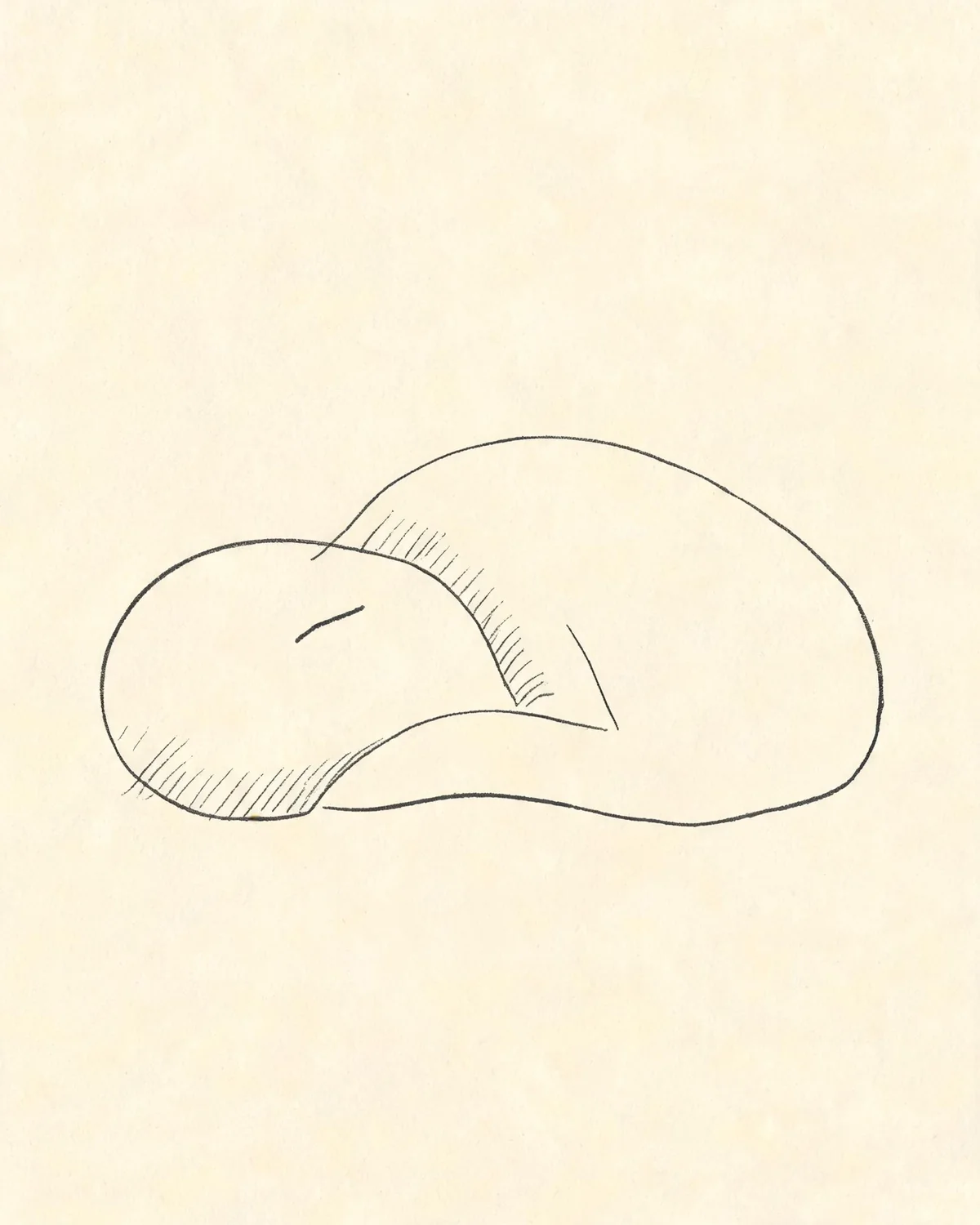
Key Takeaways
- Sleeping in a dream often stands for rest, escape, vulnerability or something that has gone dormant.
- Watching someone sleep can mean distance, care, suspicion or a relationship that has become quiet.
- Being unable to wake up can mean feeling trapped or overwhelmed.
- Sleeping in the wrong place can mean that rest has become avoidance.
- The dream's feeling — peace, fear, boredom or relief — is a strong guide.
What It Means When You Dream of Sleeping
Sleep is where dreams happen, so a dream about sleep is unusually self-referential. It can mirror your actual fatigue, especially during a period of poor rest or overwork. In that reading the dream is simple: the body is asking for rest, and the mind has turned that need into an image of sleep within sleep.
The image can also mean escape. If waking life feels demanding, a dream of sleeping may picture a wish to switch off, retreat or let someone else handle things for a while. The dream is not lazy; it is showing a need for recovery or a wish to avoid a problem that will still be there on waking.
Sometimes the dream is about vulnerability. A sleeping person is unguarded, and watching someone sleep can carry tenderness, protectiveness or suspicion. If you are the one asleep, the dream may be asking what is happening while you are not paying attention.
Why This Dream Shows Up Now
Sleeping dreams often arrive during exhaustion. A new job, a baby, a demanding season or a run of late nights can put sleep at the center of the mind, and the dream reflects the body's need rather than a hidden symbol.
They can also surface around avoidance. If a decision, a conversation or a task has been postponed, the dream may show sleep as a way of not being present. The image is not a criticism; it shows how you are managing a demand.
Sometimes the dream is about safety. Sleeping peacefully in a strange place can mean trust; sleeping in a place that feels unsafe can mean vigilance. The dream asks whether you can let go, and what would make that possible.
How the Meaning Changes
The setting and your role decide the reading.
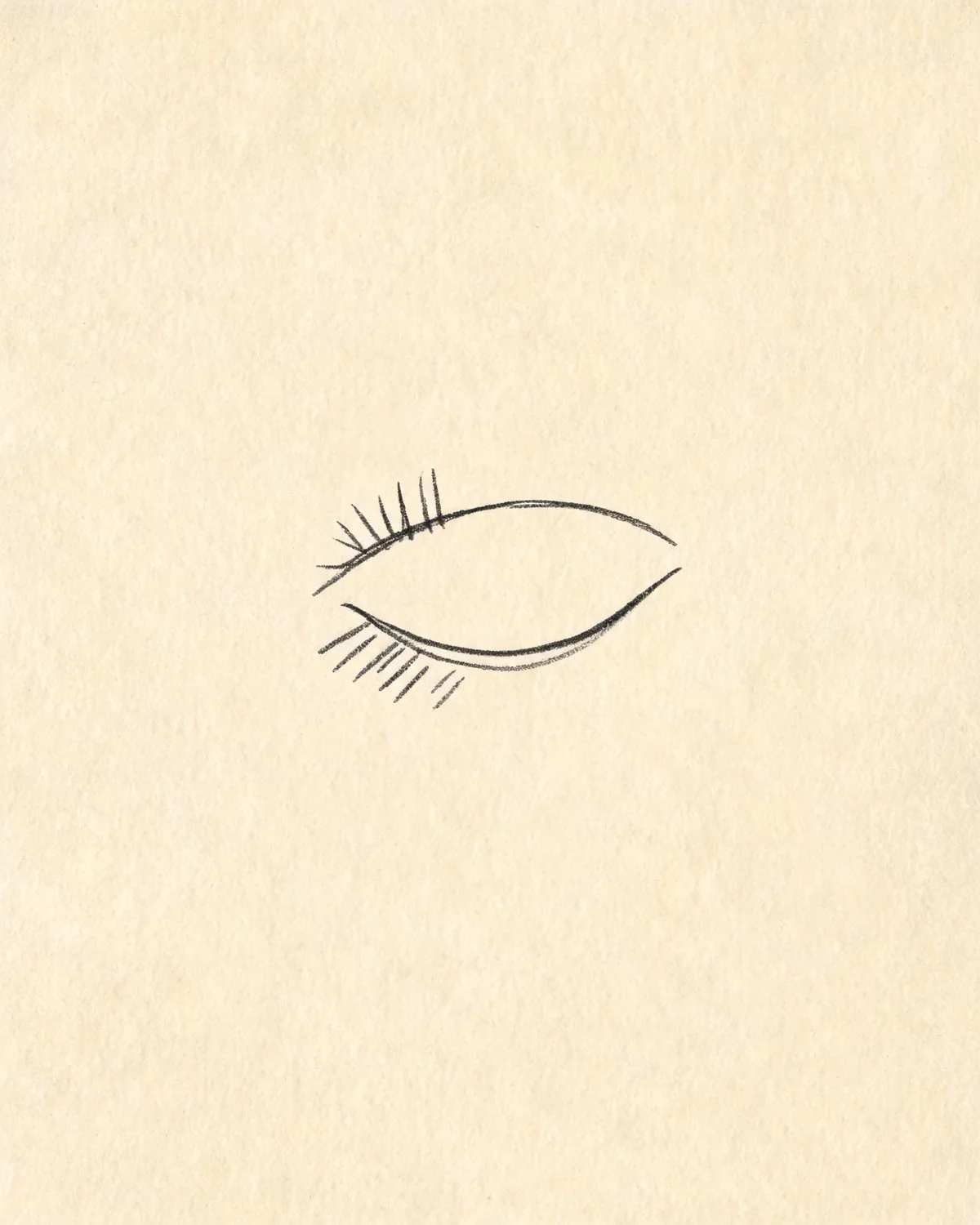

Sleeping in your own bed
Sleeping in your own bed usually reads as rest, comfort and familiarity. It can mean that you feel safe enough to switch off, or that life has become too routine. The sheets, the pillow and the sound from the next room show whether the bed felt like yours or like a place you were allowed to use.
Sleeping in a strange place
Sleeping somewhere unfamiliar can mean vulnerability, adventure or displacement. Notice whether the place felt safe or exposed, because the dream's tone turns on that difference. A train seat, a lecture hall or a beach at dusk each carry a different kind of exposure, and the risk often matches what you are afraid to miss.
Watching someone sleep
Watching someone sleep can mean tenderness, distance, protectiveness or suspicion. The dream may be showing a relationship in which one person is present and the other is unavailable. The distance between you and the sleeper matters: standing in the doorway is not the same as lying beside them.
Falling asleep somewhere dangerous
Dozing off at the wheel, at a desk or in a crowd turns rest into risk. The image often tracks exhaustion you have been pushing through, and asks what would happen if you stopped on purpose instead.
Sleeping through something important
Sleeping through an event can mean missing an opportunity, avoiding a responsibility or feeling that life is moving on without you. The dream may be asking what you are afraid to face.
Sleeping in the daytime
Daytime sleep can mean rest, but it can also mean escape or a schedule that has lost its shape. Notice whether the light felt peaceful or wrong. A nap at noon can also be a simple need the body is insisting on.
Waking up inside the dream
Waking inside a dream can mean a sudden realization or a wish to end a situation. It often leaves you unsure whether the waking was real, which mirrors the uncertainty being processed.
Sleep as a place to hide
Sometimes the dream is less about rest than about disappearing. Sleeping through a celebration, a crisis or a chance to speak can picture a wish to be excused from a demand you cannot meet. The image shows how much a situation is asking of you.
Notice who noticed that you were asleep and what happened next. If someone covered you, the dream may be asking for care; if someone shook you awake, it may be showing a part of you that is ready to return. The difference is useful because it turns a vague feeling of guilt into a concrete question: what are you avoiding, and what would make it easier to show up?
How Cultures Have Read This Dream
Many traditions treat sleep as a threshold between the ordinary world and the world of dreams, visions or the dead. Sleeping in a dream can therefore be read as a second threshold: a dreamer going deeper into the place where messages are received. Some traditions value the sleeping state as a time when the soul is less defended, which is why dreams are taken seriously.
Folk readings often treat sleep as an image of death or of a life that has gone quiet, though that is only one possible reading. In modern dream writing sleep is more often about rest, escape and the need to switch off. Across the traditions the common thread is that sleep is not empty time; something happens while the eyes are closed.
What Is the Spiritual Meaning of a Sleeping Dream?
A spiritual reading of sleeping begins with surrender. Sleep is a daily act of trust: you let go of control and become vulnerable. A dream of sleep can therefore be a picture of faith, rest or a need to let something be handled by a larger process.
A caution about spiritual sleep runs through some traditions: a person can be awake but not truly present, and a dream of sleeping through something important can mirror that condition. Ask whether the dream's sleep feels like restoration or like absence. A dream of sleep can also be a picture of waiting: you have stopped, but the world has not. The rest may be welcome, or it may be a way of postponing a decision.
Is a Sleeping Dream Good or Bad?
A sleeping dream is not fixed as good or bad. Peaceful sleep tends toward rest and safety; disturbed sleep, inability to wake or sleeping through something important can point to stress, avoidance or a feeling of being trapped.
The dream's emotion is the best guide. Relief suggests rest is welcome; fear suggests sleep feels dangerous; boredom suggests life has become too still. Instead of asking whether the dream is lucky, ask what the sleep was doing for you. A dream of sleep can show a need to stop, a fear of missing something or a wish to hand control to someone else.
The setting matters: sleeping in your own bed, a strange place or a public space each changes the boundary between safety and exposure.
Dreaming That You Cannot Wake Up: What the Stuck Feeling Means
Being unable to wake can mean feeling trapped, overwhelmed or unable to change a situation. It can also happen during real sleep paralysis or a period of poor rest. In sleep paralysis, the body remains still while the mind is partly awake, and the mismatch can produce a feeling of pressure, a presence or an inability to call out. That experience is frightening, but it is a sleep state, not evidence of anything supernatural.
The dream's fear is real, but the image is about the feeling of being stuck. Ask what in waking life has felt impossible to shift, and whether you need help or simply rest. A calm routine, a regular sleep schedule and a conversation with a clinician if the episodes are frequent are more useful than fighting the image.
Seeing Yourself Sleeping in a Dream: What the Split Means
Seeing yourself asleep is a split image: you are both the sleeper and the observer. It can picture self-observation, detachment or a wish to step outside a situation and watch it without participating. It may also mean that you feel disconnected from your own rest, as if one part of the self is carrying on while another has stopped.
Notice where the sleeping self was, whether the observer wanted to wake them and how the room felt. The image can be peaceful, eerie or sad, and the tone decides which. The dream asks what you are watching in your own life, and whether the distance is protective or lonely. Sometimes the observer is calm and the sleeper is not, which can show a split between the public self and the private one.
What This Dream Is Not
It is not a prediction of death, illness or a permanent loss of awareness. A sleeping dream does not mean you lack ambition, and it does not settle anything about a relationship; it shows rest, escape and vulnerability.
Nor does a dream of sleeping mean that you are wasting time. The image may be showing a genuine need for rest or a temporary retreat from pressure. If the dream disturbs your rest, that disturbance is real and worth taking seriously, but it is not a verdict on how you live.
Modern Dream Research
Sleeping dreams borrow real features of sleep itself: a heavy body, a false awakening, a room that is not quite the one you fell asleep in. Sleep paralysis and false awakenings are well documented, and they can supply a convincing sense of being unable to move or wake properly. The image is usually the sleeping brain misreading its own state, not a message about health. A false awakening can feel more real than the room you return to.
In the dream, were you safe, displaced, watched or unable to wake? Name the rest you are actually missing and one boundary that would protect it, then write down the first small change you could make this week. Notice which detail made you doubt the scene; that doubt is often where the dream begins.
Making Sense of It for Yourself
A few gentle steps can help: check your rest, ask what you are avoiding, and notice the place; a safe bed and a strange floor are different dreams.
A sleeping dream can be a portrait of trust: to fall asleep is to let go of control, and the dream may ask whether you feel safe enough to do that. Notice whether the place was yours, whether someone was near and whether waking felt like relief.
Write down one place where you could let go a little more safely this week, and one boundary that would help.
Religious and cultural readings
Each tradition reads sleep with its own emphasis. Explore a reading:
FAQ
What does it mean when you dream about sleeping?
The place and your role decide the reading: sleeping in your own bed leans toward safety, a strange place toward displacement, and watching someone toward distance or care. Notice whether waking felt like relief.
What does it mean to dream of someone sleeping?
Seeing another person asleep can mean tenderness, distance, trust or suspicion. The dream's setting and your feeling decide whether it is about care or about a relationship that has gone quiet.
What does it mean to sleep in a strange place in a dream?
Sleeping in a strange place can point to rest that feels unsafe, a new environment or a need to settle before feeling at home. The dream may ask what makes sleep possible for you.
What does it mean to sleep through something important?
Sleeping through something important can picture missed chances, avoidance or a feeling that life is moving without you. The dream may ask what needs waking attention now rather than later.
What does it mean to watch a partner sleep in a dream?
Watching a partner sleep can show tenderness, protectiveness, distance or suspicion. The dream may reflect the relationship's current balance of presence and absence.
What does it mean to wake up inside a dream?
Waking up inside a dream can mean becoming aware of a pattern, a fear or a story while it is still unfolding. The dream may ask whether you are ready to take control.
Does it matter where you sleep in a dream?
The place matters: a familiar bed can mean safety; a strange floor can mean displacement; a wrong place can mean that rest has become escape or that something is out of order.
Can a sleeping dream be positive?
It can. Peaceful sleep, sleeping beside someone trusted or waking refreshed can mirror rest, safety and a healthy pause in a demanding season.