Pillow in Christian Dream Interpretation
A pillow in a dream can be the softest thing in the room or, as on the most famous night in biblical storytelling, a stone under a fugitive's head. Christian reading looks past comfort to the questions underneath: what you are resting on, whether that rest is trust or a hiding place, and what the night brings to the one who lies down.
On this page
- Key takeaways
- What a Pillow Means in Christian Dream Interpretation
- How Christian Dream Interpretation Reads Dreams
- Core Principles
- How the meaning changes
- Common Symbols Paired with Pillow
- How This Tradition Differs from Others
- Can a Pillow Represent False Comfort in a Christian Dream
- What Does a Dirty or Stained Pillow Mean in a Biblical Dream
- What it is not
- FAQ
- How to Use These Readings Today
- Related symbols
Key Takeaways
- In biblical imagery a pillow is less about luxury than about where a person can safely lay their head.
- The best-known pillow is a stone, and the dream that came on it turned a hard night into a place of meeting with God.
- A cushion under a sleeping head in a storm-tossed boat makes the pillow a picture of trust.
- Pillows also appear in stories of deception and false comfort, so softness alone does not make a reading positive.
- What lies near your head in the dream, whether a weapon, a jar or a decoy, often matters as much as the pillow.
- Christian interpreters test any comfort by where it leads: toward courage and honesty, or away from them.
What a Pillow Means in Christian Dream Interpretation
At its simplest, a pillow in a Christian dream is a place to lay your head, and biblical writing treats that as no small thing. To lie down in peace is pictured as a gift from God, and the person who rests securely is the one who trusts whoever keeps watch. A pillow that feels right under you can read as permission to rest, and as a quiet assurance that some part of life is in safe hands.
The pillows the biblical stories actually remember are strange ones. A fugitive sleeps with his head on a stone and dreams of a stairway between earth and heaven. A teacher sleeps on a cushion in the stern of a boat while a squall fills it with water. A wife lays a household image in her husband's bed, goats' hair at its head, so that the men hunting him find a decoy. Each turns a place of rest into a place where something larger happens.
The pillow is also where the head goes down at night, and in biblical imagery night is when God was expected to speak. Laying your head down in a dream can therefore carry expectancy: an openness to what may come in the dark, held together with the trust that lets you sleep at all.
Not every soft place is a good one, and the biblical writers knew it. Comfort can lull as easily as it restores, so a pillow's meaning in a Christian dream depends on what the rest is for and where it leaves you in the morning.
How Christian Dream Interpretation Reads Dreams
Christian readers tend to approach a pillow dream through a story rather than a dictionary, and the founding story is the stone at Bethel. A man on the run lay down in the open, dreamed, and woke convinced that the ordinary place where he had slept was a gate of heaven. In the morning he set his stone pillow upright as a pillar and poured oil on it. The tradition's interest lies not only in what he saw but in what he did next.
That pattern shapes how a pillow dream is weighed. Interpreters ask what happened where the head lay, and what response the dream invites once you are awake: a vow kept, a place remembered, a decision made in daylight. Ancient peoples slept in temples hoping for guidance, and some biblical heroes received dreams in holy places, yet Christian teachers wrapped such openness in caution and the discernment of spirits.
Any interpretation is offered tentatively, tested in prayer and with trusted counsel, and confirmed only if later dreams and the course of life bear it out. A pillow dream that moves you toward gratitude and steadier action is read with more confidence than one that leaves you anxious or self-important, however vivid it was.
Core Principles
A pillow measures trust. Whether you can lay your head down at all is the first question, since the psalms tie untroubled rest to confidence in God's keeping. A dream in which you cannot settle your head, or keep shifting the pillow, often mirrors a trust that has not yet found its footing.
Hard pillows can mark holy ground: the stone under a traveller's head became an altar by morning. Christian reading does not assume that discomfort in a dream is bad news; a hard night can be exactly where something important is shown to you.
What lies near the head is what you are guarding. Weapons, water, valuables and decoys appear beside sleeping heads in biblical stories, and they shift the reading from rest to vulnerability. Notice what was within reach of your pillow, and who else came near it while you slept.
Comfort is judged by its fruit. A soft pillow that leaves you more honest, courageous and kind belongs to the rest God gives. One that helps you avoid a hard truth belongs to the false comfort the prophets warned about. The test is applied after waking, by watching what the dream's comfort does to your next few days.
What Changes the Reading of the Pillow
Each of these scenes draws on a different strand of biblical imagery.
Resting Your Head on a Stone
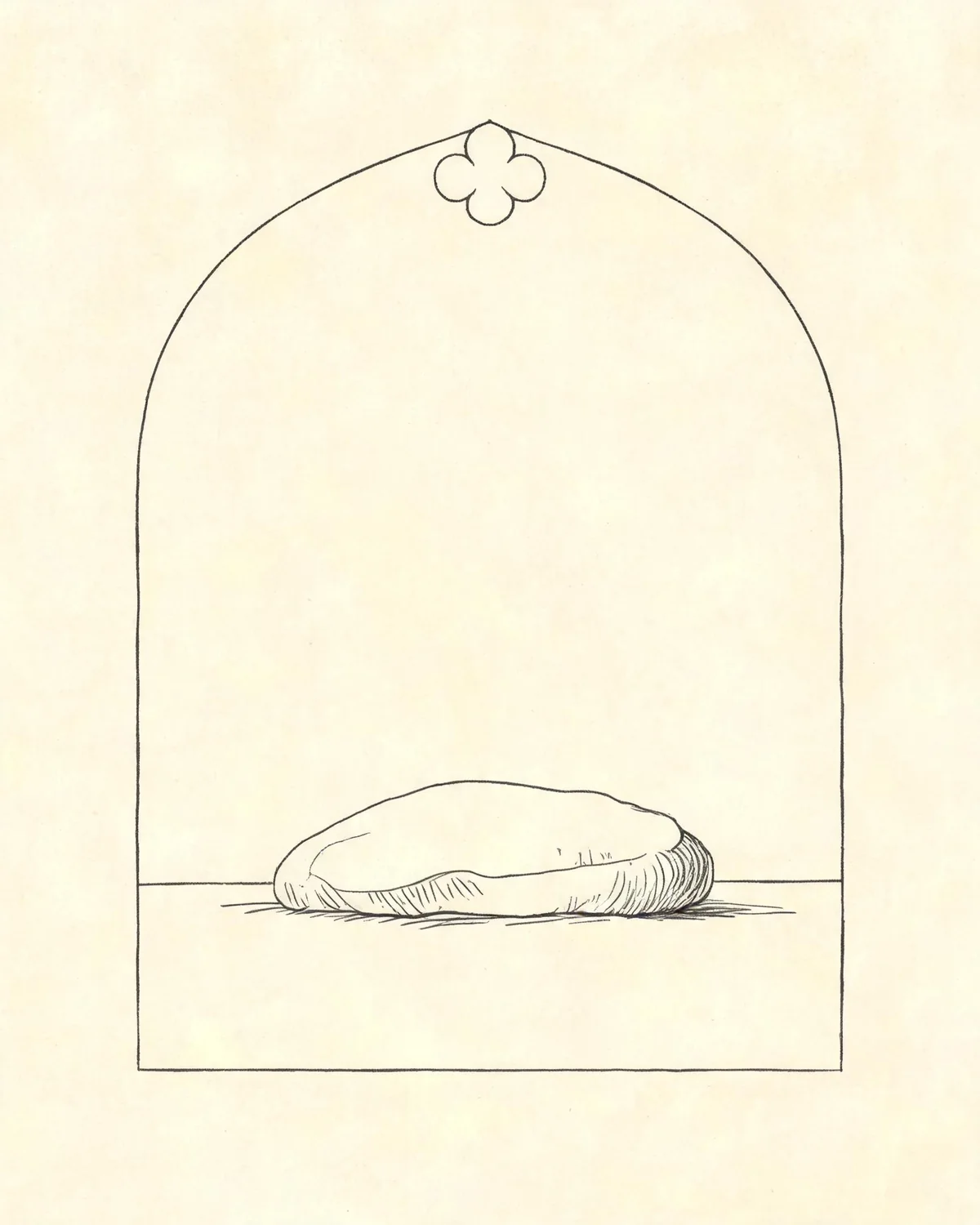
Lying down with a stone for a pillow recalls Jacob's night in the open after fleeing his brother. The hardness is not the point; the dream that followed is. A stone pillow in your dream may picture a lonely or uncomfortable season that could also become a meeting place, and it invites you to watch for what is being shown to you there.
A Cushion in a Storm-Tossed Boat
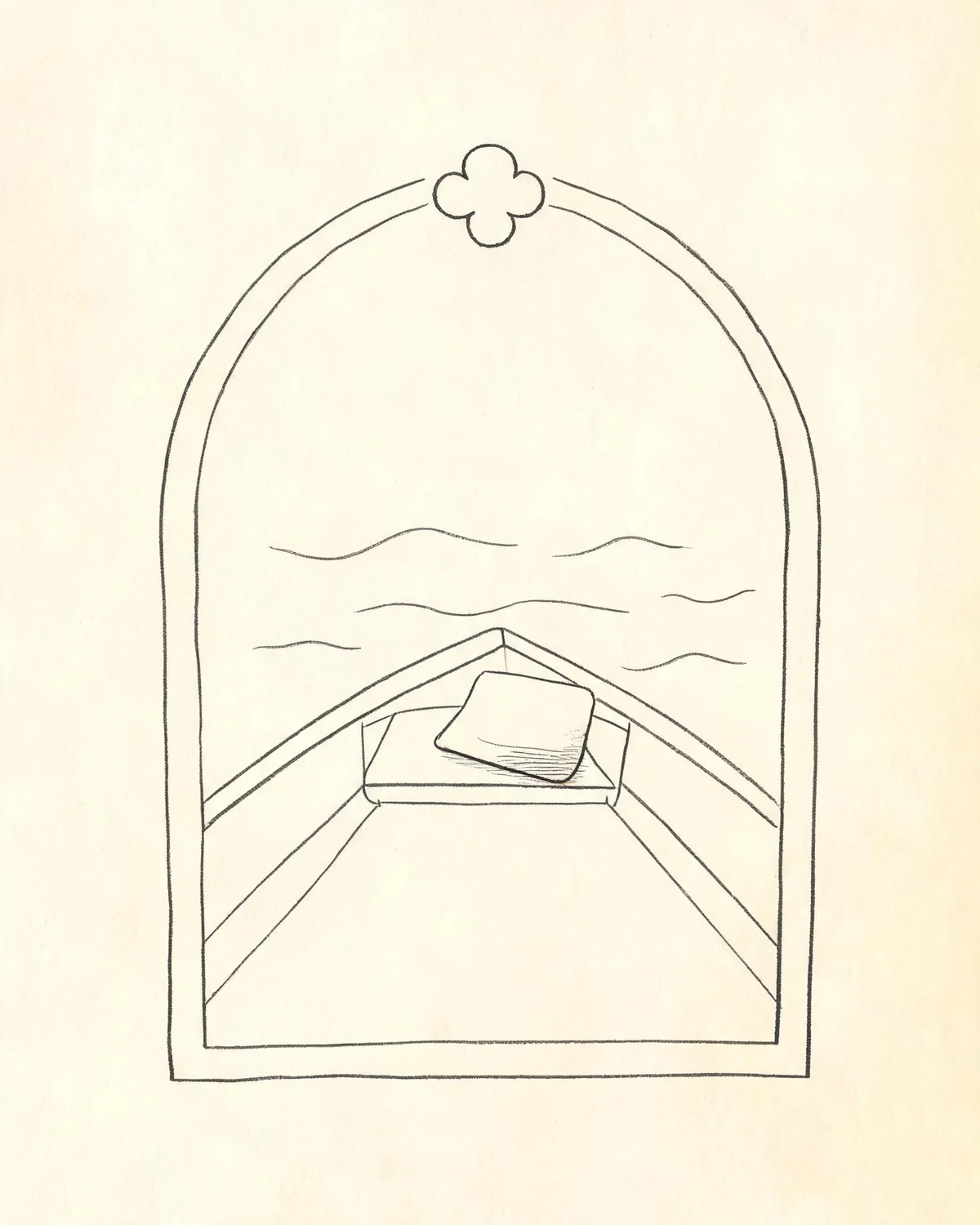
A pillow at the back of a boat, with waves breaking over the side, echoes the gospel detail that Jesus slept on a cushion while his companions feared for their lives. The cushion makes the calm deliberate. If your dream shows you resting this way, it may picture a trust that holds steady while people around you panic.
A Pillow Disguised as a Sleeper
Pillows or bedding arranged to look like a person recall the night a wife laid a household image in bed, with goats' hair at its head, so her husband could slip away from men sent to kill him. The image joins deception with protection. It may point to a cover story you are keeping, or to someone shielding you in ways you have not noticed.
Something Taken from Beside Your Head
Waking to find that something was removed from beside your pillow recalls a king who slept with his spear at his head while his rival crept in, took the spear and the water jar, and spared him. The scene holds both exposure and mercy. It may reflect fear of being caught unguarded, or a recognition that you were spared when you might not have been.
A Pillow Wet with Tears
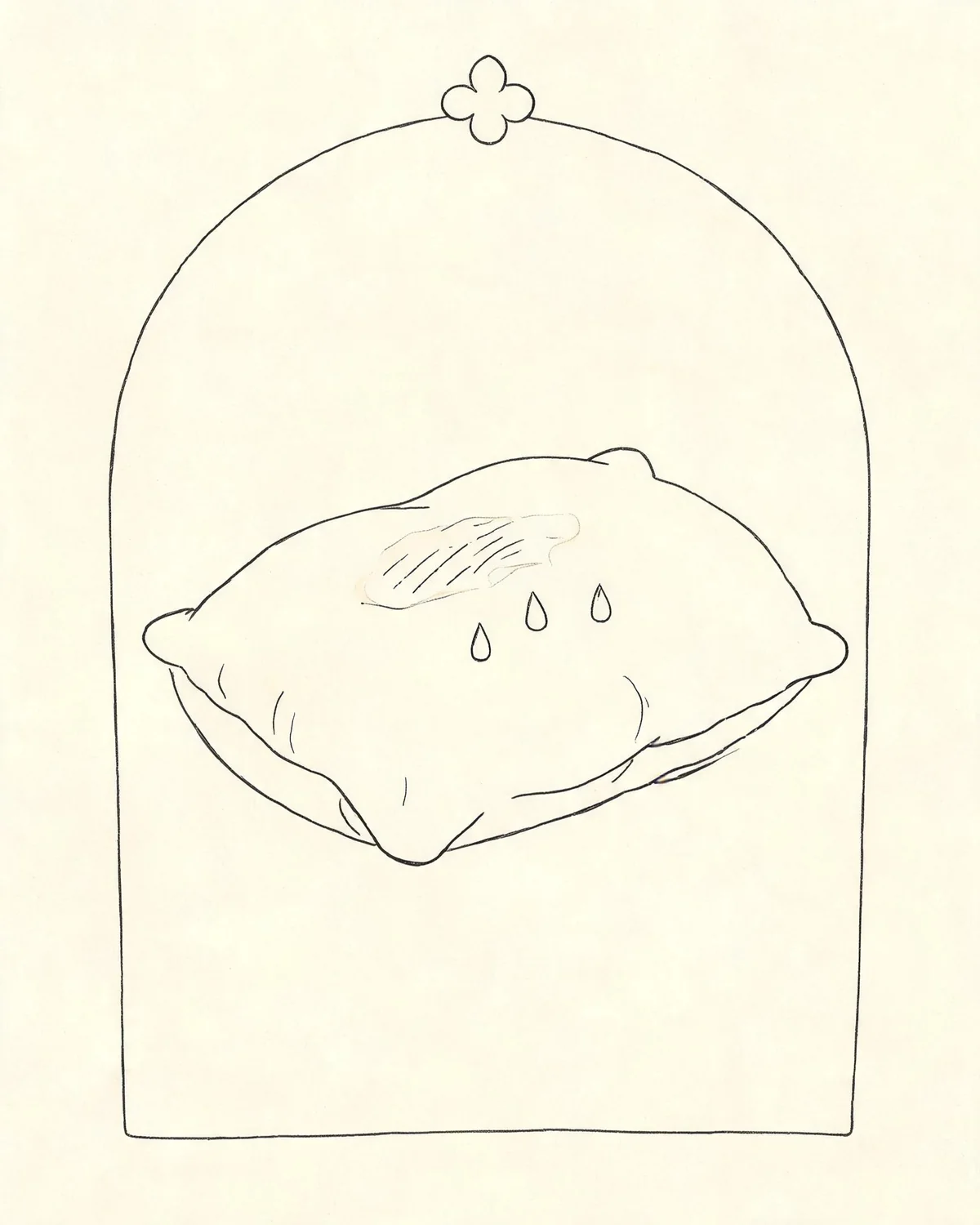
A pillow soaked through recalls the psalmist who wept all night until his bed seemed to swim. Grief, regret and long exhaustion all fit this image. In Christian reading it is not shameful, and the same psalm turns from weeping to confidence that the cry has been heard. The dream may be naming a sorrow that needs to be spoken aloud.
Sharing a Pillow with Someone
Two heads on one pillow speak of intimacy, and biblical imagery treats the marriage bed as honorable and worth keeping undefiled. Shared calmly, the pillow can picture closeness and trust; shared uneasily, it may raise questions about faithfulness or distance. The dream invites honest conversation rather than suspicion, and its feeling matters more than its details.
Having Nowhere to Lay Your Head
Searching for a pillow and finding none recalls the saying that the Son of Man had nowhere to lay his head, spoken by a teacher without a settled home. The image can picture displacement, a season of moving on, or a calling that asks you to travel light. It can also simply mirror a time when rest is genuinely hard to find.
Common Symbols Paired with Pillow
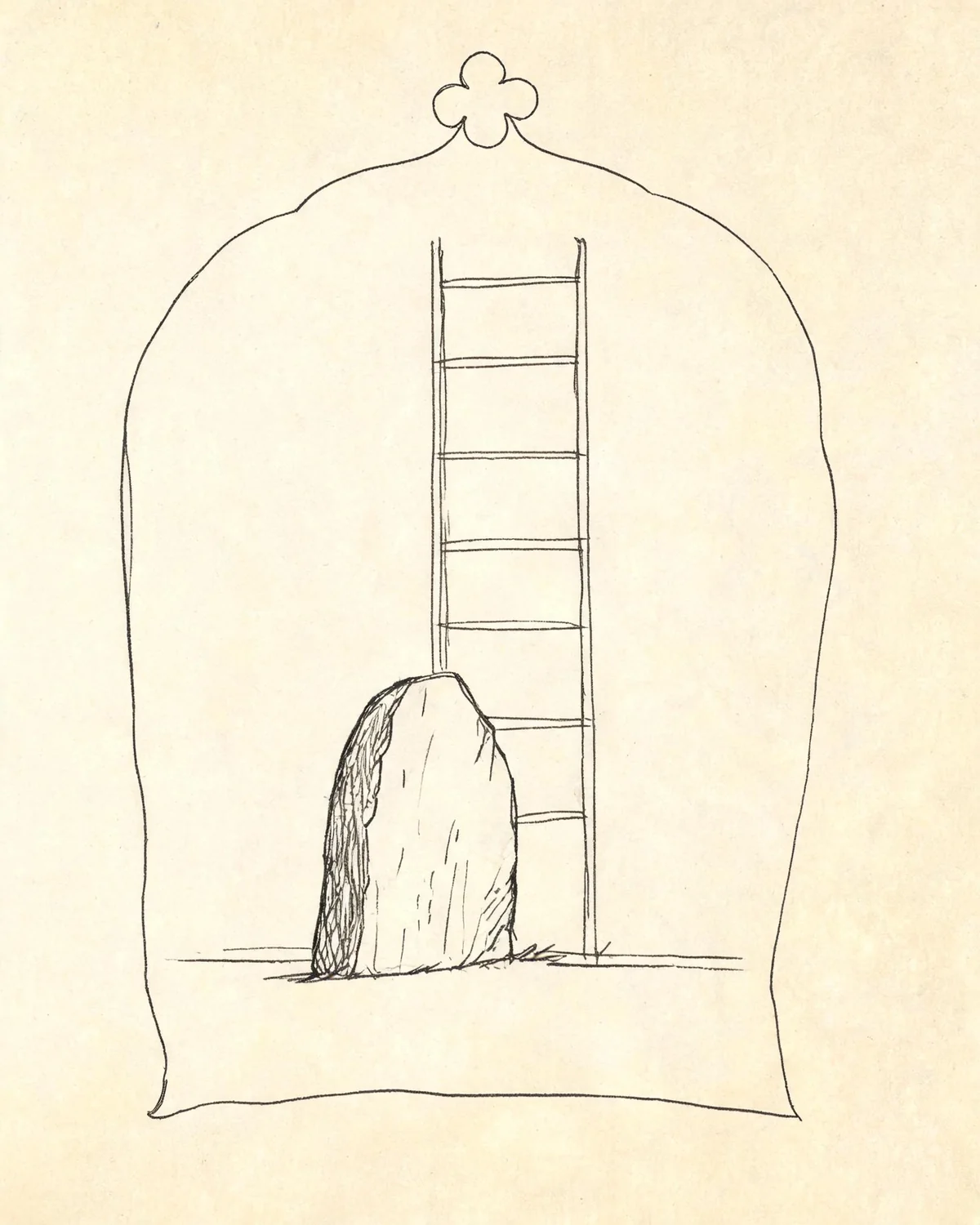
A ladder is the pillow's most famous companion. In the stone-pillow story, sleep on a hard bed opens onto a stairway with messengers going up and down. When a pillow and a ladder appear together in your dream, the reading leans toward connection: the ordinary place where you rest touching something higher than daily concerns.
Oil completes that story. In the morning the stone was anointed and given a new name. A pillow seen with oil, or a pillow you bless or set apart, suggests marking a moment so that you do not forget it, turning a hard night into a remembered place.
The stone pillow became a pillar when it was stood upright as a witness to the encounter. A pillow that turns into, or is placed beside, a standing stone in your dream suggests that a private experience is asking to become a public commitment.
A bed frames the pillow and lends it moods. Biblical beds hold rest and sloth, sickness and secret thoughts, so a pillow on a well-made bed reads differently from one on a bare frame or a sickbed. The bed tells you what kind of night the pillow belongs to, and whose house it is in.
How This Tradition Differs from Others
Christian reading of a pillow is built from a handful of vivid stories rather than a catalogue. Some dream traditions read a pillow mainly as the people a person depends on, such as a spouse, a servant or a friend, and grade the meaning by social rank. Christian interpreters usually ask which biblical night your dream resembles and let that story suggest the questions, so the same pillow can lead to very different conversations.
Modern traditional dream interpreters often treat a pillow as comfort, sometimes as a comfort that keeps you from facing what you are avoiding. Christian reading shares that suspicion of easy comfort but adds its opposite: a hard pillow can be the very place where help arrives, and a precarious one can hold a deep and steady calm.
There is also a distinctive moral thread. The prophets' criticism of comfortable deceit means a soft pillow is never automatically good, while the stone and the storm-boat mean a hard or unsteady one is never automatically bad. The pillow is weighed by what it does to the person lying on it. Other traditions weigh these images on their own terms, and their readings stand alongside this one rather than beneath it.
Can a Pillow Represent False Comfort in a Christian Dream?
It can, and biblical imagery offers a pointed example. A prophet condemned women who sewed pillows, as the old English translation has it, onto the arms of those who came to them, using these charms and veils to ensnare people with soothing falsehoods. Many modern translations render the objects as magic bands, but the picture of a pillow used to trap rather than to rest has stayed with Christian readers.
Another prophet warned a complacent people that their bed would turn out too short to stretch out on and the blanket too narrow to wrap around them: a security that looked adequate until it was tested. Others condemned those who lounged on ivory couches while ignoring the needs around them.
In a dream, false comfort often appears as a pillow someone presses on you, a cushion that feels lovely but leaves you more restless, or a soft bed in a place you know you should not be. The question is what the comfort is keeping you from hearing.
What Does a Dirty or Stained Pillow Mean in a Biblical Dream?
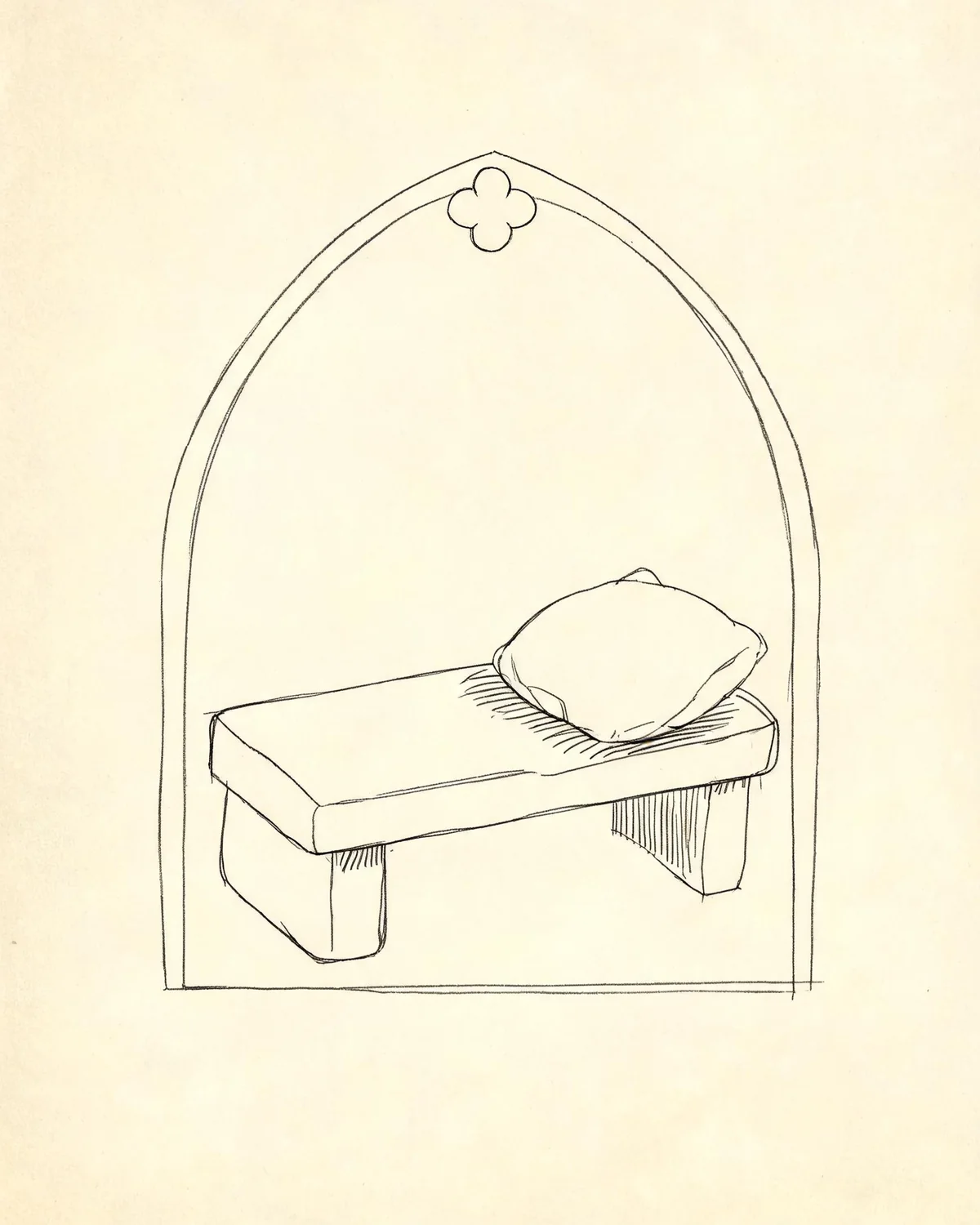
A soiled pillow brings in biblical language of purity. The bed is one of the places scripture links with clean or unclean living, and the marriage bed in particular is to be kept undefiled. A stained pillow in a dream can therefore surface a sense that something in your private life feels compromised, even if you have not yet put it into words.
It does not have to be moral. A grimy pillow can simply reflect neglected rest: too many late nights, a room you no longer care for, a season with no time to look after yourself. Christian reading would not leap to guilt when exhaustion explains the image better.
Where the dream does touch guilt, the biblical answer is washing rather than shame. A penitent psalm asks to be washed until whiter than snow, and many Christians find that confession, prayer and making amends do in waking life what clean linen does in the dream. If you wereh or change the pillow in the dream, the reading leans toward renewal already under way.
What This Dream Is Not
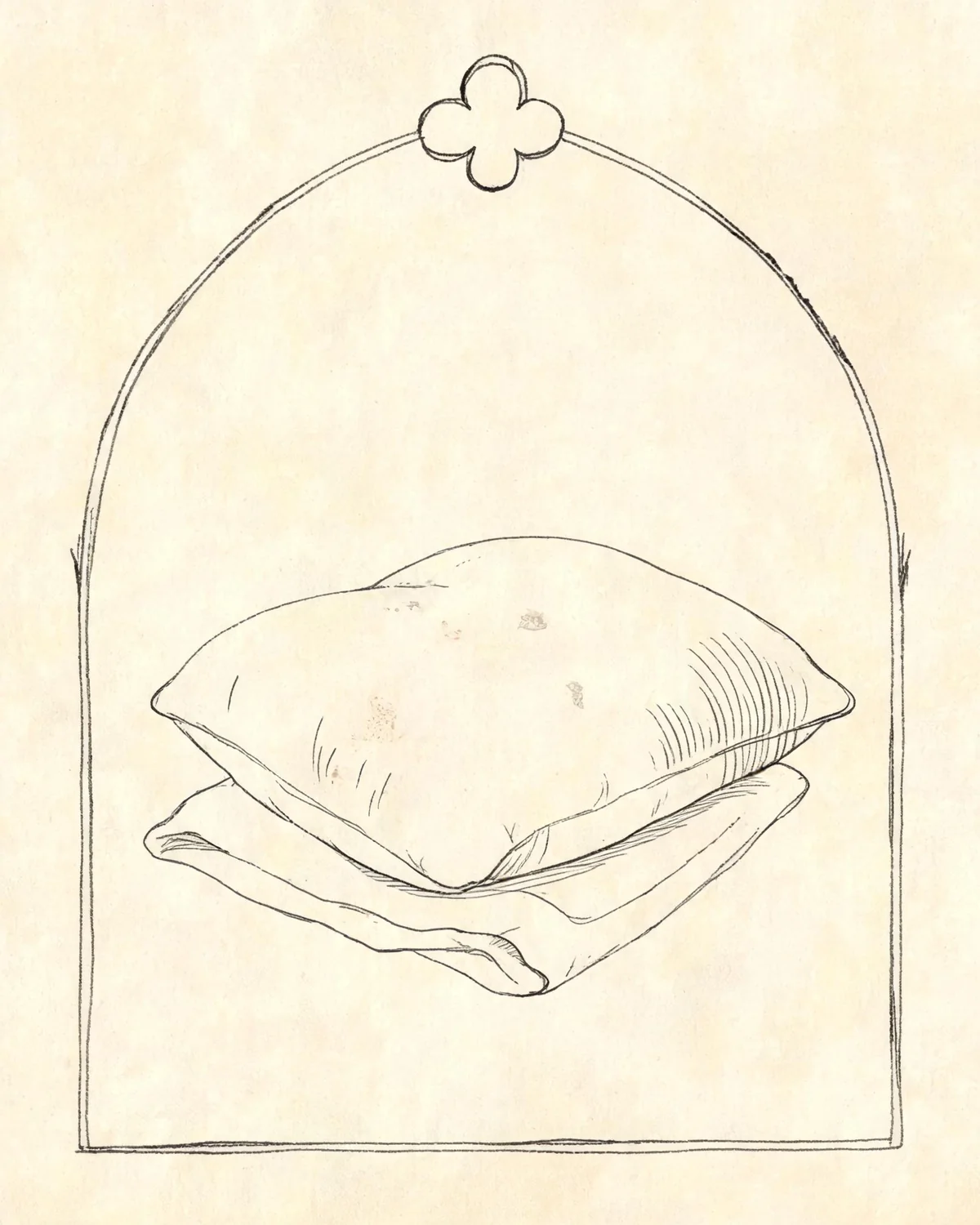
A pillow dream does not reveal hidden facts about the people around you: a decoy in the bed is not evidence of deceit at home, and a shared pillow says nothing certain about anyone's faithfulness. It does not tell you what will follow a hard night, however much the stone-pillow story invites hope. And it is not a verdict on your spiritual state when the pillow is stained.
Nor does a pillow dream say anything about your health, even when it shows you unable to rest. A dream is not a diagnosis. If you have real symptoms, speak with a qualified professional.
What the dream can do is sharpen a question about what you are resting on, and whether that rest leads you toward trust or away from it. Answering it belongs to prayer, honest conversation and time.
FAQ
What is the biblical meaning of a pillow in a dream?
Biblically, a pillow is mainly about where and how you lay your head: in trust, in hardship or in false security. The surrounding scene shows which, from a stone under a traveller's head to a cushion in a storm.
Is a pillow a good sign in a Christian dream?
Often, since restful sleep is pictured as a gift to those who trust God. A soft pillow is not automatically good, though, and a hard one is not automatically bad; what the rest leads you toward matters more.
Does dreaming of a pillow mean I am spiritually asleep?
Some Christian writers read pillows that way, especially in dreams about oversleeping or lounging. One dream is too little to judge your spiritual life, so ask instead whether a particular comfort has started to dull your attention.
What does a white pillow mean in a Christian dream?
White carries associations of festivity and honor in biblical imagery, and of heavenly brightness in visions. A clean white pillow usually leans toward peace and a clear conscience, or toward a celebration of rest after long effort.
What does a pillowcase mean in a dream?
A pillowcase is the covering you actually touch, so it often stands for how your rest is protected and presented. A fresh case suggests care and readiness, while a torn or missing one can suggest privacy that feels exposed.
What does buying a new pillow mean in a Christian dream?
It usually points to seeking better rest or new support. Christian reading adds one question: is the new comfort something that helps you serve and love well, or something that helps you look away?
What does a feather pillow mean in a dream?
Feathers bring in the psalm image of God covering the faithful with his feathers and sheltering them under his wings. A soft feather pillow can therefore suggest protection and closeness, especially in a season when you feel exposed.
What does an empty pillow beside you mean in a dream?
An empty pillow where someone once lay often reflects missing them, whether through distance, conflict or loss. Christian reading treats that ache gently, as an invitation to grieve honestly, to pray, and to reach toward the people still beside you.
How to Use These Readings Today
Start with the pillow itself. Was it soft, hard, wet, shared, missing or tampered with? Write the one word that best describes it, then the feeling you had lying on it. Those two notes usually point you to the right biblical story without any further searching.
Next, ask what you are resting on in waking life: a relationship, a habit, a reassurance, a plan. Compare it honestly with the pillow in the dream. If the comfort feels false, name what it is helping you avoid; if the pillow was hard, consider whether this difficult season is also showing you something.
Finally, mark the dream the way the stone-pillow story does, with a small and deliberate act in daylight. Say a prayer of thanks, keep a promise you have been delaying, or change something simple about where and how you sleep tonight. Small acts like these keep the dream from fading into a vague mood.